RiBiFlex: electric vehicles and home infrastructure become resources for energy flexibility
Il Dipartimento di Energia del Politecnico di Milano è partner del progetto RiBiFlex, che studia l’integrazione tra ricarica bidirezionale dei veicoli elettrici, sistemi di accumulo ed Energy Management Systems per mettere la flessibilità delle utenze private al servizio del sistema elettrico. Il campus di Città Studi sarà uno dei siti pilota del progetto.
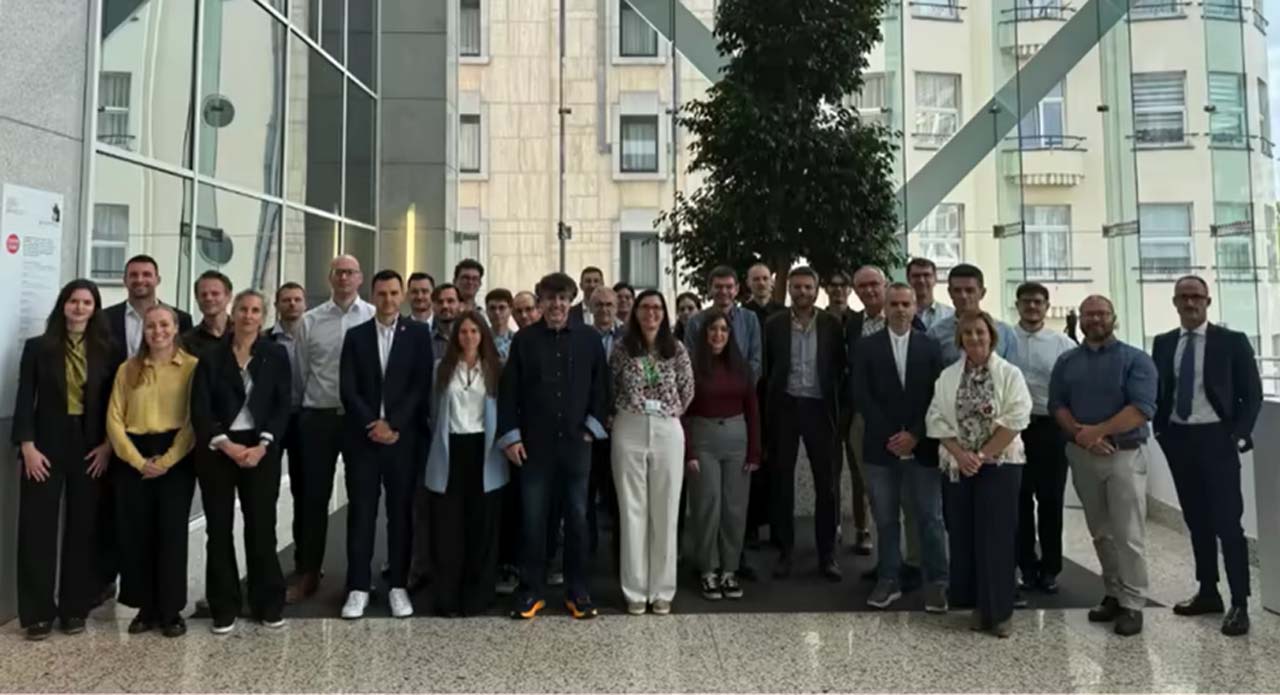
On 25 and 26 June 2026, during Recanati SmartLand, RiBiFlex – Bidirectional Charging as a Flexibility Resource was presented to the public for the first time. The project brings together the Department of Energy at Politecnico di Milano, Daze, Maps Group and MAC.
RiBiFlex aims to demonstrate how the integration of Vehicle-to-Home (V2H) and Vehicle-to-Grid (V2G) systems, residential stationary batteries and advanced Energy Management Systems (EMS) can transform private energy infrastructure and resources into a reliable, scalable and potentially profitable source of flexibility for the electricity system.
From Electric Vehicle to Grid Resource
RiBiFlex was developed within this context: its goal is to move beyond the idea of the electric vehicle as merely a load on the grid and explore its potential as an active energy resource. The vehicle’s battery is not only an energy consumer: it can also supply energy to the home or, when necessary, contribute to the services required by the electricity grid.
“Previous studies conducted* by our research group have demonstrated the potential benefits of vehicle-grid integration. Increasing the use of locally generated renewable energy, reducing stress on the electricity grid and contributing to the optimal dispatch of the national electricity system are all sides of the same die—we just need to learn how to play it well.”
Filippo Bovera
The Contribution of the Department of Energy
Within RiBiFlex, the Department of Energy contributes its expertise in energy system modelling and forecasting, optimisation, and the study of flexibility markets and services.
The research focuses particularly on understanding how electric vehicles and other distributed energy resources can interact with an increasingly dynamic electricity system, while transforming the data collected during the trials into models capable of supporting more efficient management strategies and decision-making.
The Department’s contribution builds on the expertise developed through national and European research activities and collaborations with companies and institutions addressing the evolution of the electricity system and flexibility.
The project will also include real-world testing: Politecnico di Milano’s Città Studi campus will serve as one of RiBiFlex’s physical pilot sites, allowing the solutions developed within the project to be tested in a real-world environment.
“The Città Studi experimental grid (PoliGrid) will host the prototypes developed within the project. Starting in 2027, users at Politecnico di Milano will be able to provide information that supports the optimal scheduling of electric vehicle charging and receive a discounted rate in return. The objective is twofold: to validate our modelling pipeline in the field and assess the appeal of an approach that empowers end users, bringing the needs of the electricity grid closer to those of consumers.”
Filippo Bovera
The First Demonstration at Recanati SmartLand
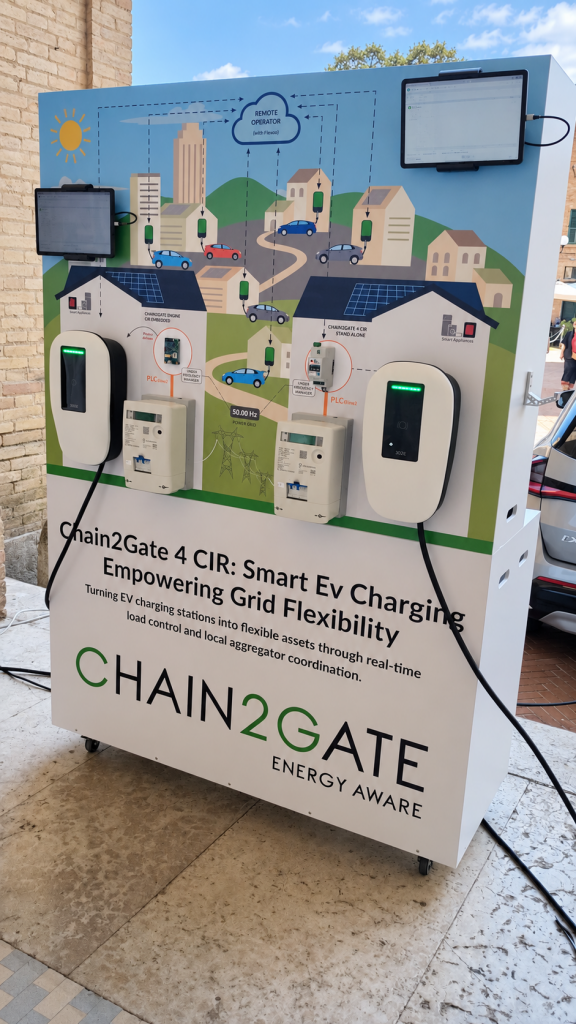
The public presentation of RiBiFlex at Recanati SmartLand also provided the first opportunity to demonstrate how the technologies to be integrated into the project will work in practice.
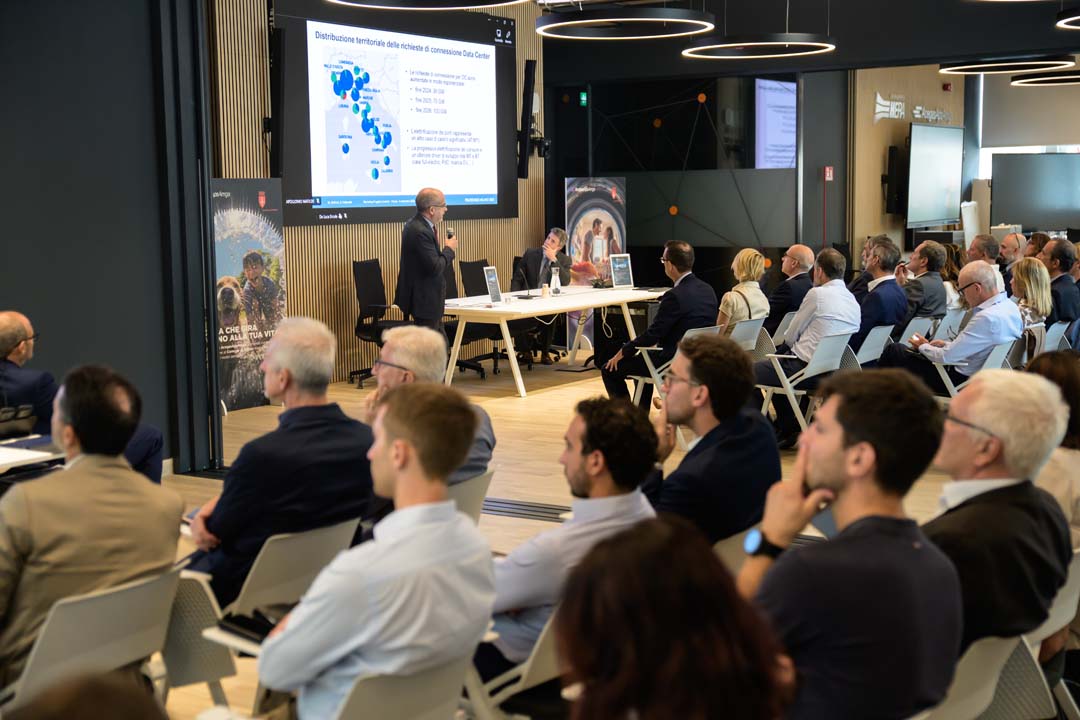
Following a round-table discussion on RiBiFlex’s objectives and future prospects, attended by the project partners and representatives of the Italian Ministry of the Environment and Energy Security (MASE), which supports the project through Mission Innovation, a live demonstration was held.
Leonardo Cavalieri (MAC), Vieri Emiliani (Maps Group), Federico Mazzoleni and Andrea Giambone (Daze), together with Filippo Bovera from the Department of Energy, presented an initial simulation of the system. It integrated two Daze charging stations connected to real vehicles, MAC’s CIR connected to a second-generation smart meter via Chain2, and the Maps Brainwatt platform.
The demonstration provided an initial real-world example of coordinated load balancing in response to a simulated request from the grid, previewing the principle behind RiBiFlex: coordinating electric vehicles, energy storage systems and consumption so that they can become active resources in managing the energy system.
On 18 September, as part of Mobility Week, Filippo Bovera will provide an initial overview of how the new wallboxes will be managed. Their installation is scheduled for completion by the end of 2026. The event will take place at 9:00 a.m. in the Aula Magna at Politecnico di Milano, Piazza Leonardo da Vinci 32.