The Department of Energy at EURAD-2: Research and Next-Generation Expertise in Radioactive Waste Management
Researchers and PhD students from RadChemLab contributed to the 2026 Annual Event in Dublin through scientific presentations, project coordination and Young Generation activities.
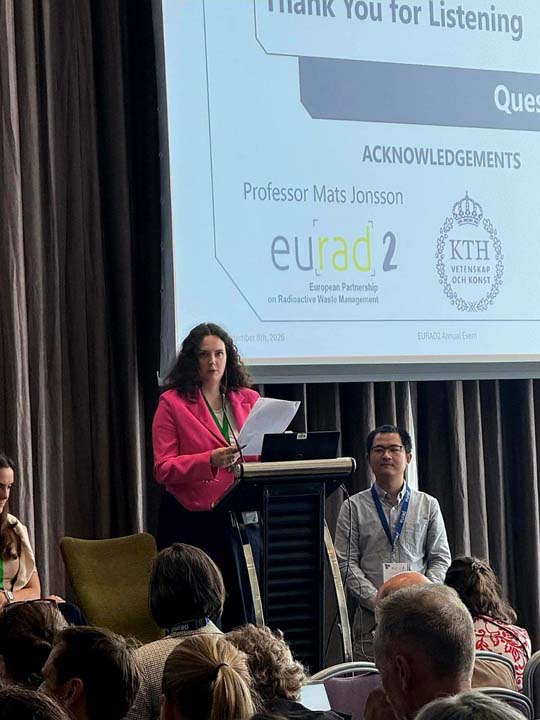
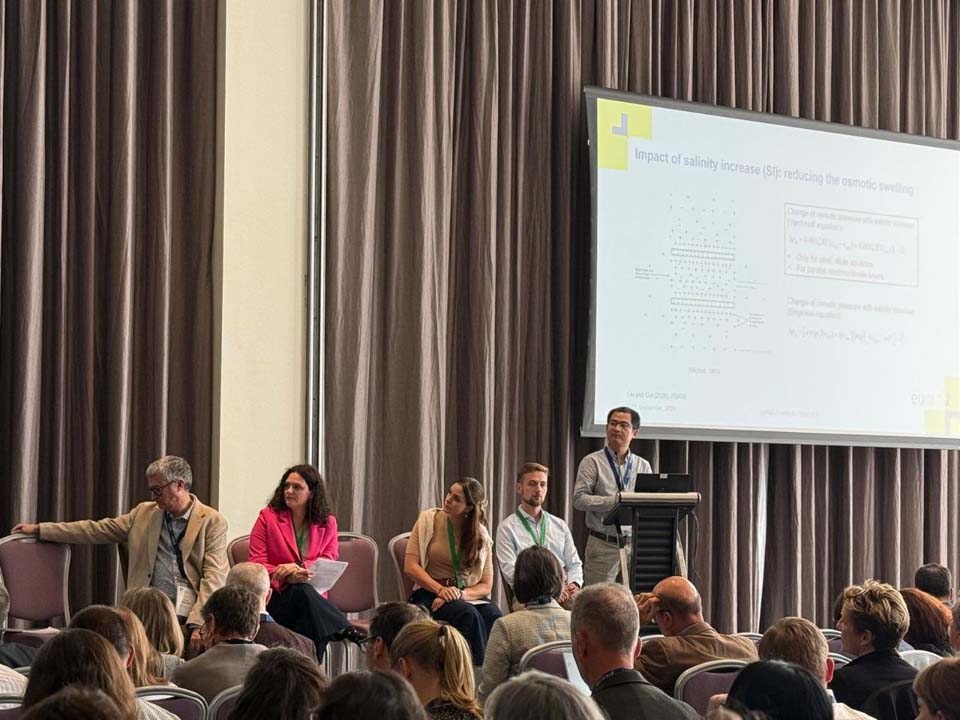
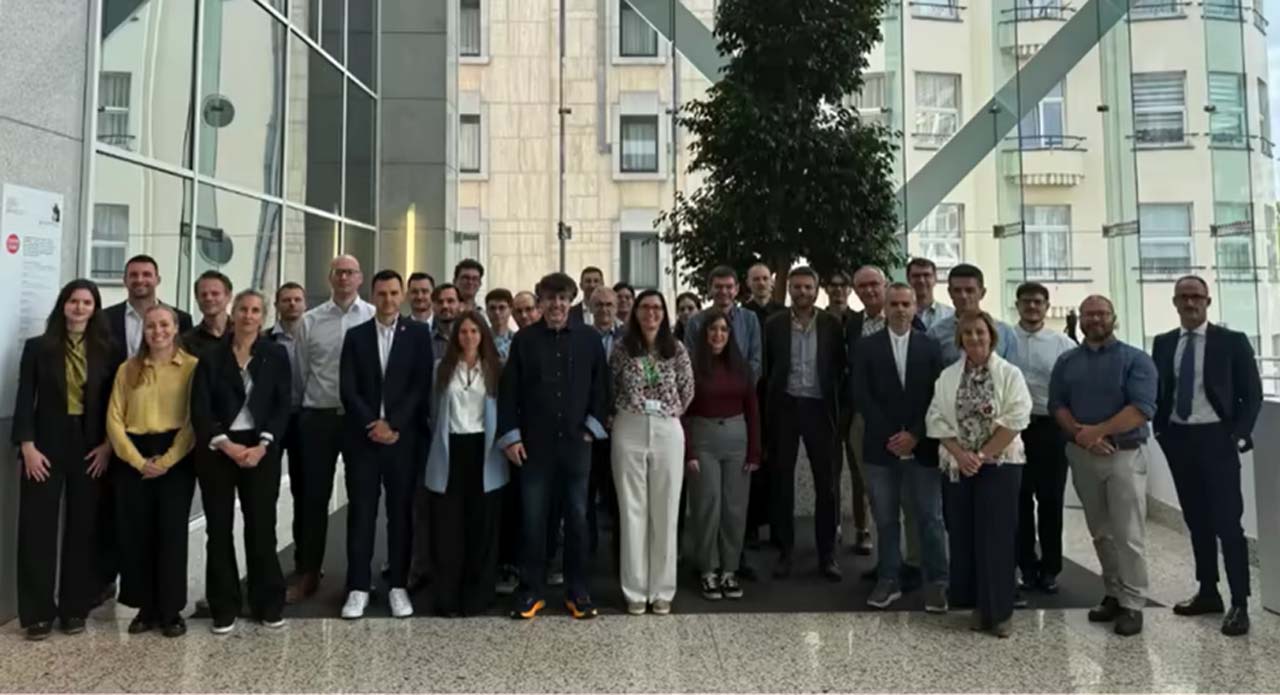
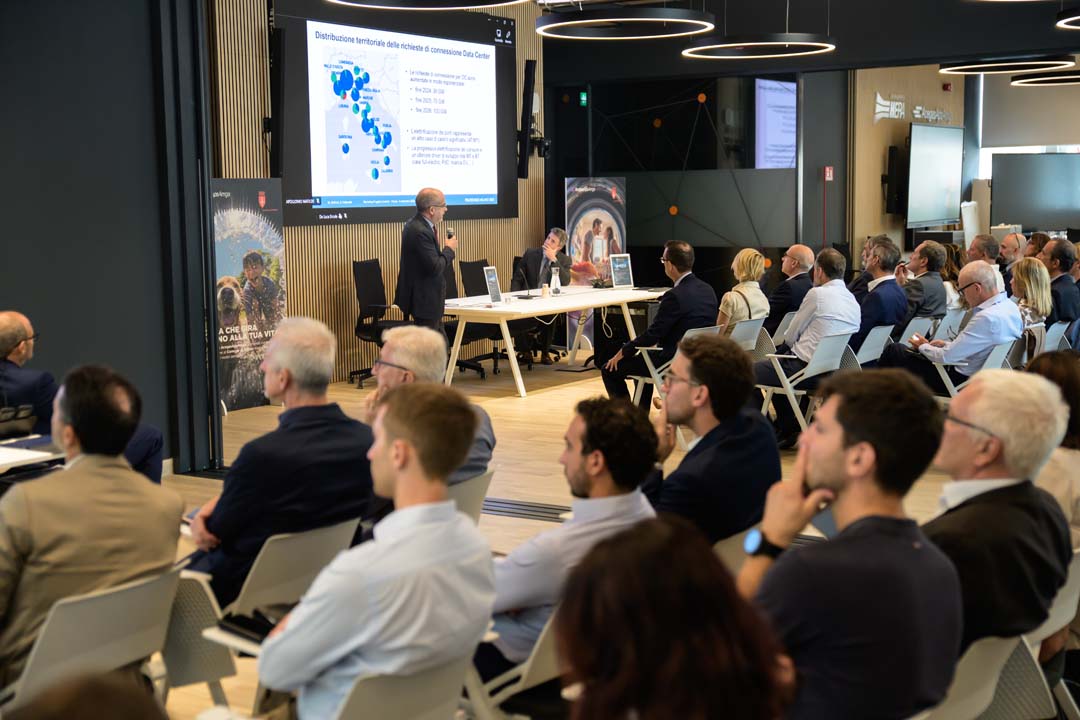
Researchers and PhD students from the Department of Energy at Politecnico di Milano took part in the 2026 EURAD-2 Annual Event, held in Dublin from 8 to 10 September. Their participation covered scientific research, project coordination, strategic discussions and activities dedicated to the next generation of radioactive waste management experts.
EURAD-2, the European Partnership on Radioactive Waste Management, is a five-year programme co-funded by the European Union under Euratom. It brings together more than 100 organisations to advance research, knowledge management and cooperation across the different stages of radioactive waste management.
Politecnico di Milano contributes to the partnership through the Radiochemistry and Radiation Chemistry Laboratory, RadChemLab, which is involved in several EURAD-2 Work Packages and strategic studies.
Giving the Young Generation a Role in EURAD-2
A central contribution came from Simona Šandalová, PhD student at the Department of Energy and Chair of the EURAD-2 Young Generation initiative.
Together with Co-chair Hanna Rostova of the National Science Center “Kharkiv Institute of Physics and Technology” in Ukraine and an international organising team, Šandalová has worked to develop the initiative as a network in which early-career researchers and professionals can exchange knowledge, discuss common challenges and contribute to the activities of the European partnership.
In Dublin, the Young Generation organised its first in-person Youth Day, focusing on career development, knowledge transfer and the support offered by EURAD-2 to young professionals.
Šandalová also co-chaired a Spotlight on Cutting-Edge Science session and moderated the panel EURAD-2 through its governance bodies: Next-generation perspectives. The outcomes of these activities contributed to a collective Young Generation Message, presented to the wider EURAD-2 community by Šandalová and Rostova.
The involvement of early-career professionals is particularly important in radioactive waste management, a field in which projects, responsibilities and specialist knowledge must be maintained over several decades. Developing expertise and ensuring effective knowledge transfer between generations are therefore essential to its long-term sustainability.
Research and Project Coordination from RadChemLab
The Department’s contribution to the Annual Event also included scientific presentations and technical discussions involving other members of RadChemLab.
PhD student Fabio Fattori presented his research on the treatment of spent ion-exchange resins using the Fenton process and their subsequent conditioning in geopolymers. The work is being conducted within STREAM, the EURAD-2 Work Package dedicated to the treatment and conditioning of challenging radioactive waste streams. He also served as rapporteur for the session bringing together the ICARUS, STREAM and L’OPERA Work Packages on predisposal management.
Eros Mossini, researcher at the Department of Energy and leader of the ICARUS Work Package, co-led the session devoted to predisposal activities. The discussion involved representatives of industry, facility operators, waste management organisations, regulators, safety authorities, research organisations and civil society, with a focus on waste characterisation, acceptance criteria and future education and training activities.
Gabriele Magugliani contributed to the discussions on the FORSAFF and ASTRA strategic studies, addressing radioactive waste characterisation and emerging waste streams, including those associated with Small Modular Reactors.