The Department of Energy at the International Festival of Engineering 2026
Public lectures, open laboratories and children’s activities introduced visitors to energy, nuclear technology, mobility, acoustics and technologies for the ecological transition.
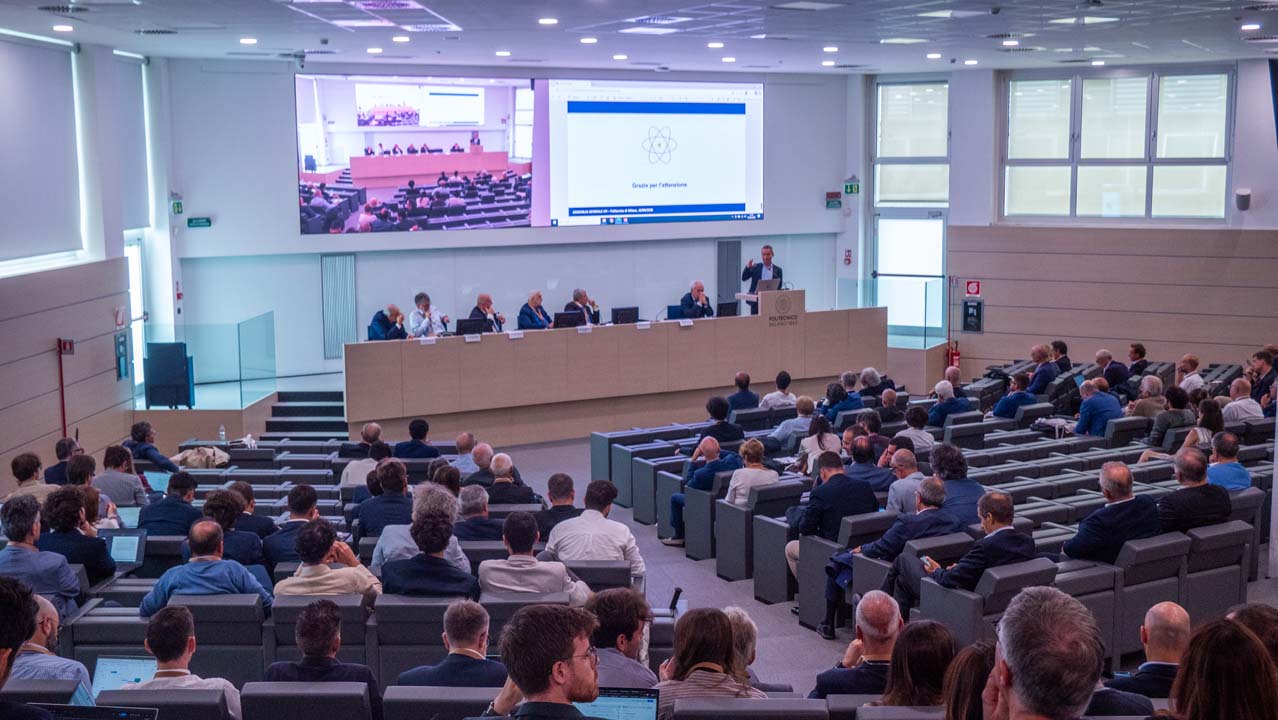
From 18 to 20 September 2026, the Leonardo and Bovisa campuses of Politecnico di Milano hosted the sixth edition of the International Festival of Engineering, dedicated to the theme “Hybridisation. The Generative Power of Connections”.
The event attracted over 15,000 attendees, including members of the public, students and families, with a programme of 196 events involving more than 150 professors, researchers and PhD students.
The Department of Energy contributed to the Festival with public lectures, laboratory tours, experimental demonstrations and activities for children. The programme was designed to introduce diverse audiences to energy topics and show how research can provide practical tools to understand and address ongoing changes.
Inside the Engine: A Journey Through Pistons, Sounds and Mechanical Magic
Professor Augusto Della Torre guided children through the workings of an engine. Using real components and live demonstrations, participants observed the movement of pistons, the opening of valves and the mechanisms that form the “heart” of cars, aircraft and ships.
The experience offered a hands-on, playful introduction to one of the inventions that has most profoundly transformed mobility and everyday life.


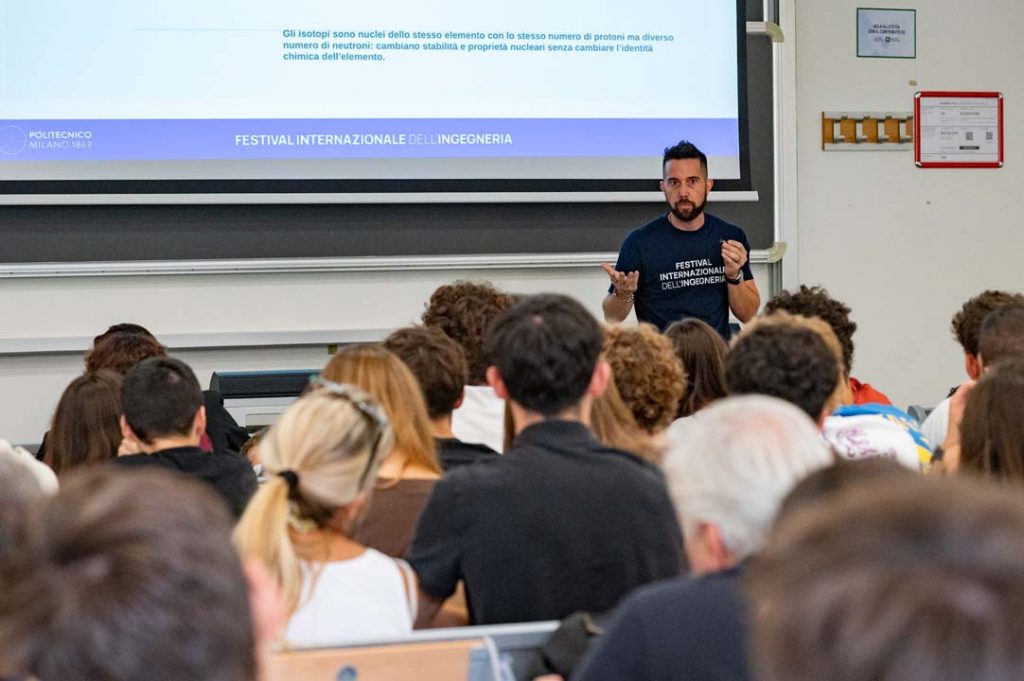
Energy, Health and Innovation: The Central Role of Nuclear Technology in Meeting Future Challenges
The session gave the audience the tools to understand a complex and frequently debated technology, highlighting its potential contribution to decarbonising energy systems, diagnosing and treating diseases, and developing new technological solutions.

Turbocharging the Transition
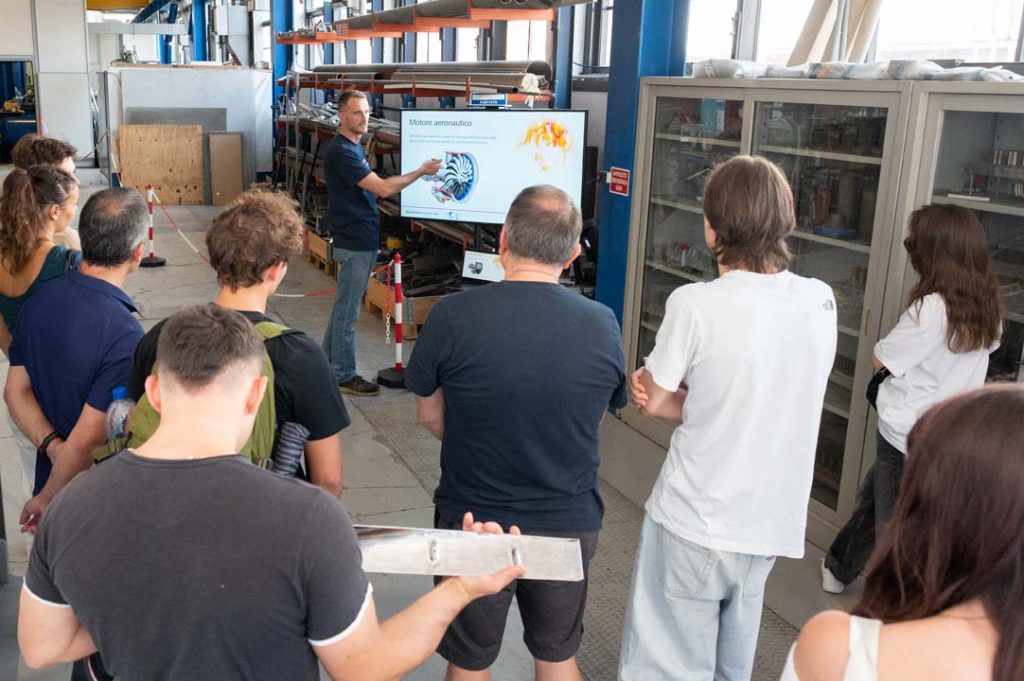
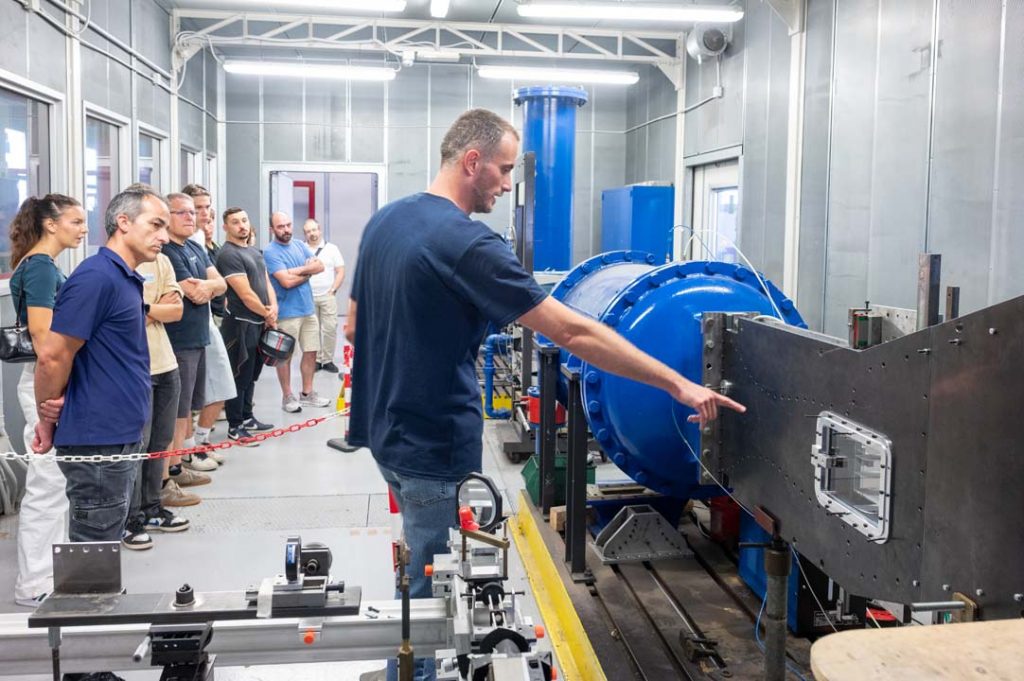
The tour focusing on turbomachinery highlighted the role of these technologies in the transition towards more flexible, distributed and efficient energy systems.
Visitors observed different types of turbomachinery undergoing experimental investigation in the laboratory and discovered how their digital twins are created. These models allow researchers to analyse their physical behaviour, improve their efficiency and develop solutions compatible with alternative fluids, such as hydrogen, carbon dioxide and ammonia, as well as offshore wind power generation.
Energy Conversion at LabX
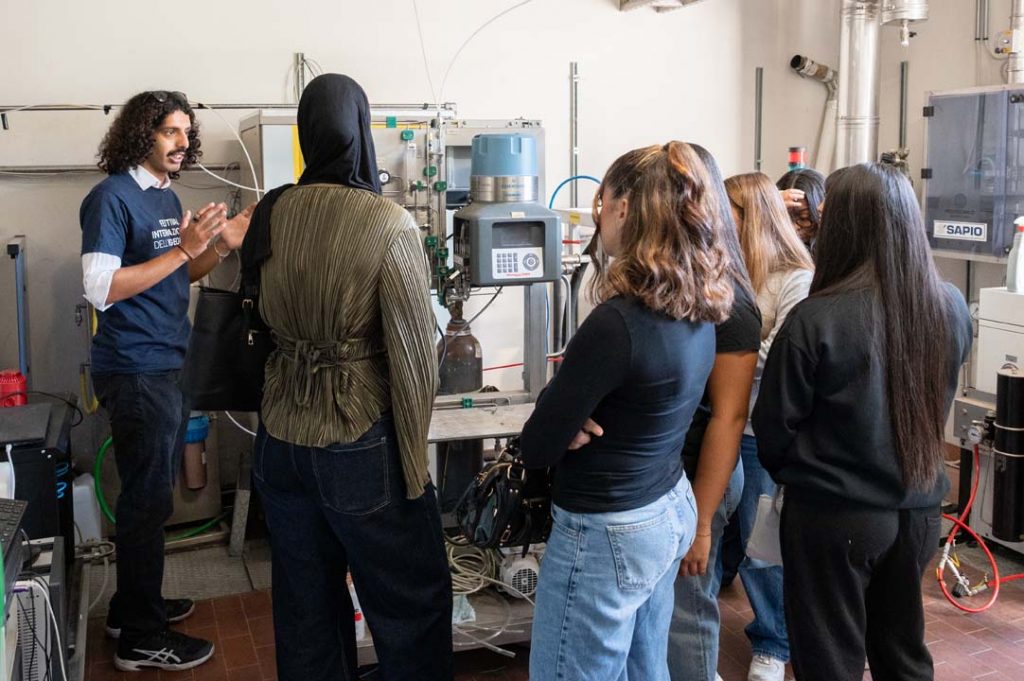
The tour of LabX took visitors inside a facility where energy conversion and storage systems are conceived, designed and optimised, including in collaboration with industry.
The tour showcased experimental test rigs dedicated to a multi-output microgrid, a hydrogen-fuelled residential boiler and hydrogen flow meters. The laboratory also supports research into electrolysers, heat pumps, absorption refrigerators, cogeneration and trigeneration systems, and technologies for natural gas and hydrogen distribution.
The Race of Sound Waves
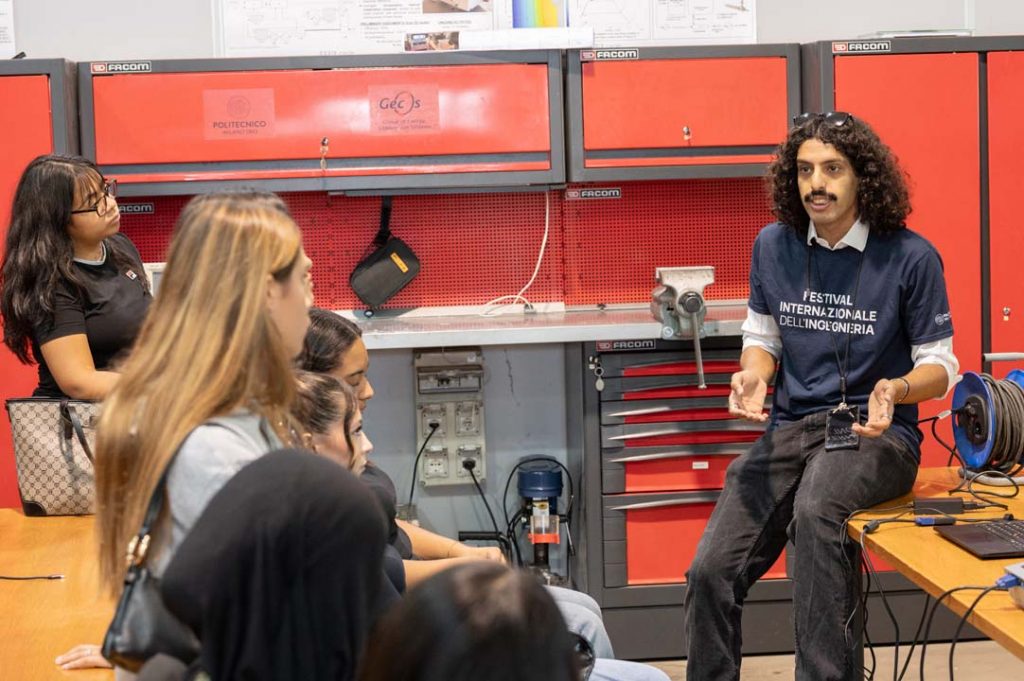
At the Acoustics Laboratory, visitors discovered research into noise and vibration reduction, acoustic comfort in vehicles and indoor and outdoor environments, and noise pollution from road and rail traffic.
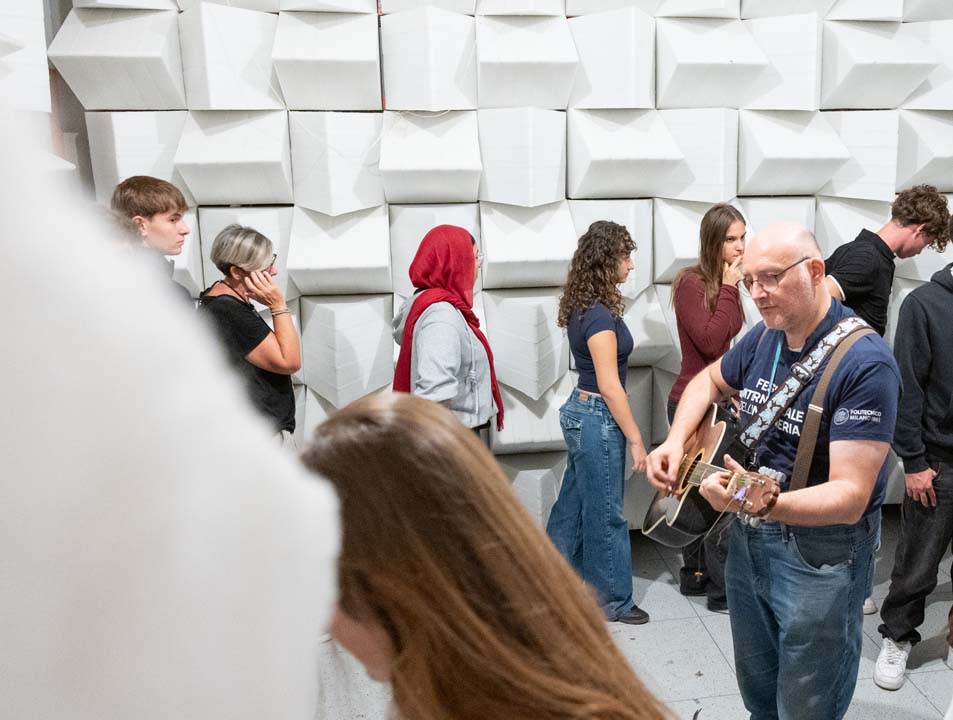
One of the highlights of the tour was entering the semi-anechoic chamber, a space lined with highly sound-absorbing materials in which sound is absorbed rather than reflected. Visitors also saw microphones, measuring instruments and the HATS binaural manikin, or Head and Torso Simulator, used to study how people perceive sound.
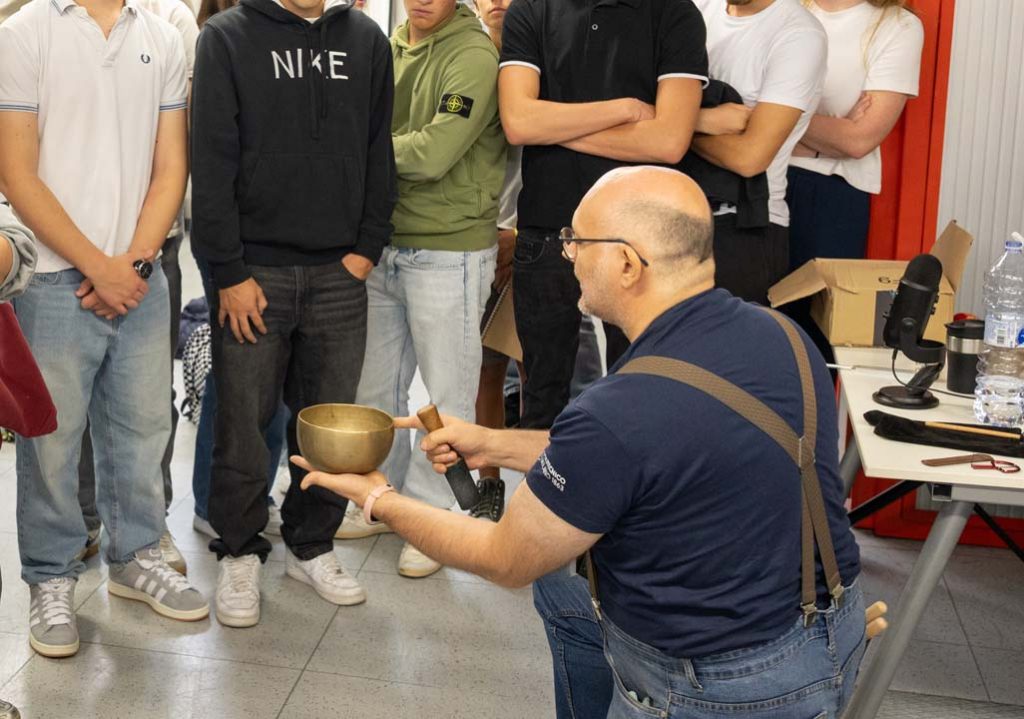
The Magical World of Sound
Through experiments involving balloons, musical instruments and heartbeats, children explored phenomena that are normally invisible and discovered how sounds are generated and travel. A visit to the semi-anechoic chamber and an encounter with the HATS manikin turned complex scientific concepts into an accessible and engaging experience.
Photovoltaics for Cities
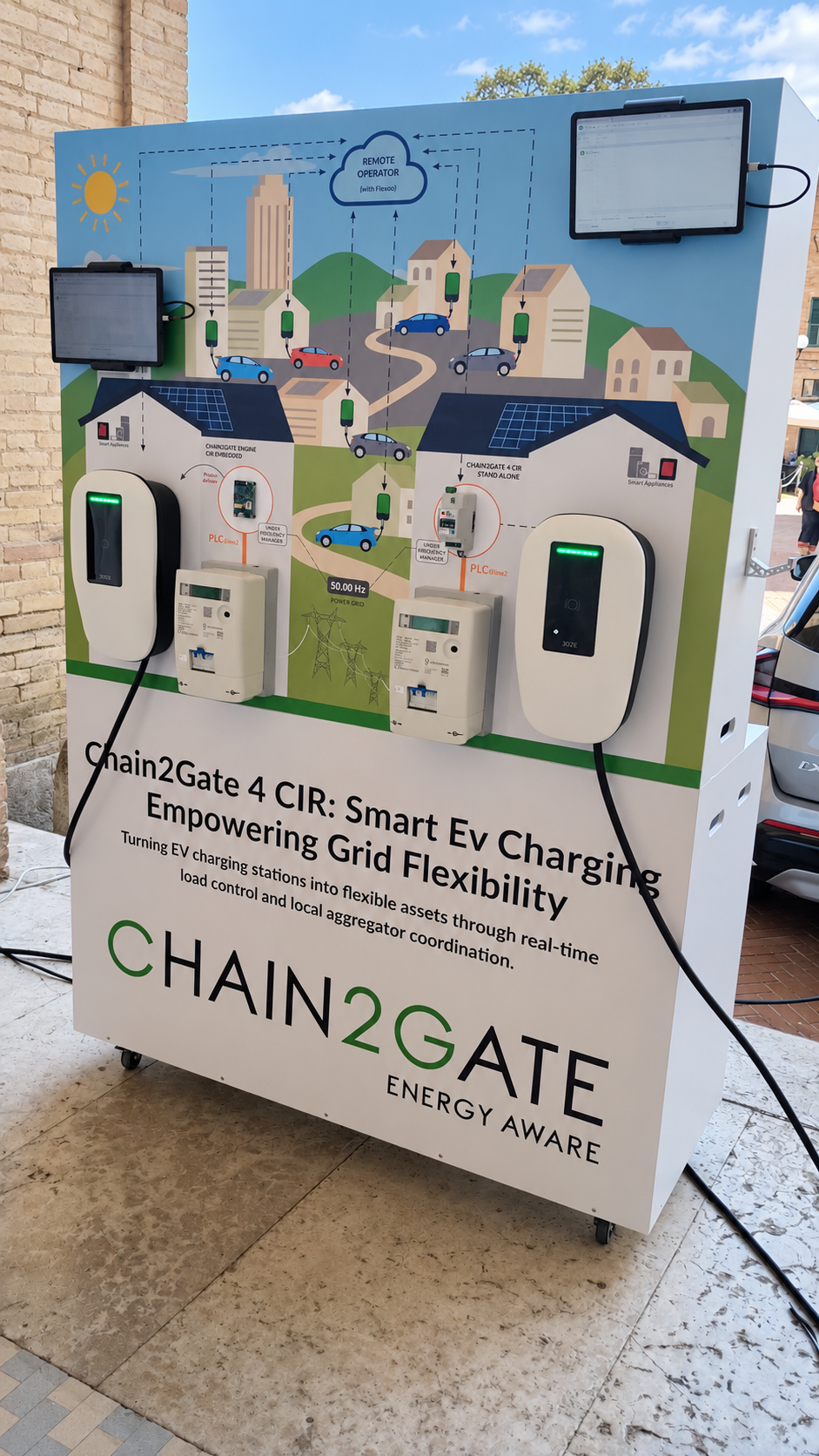
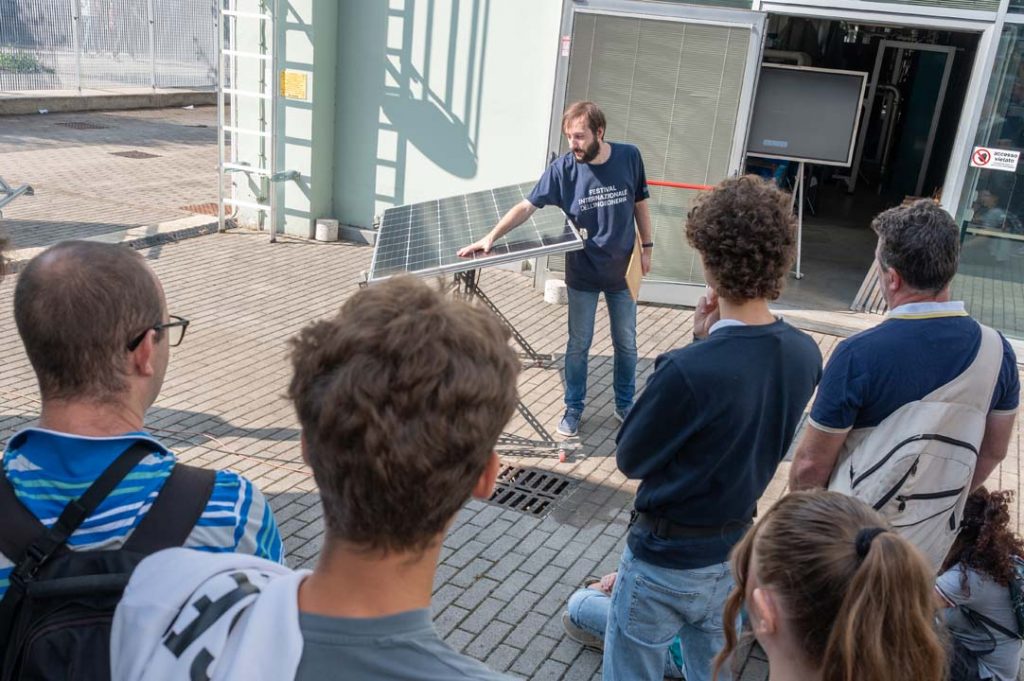
MG2Lab and SolarTechLab presented a small experimental city of the future, where electricity and heat production, cooling, drinking water supply and electric vehicle charging are integrated with renewable energy sources, high-efficiency technologies and storage systems.
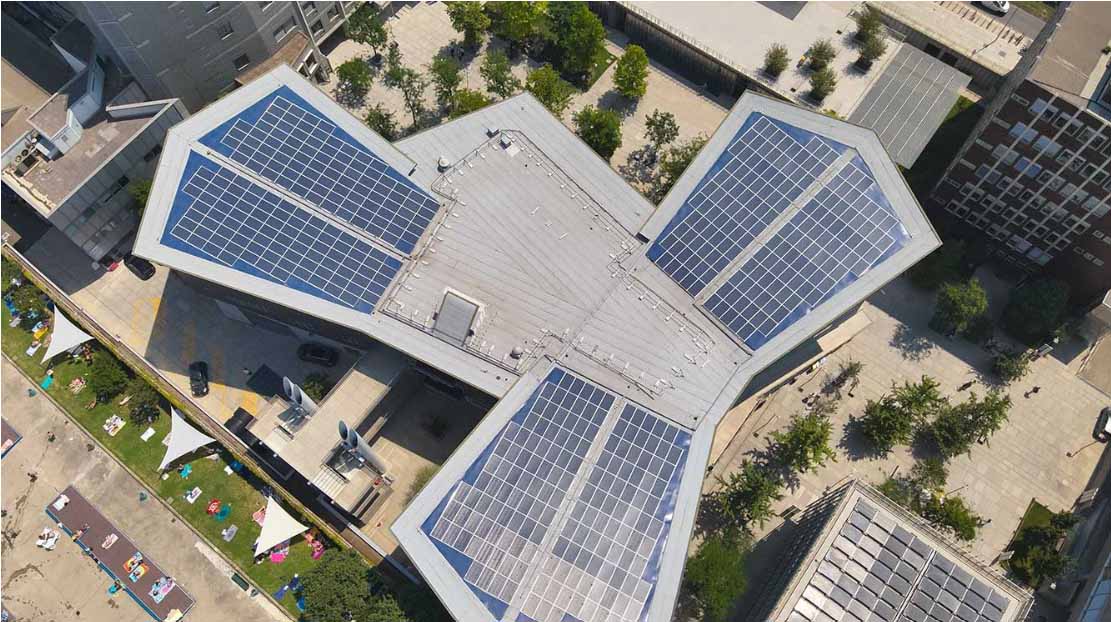
During the tour, an experiment with photovoltaic panels demonstrated how energy production changes with solar radiation intensity, shading and filters applied to the surface. Visitors gained an understanding of how photovoltaic modules work and discovered research into microgrids and management systems based on predictive algorithms and artificial intelligence.
Listening to the Invisible: Radioactivity and Nuclear Fission
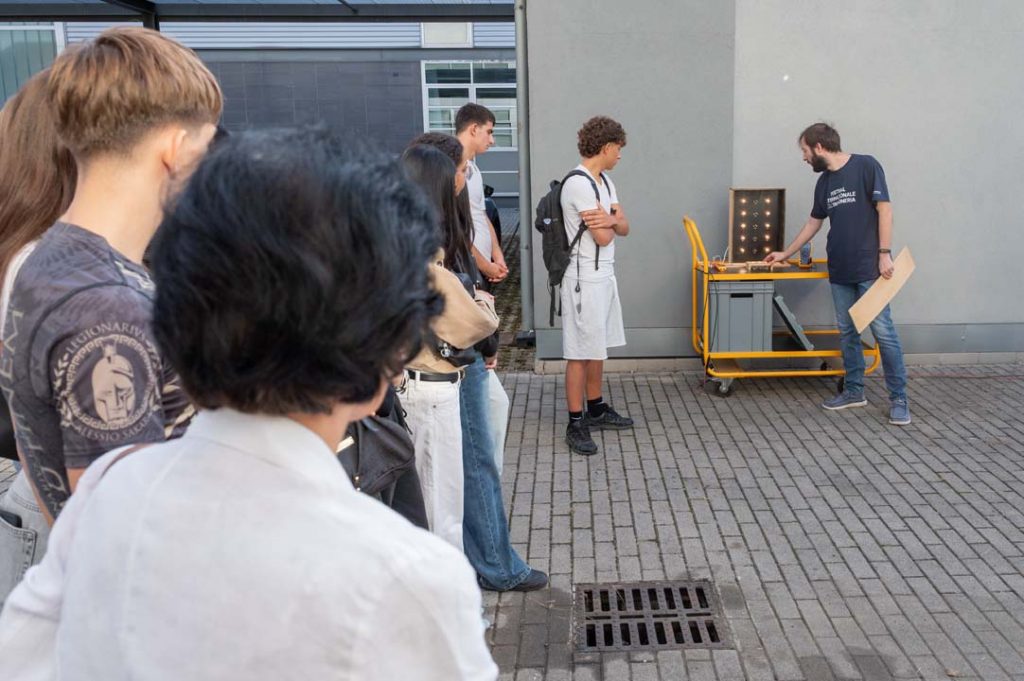
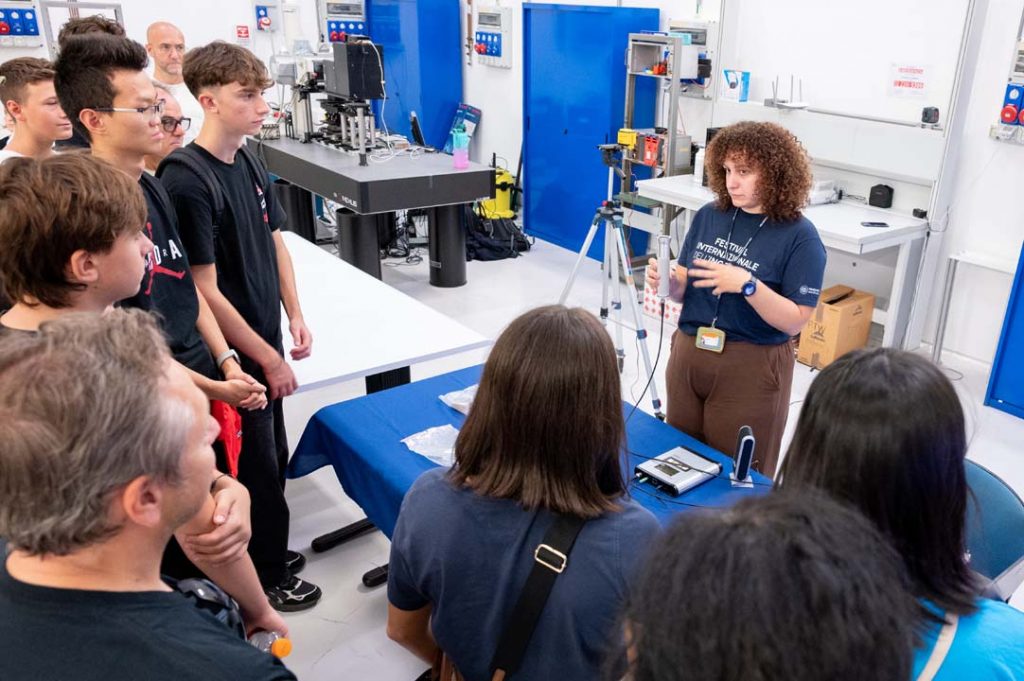
The Nuclear Measurements and Electronics Laboratory opened its doors to visitors, offering a journey of discovery into radioactivity and nuclear fission. The experience began with measurements of natural radioactivity, providing an opportunity to explain how, in the late nineteenth century, Becquerel and subsequently Marie and Pierre Curie pioneered the discovery and study of radioactivity. The journey then continued with the discovery of the neutron and Enrico Fermi’s experiments with slow neutrons, which were fundamental to understanding the subsequent development of nuclear fission. Visitors were able to “listen” directly to neutron interactions, making normally invisible phenomena perceptible and connecting the great discoveries of nuclear physics with modern measurement techniques.

Young Travellers Discover Urban Mobility
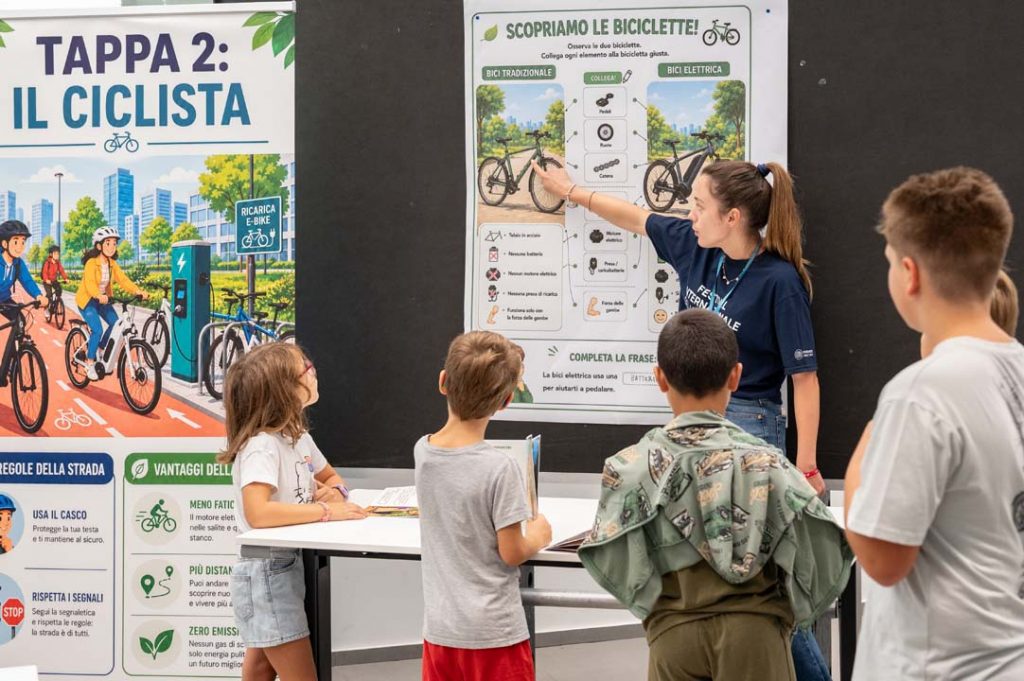
As part of the project Crescere in movimento, crescere sostenibili (Growing through Movement, Growing Sustainably), promoted and coordinated by Professor Michela Longo, a workshop for children aged 6 to 9 took participants on an interactive journey into the world of urban mobility. Images, real objects, examples and simple demonstrations introduced participants to different modes of transport, encouraging them to reflect on how journeys vary depending on distances, routes and the places travelled through. Each child received a Sustainable Passport to follow the different stages of the activity and keep as a memento of the experience. The initiative was made possible with support from the Iren Territorial Committee of Piacenza.

Smart and Flexible Buildings: VeluxLab
Visitors learned about research into heating and cooling systems, building energy flexibility and buildings’ potential contribution to the energy transition. Researchers also presented projects focusing on data centre efficiency, automated fault diagnosis, predictive control of building systems and energy consumption monitoring, including the HyCool-IT project at the Z3 building.
The visit also offered an opportunity to explore the technologies integrated into VeluxLab, including its building management system, radiant heating and cooling system, air handling unit with heat recovery and photovoltaic system. Finally, researchers presented tests conducted on an electric water heater as part of the MASE HomeThermFlex project, aimed at investigating electricity demand flexibility in homes.

Working Together for the Environment: Engineering Meets Philosophy and the Social Sciences
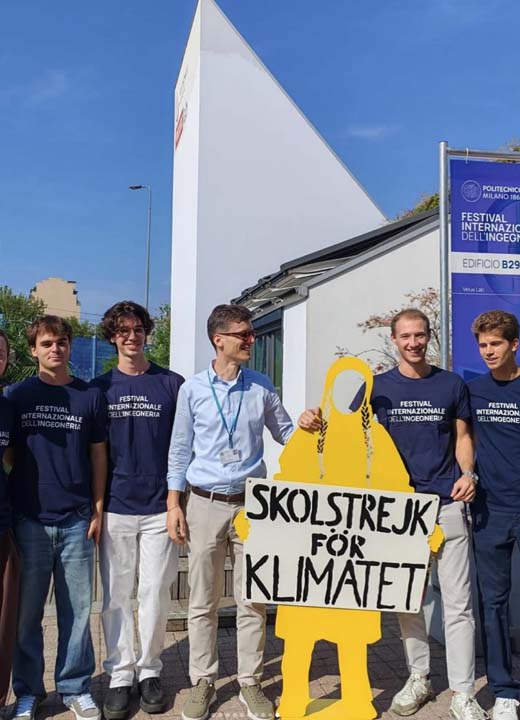
The Department’s contribution continued on Sunday 20 September with Diana Shendrikova taking part in the session “Working Together for the Environment: Engineering Meets Philosophy and the Social Sciences”, which introduced the interdisciplinary META group.
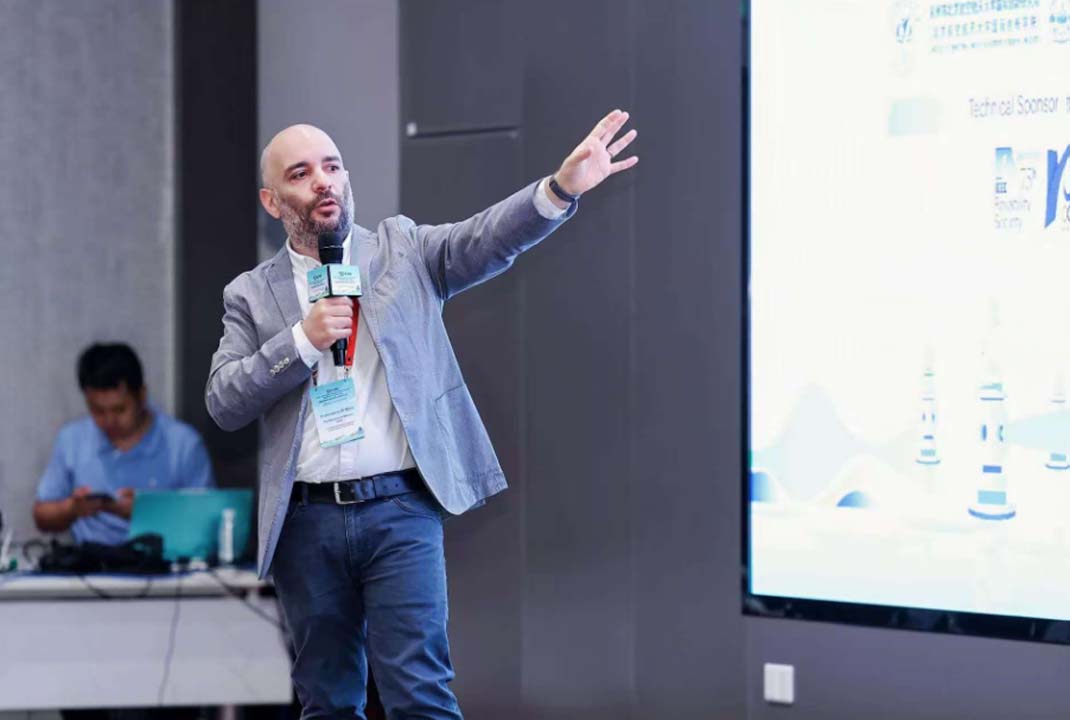
In her talk, entitled “Why a Geopolitics of Energy?”, Diana Shendrikova explored the relationship between energy, international power balances and collective choices, highlighting the need to integrate expertise from technology, the social sciences and the humanities to interpret contemporary energy transformations.
A full report on the sixth edition is available on the Politecnico di Milano website.