Enrico Zio in Chile for a series of lectures and meetings on the reliability assessment of industrial systems and the management of critical infrastructure resilience
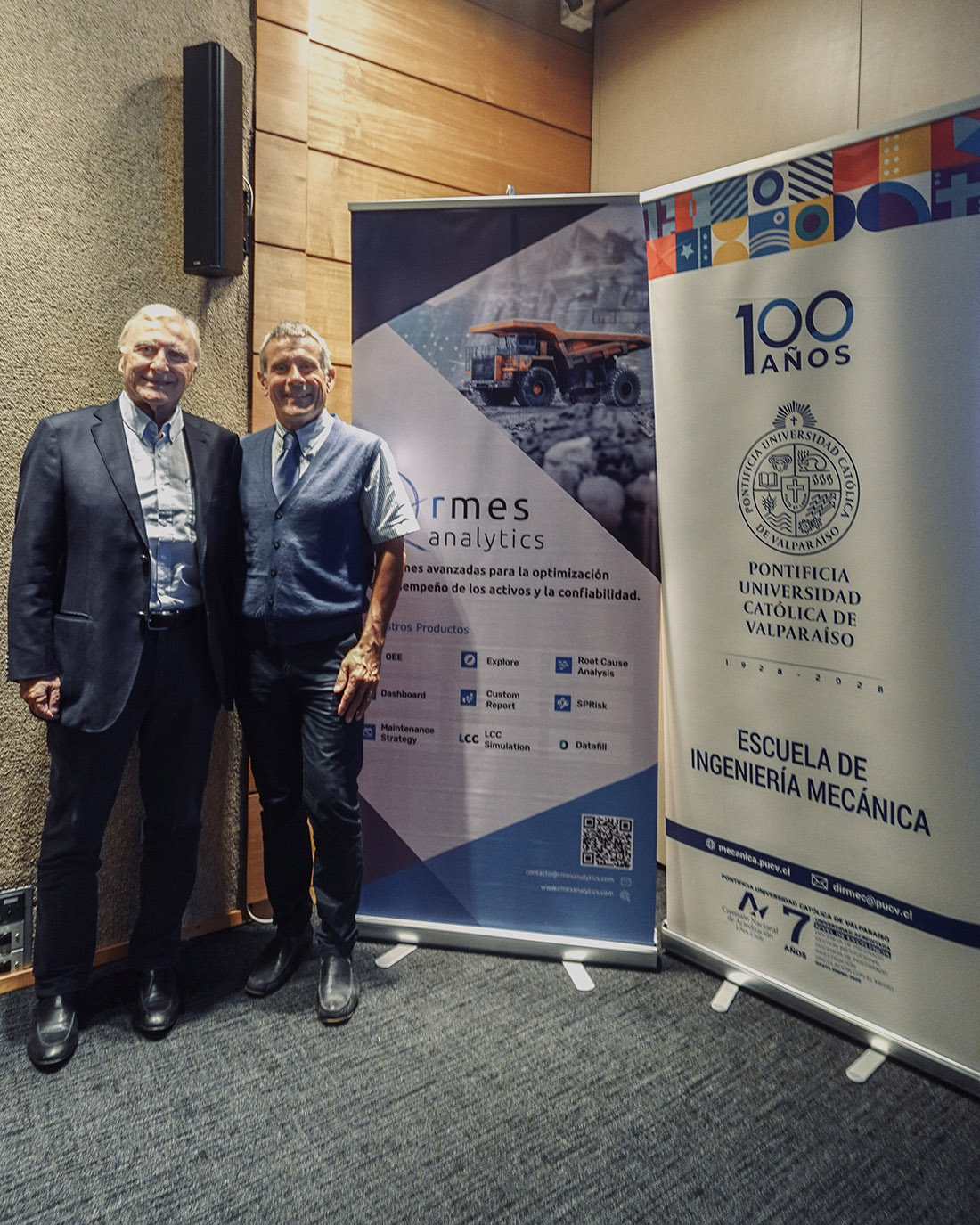
In the first weeks of November, Professor Enrico Zio, faculty member of the Department of Energy at the Politecnico di Milano, carried out a series of academic activities in Chile as a guest of the Escuela de Ingeniería Mecánica at the Pontificia Universidad Católica de Valparaíso (PUCV).
Invited by Prof. Orlando Durán, with the support of Director José Luis Valin, Prof. Zio met with researchers, students, and professionals as part of a collaboration aimed at strengthening the ties between PUCV and international research centers focused on asset management and risk analysis.
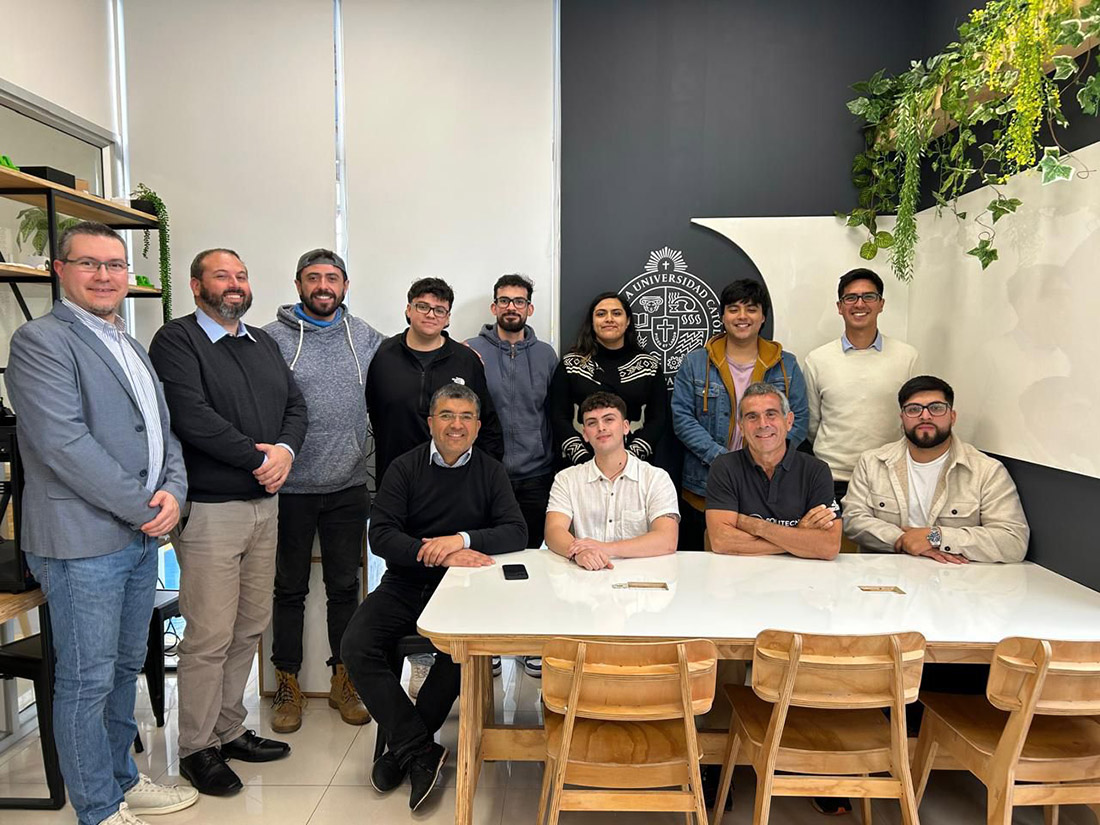
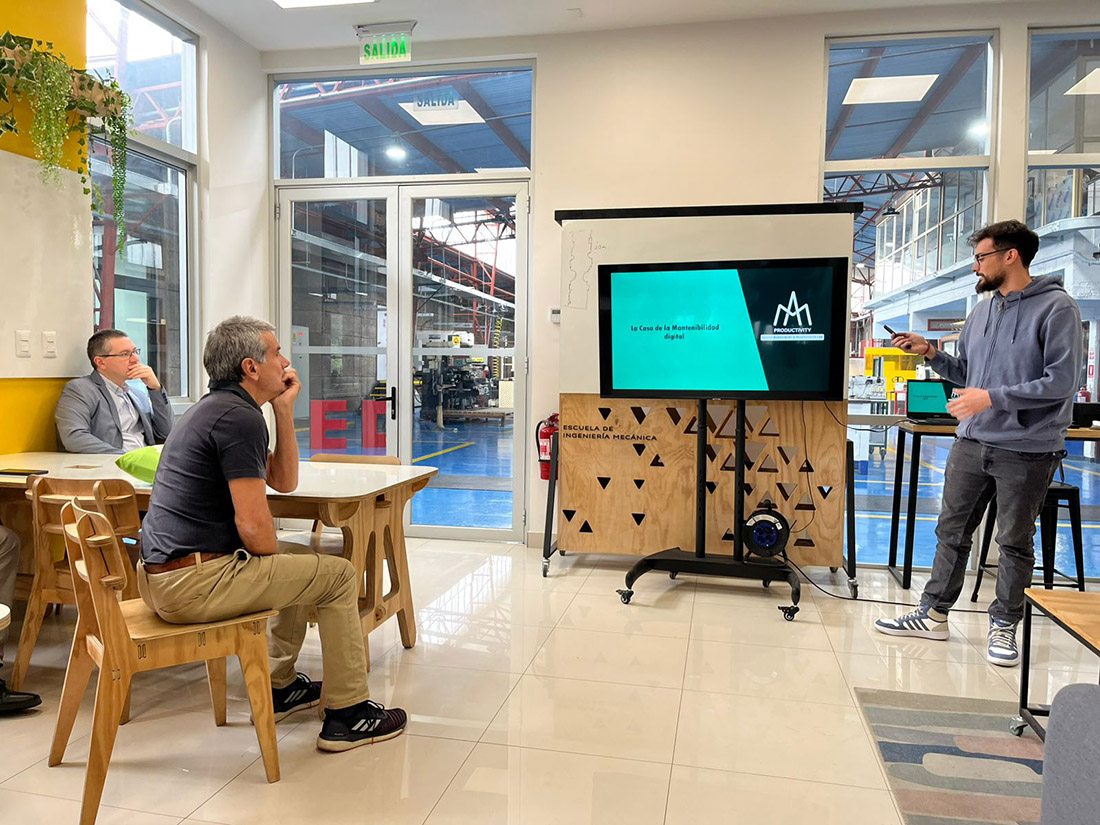
During the visit, the Professor took part in discussions with the students of the Laboratorio de Gestión de Activos y Productividad, who presented their research lines on topics such as maintainability analysis in virtual reality, the definition of resilience indicators for industrial systems, and the reliability assessment of pumping systems.
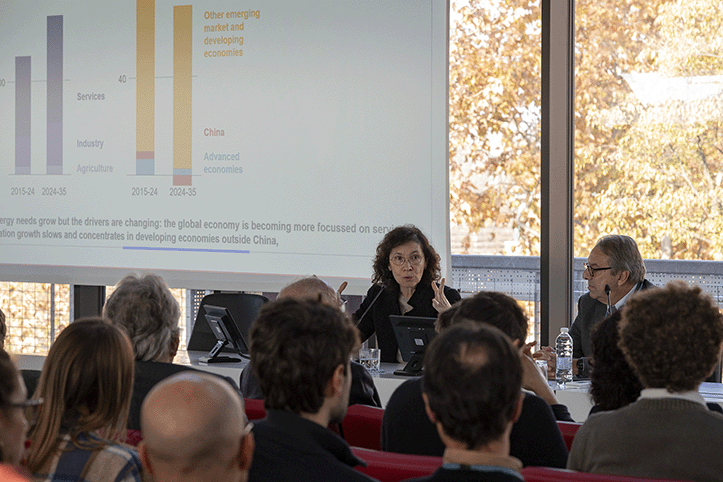
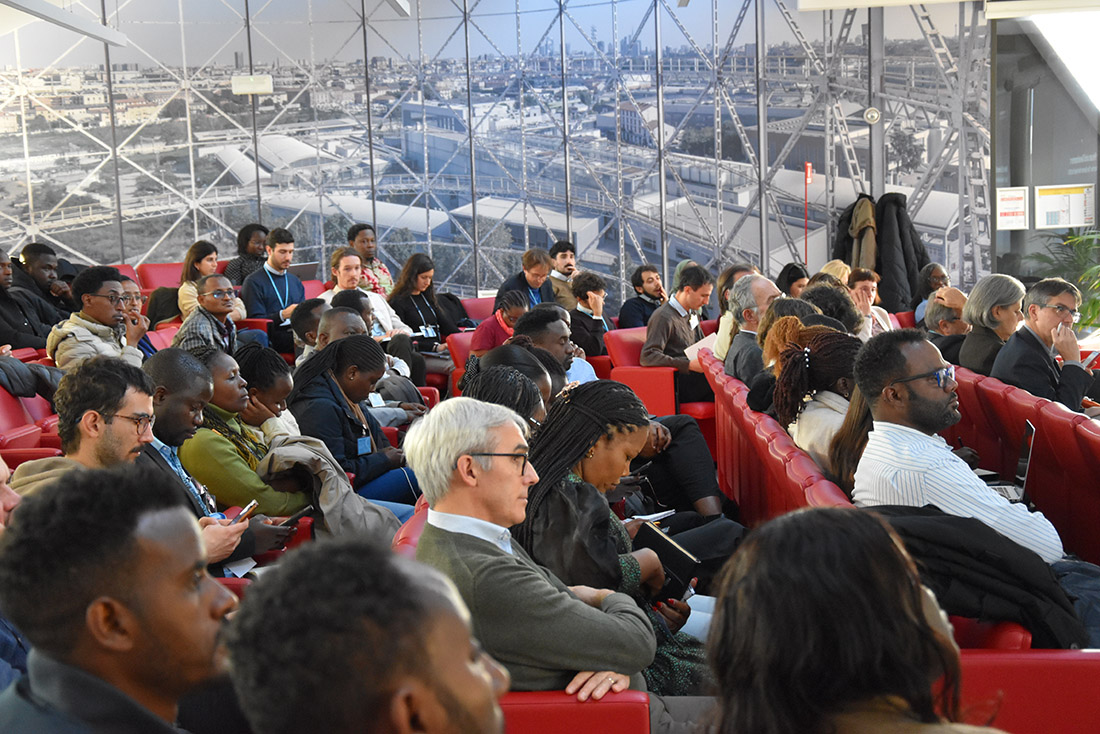
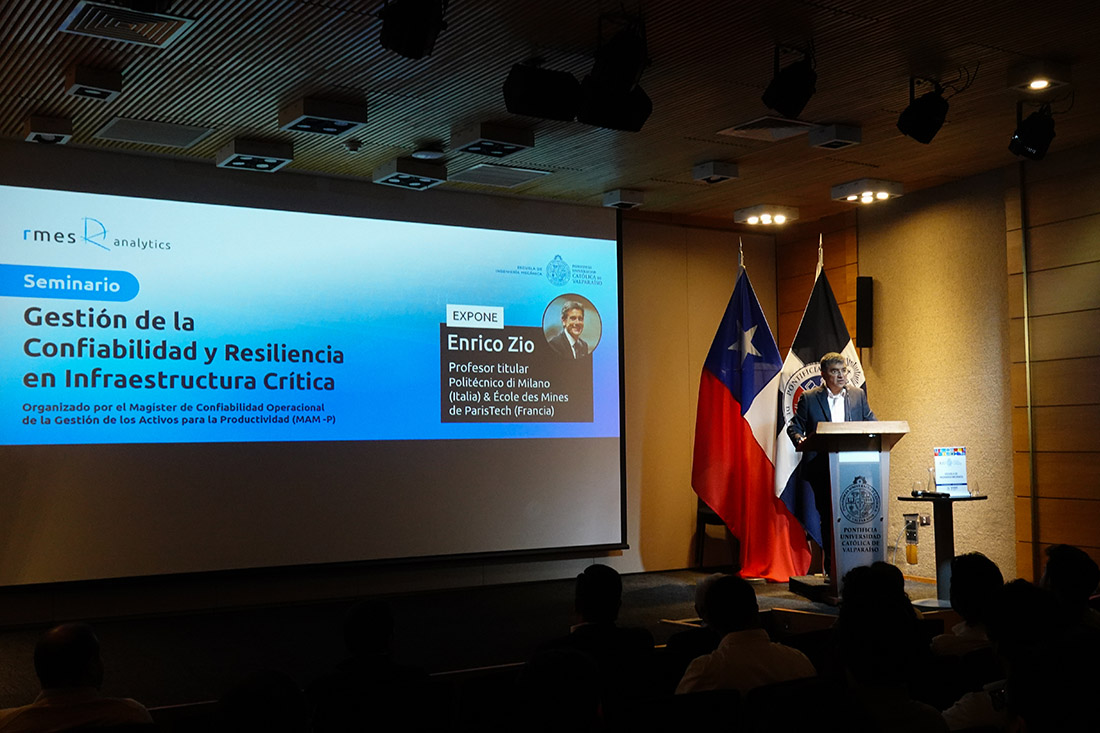
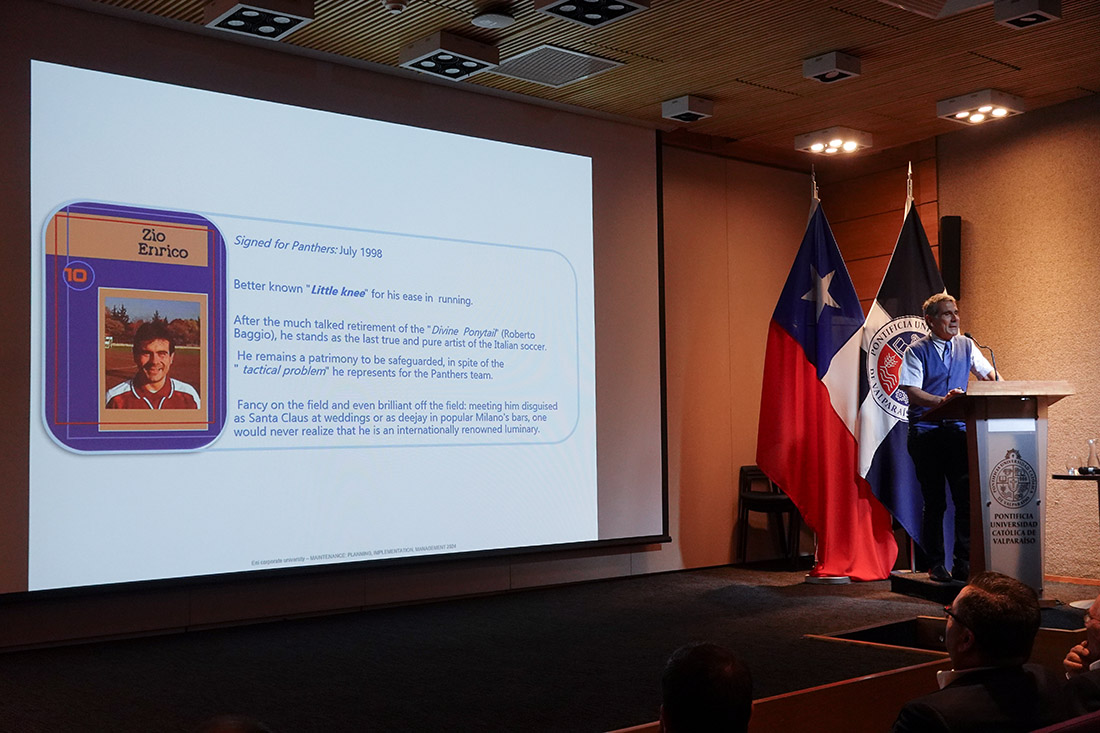
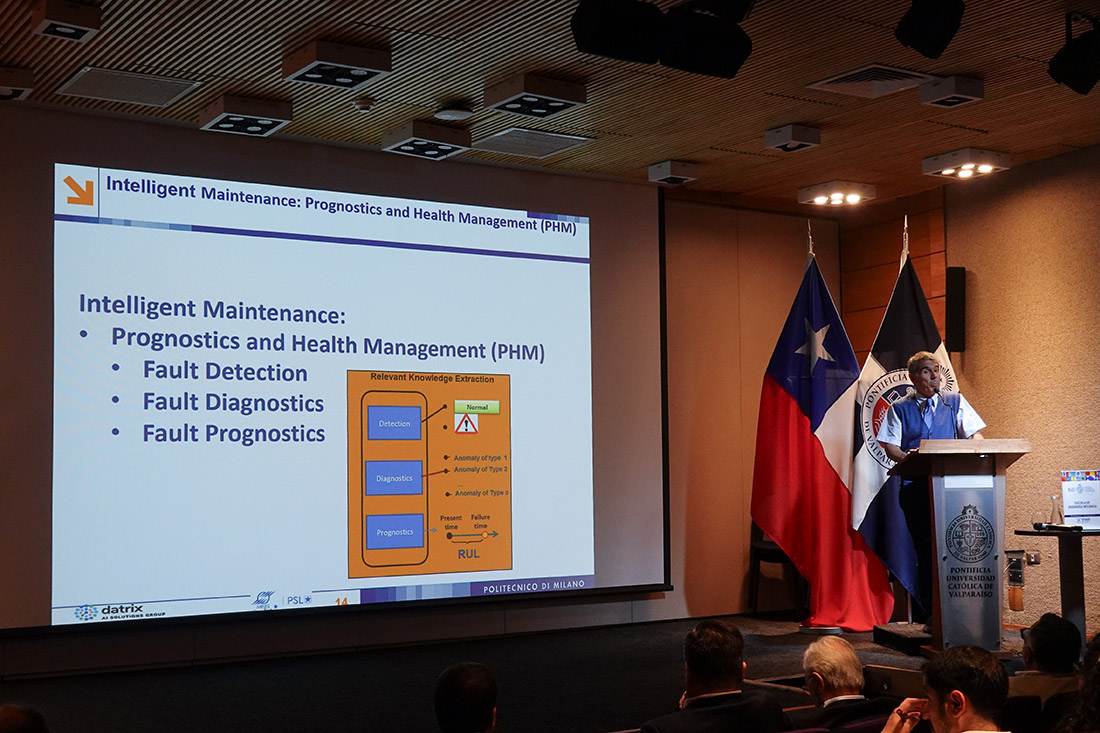
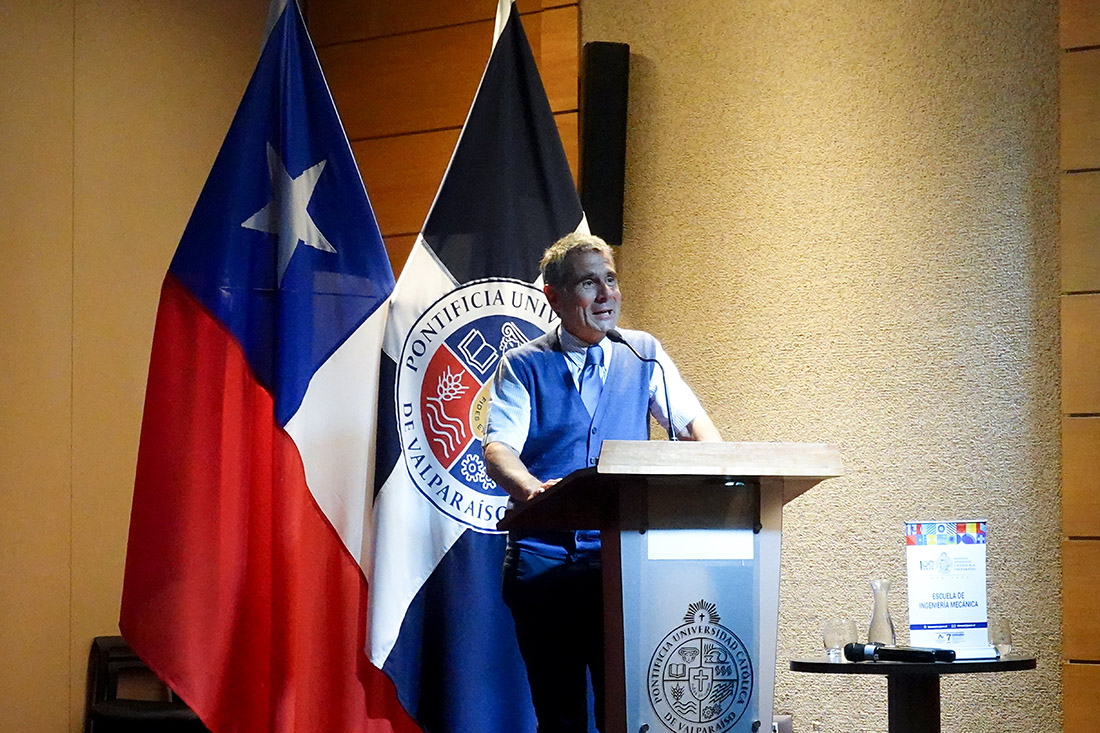
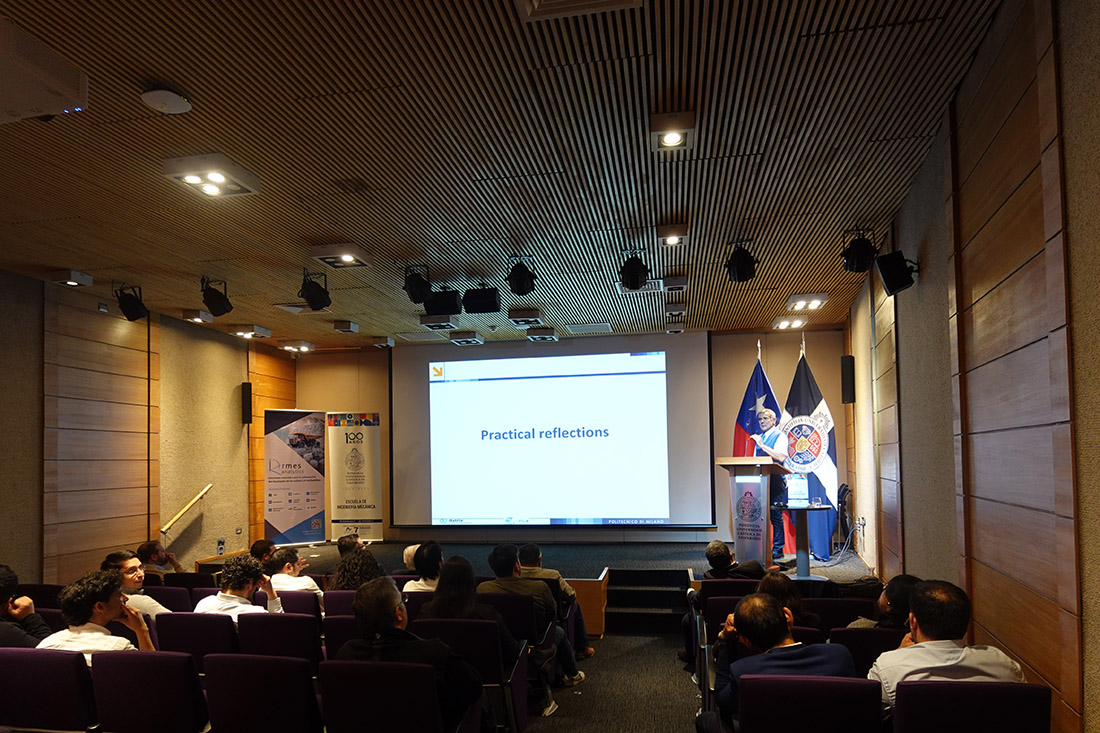
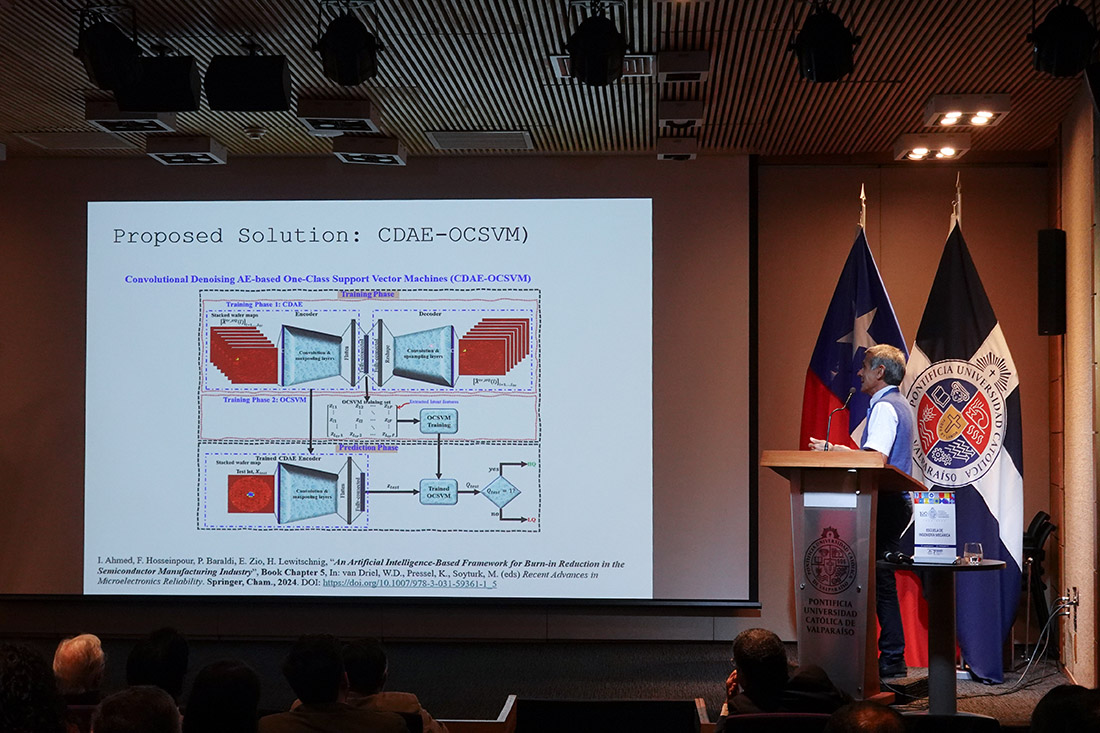
He also delivered the lectio magistralis “Gestión de la Confiabilidad y Resiliencia en Infraestructura Crítica”, which attracted numerous academics and professionals. The lecture focused on the use of artificial intelligence to support informed decision-making on component condition management and the optimal performance of complex industrial systems.
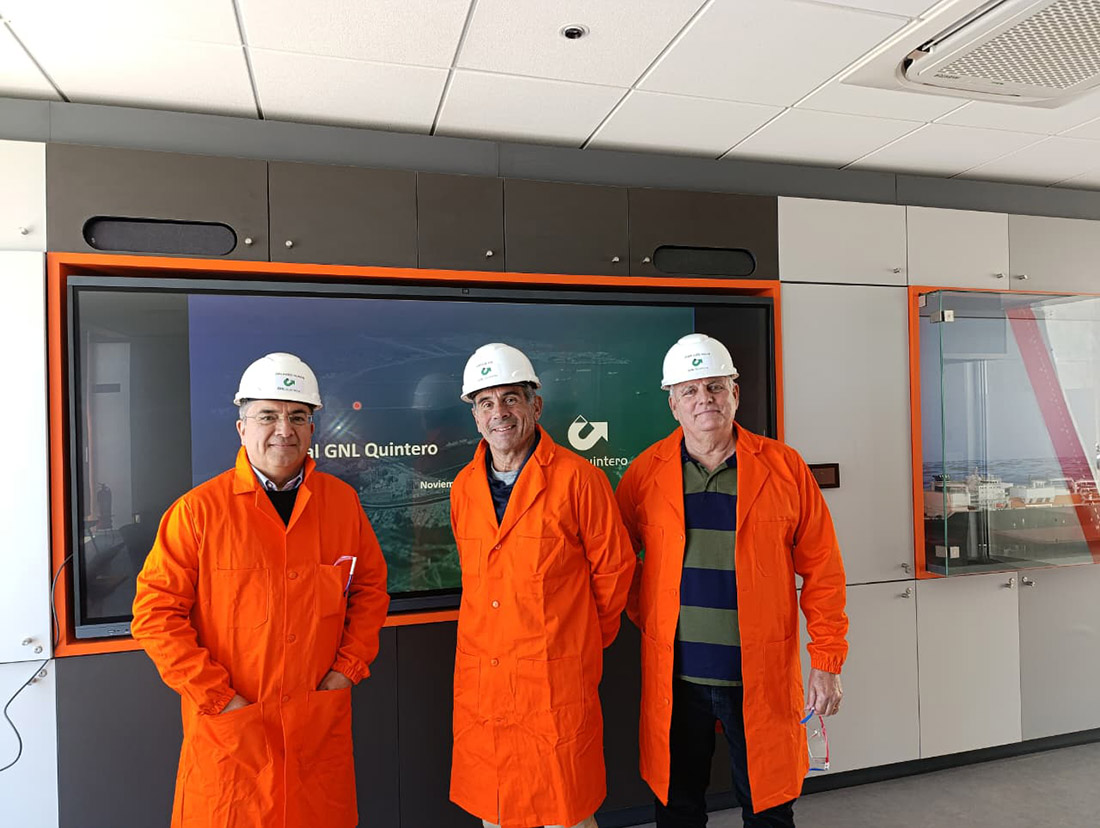
The mission also included a technical visit to GNL Quintero, one of the country’s main regasification infrastructures, where the Professor was able to explore the strategies adopted in safety, maintenance, and asset management.
At the conclusion of his stay, Prof. Zio emphasized the value of the scientific collaboration between the two institutions and the opportunity to build long-term joint pathways through exchanges, workshops, and shared training projects.
In an interview, Prof. Zio stated:
“I am very optimistic about the contribution that artificial intelligence can bring to industry, but it is essential to create the right conditions: valid data, reliable algorithms, and processes capable of integrating human experience with digital tools. Only in this way can we have a technology we can trust for truly informed decision-making.”