Riccardo Colombo (PhD Candidate at the LCCP group) wins the Best Student Presentation Award at CARES 2025 in Chennai
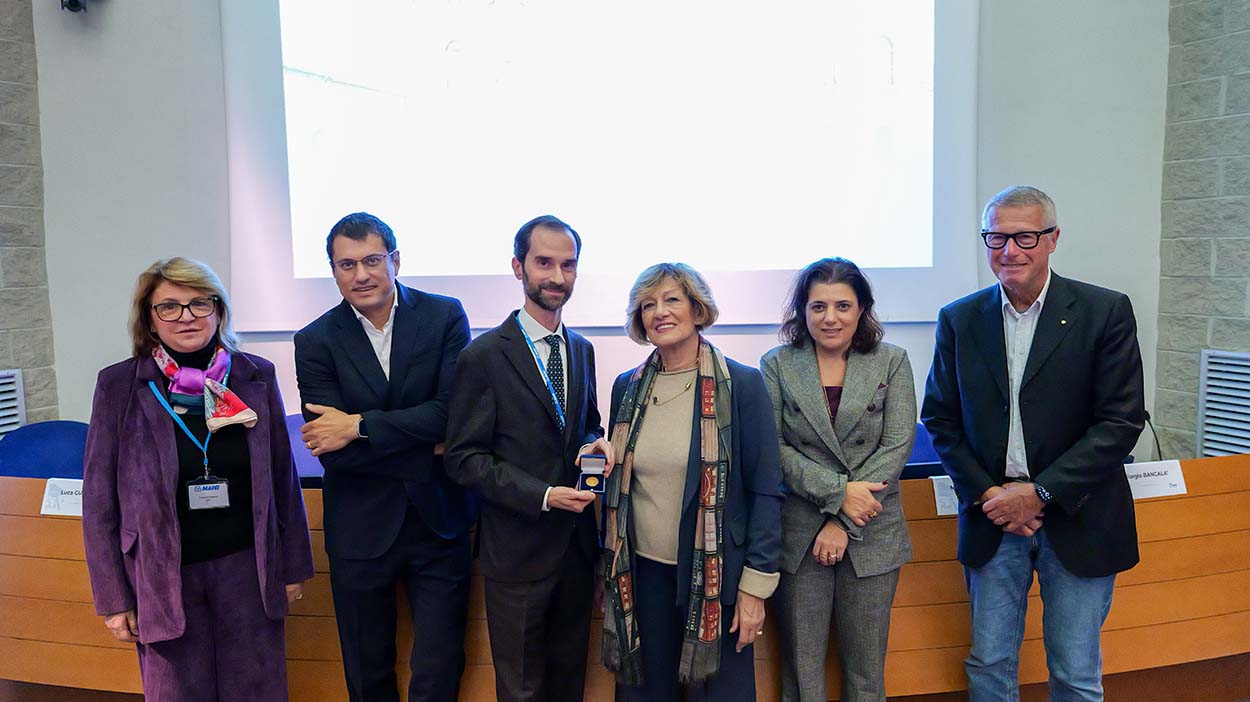
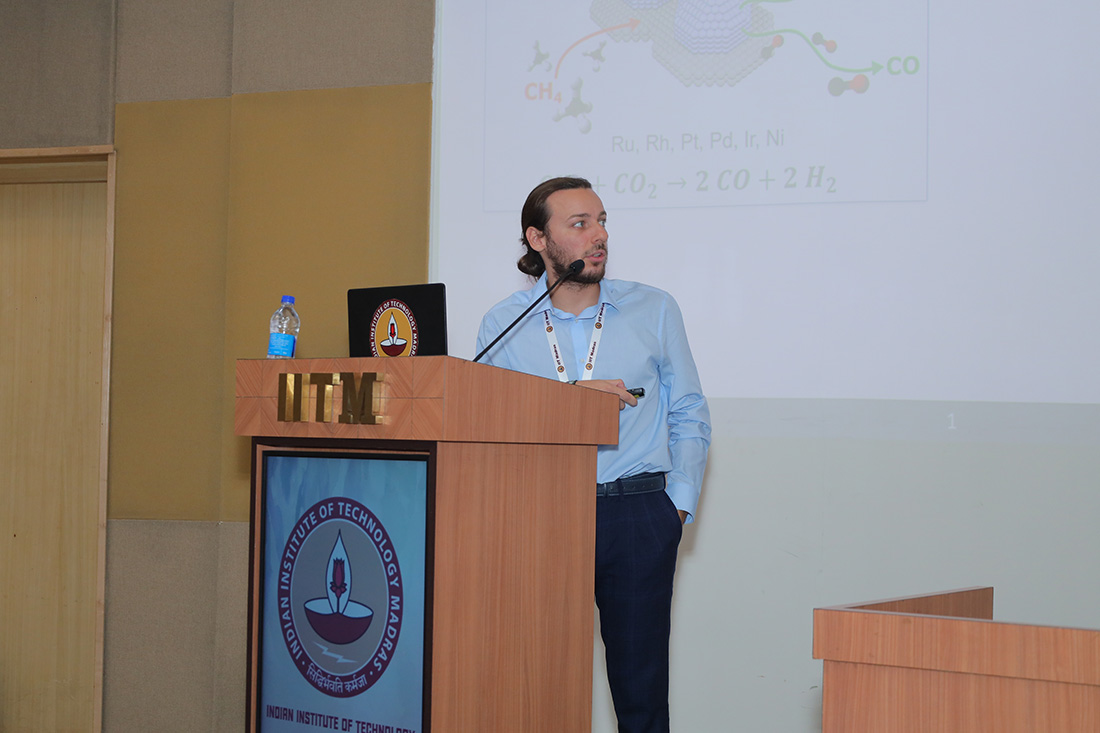
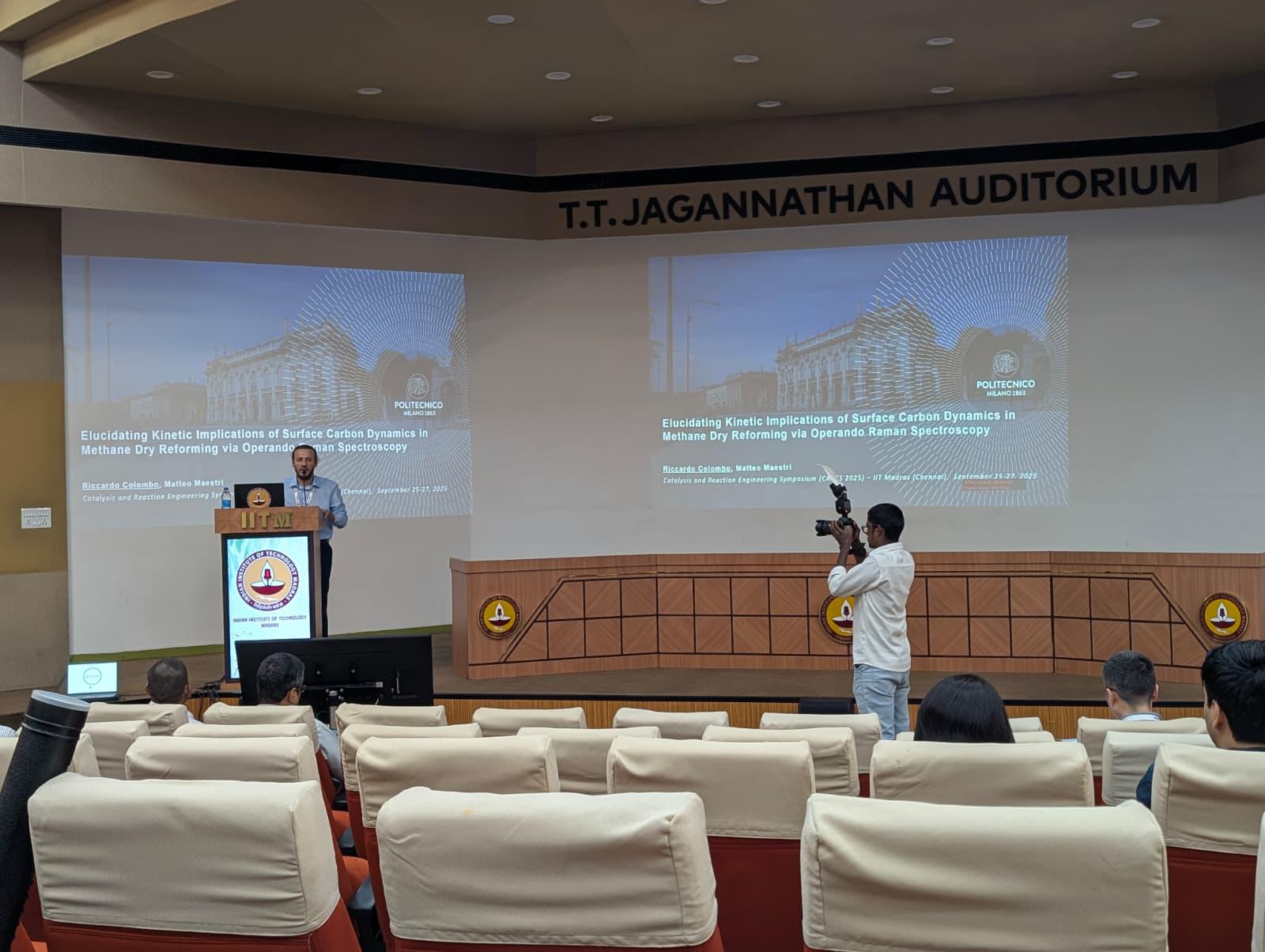
Riccardo Colombo, PhD candidate at the Laboratory of Catalysis and Catalytic Processes within the Department of Energy of the Politecnico di Milano, received the Best Student Presentation Award at the Catalysis and Reaction Engineering Symposium (CARES) 2025, held from 25 to 27 September at the Indian Institute of Technology Madras (Chennai, India), one of the country’s most prestigious research institutions.
The symposium brought together experts from academia, research centers, and industry – including BASF, Shell, Süd-Chemie, Chevron, and Pfizer – offering a valuable platform for exchange and collaboration between fundamental research and industrial applications.
“This conference, now in its second edition, aims to become an annual platform for the Indian catalysis and reaction engineering community, open to international participation.”
As stated by one of the organizers, Prof. Himanshu Goyal
Colombo presented the work “Elucidating Kinetic Implications of Surface Carbon Dynamics in Methane Dry Reforming via Operando Raman Spectroscopy”, carried out under the supervision of Prof. Matteo Maestri within the framework of the NEST – “Network 4 Energy Sustainable Transition” project.
The research investigates the mechanisms of carbon species formation during Methane Dry Reforming reaction over metal-based nanoparticle catalysts, using operando Raman spectroscopy to correlate surface carbon dynamics with catalytic performance. The study extends previous findings on rhodium-based catalysts to more cost-effective and industrially promising nickel-based systems.

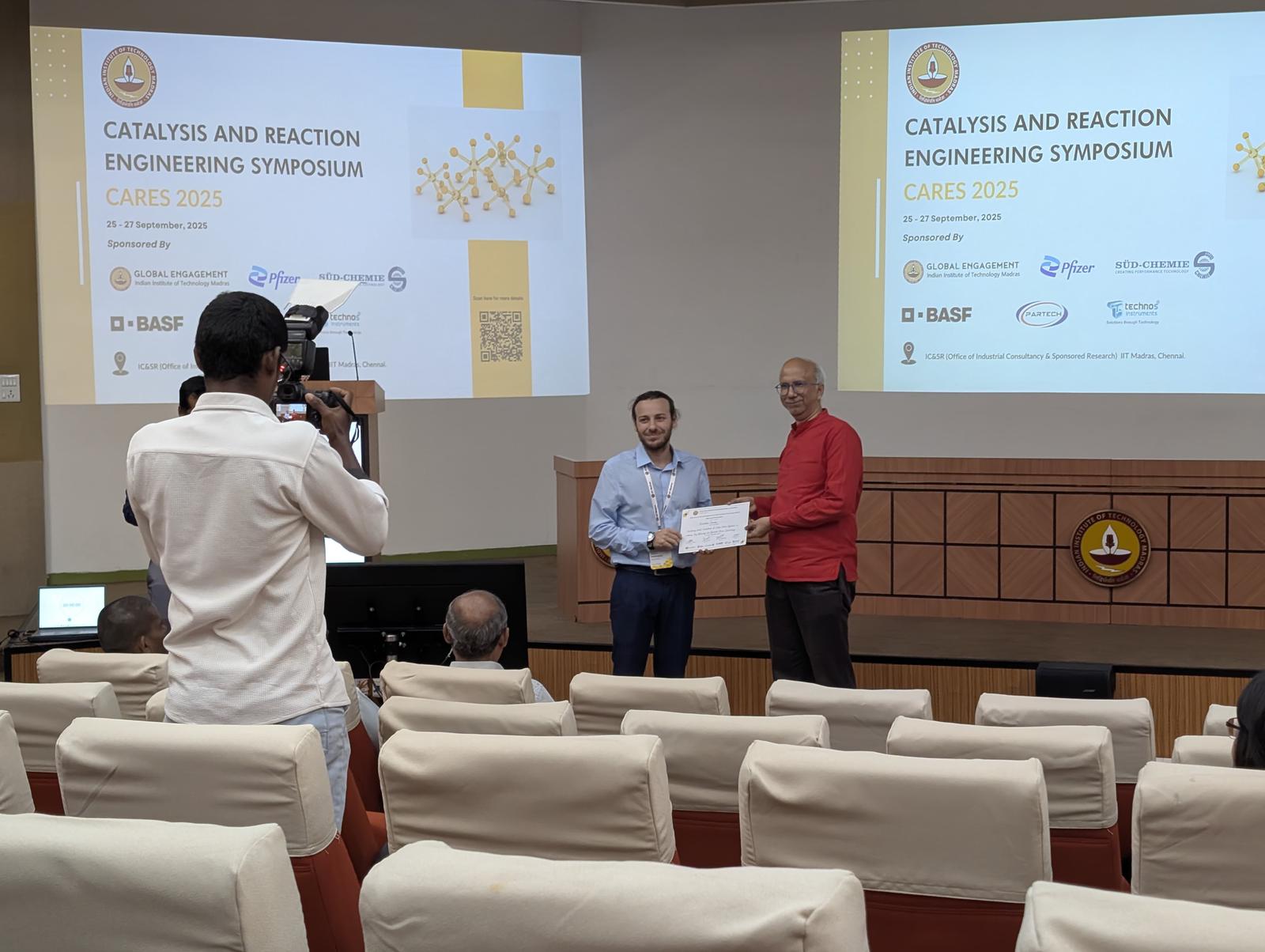
“Our goal is to understand how carbon forms and evolves on the catalysts surface during the Methane Dry Reforming reaction. We started from an ideal noble metal such as rhodium and then extended our analysis to catalytic systems that are more relevant from an industrial standpoint. This fundamental understanding is crucial to designing more stable and efficient materials capable of valorizing methane and CO₂ within a sustainable energy framework.”
Explains Riccardo Colombo
The award was assigned based on the technical and scientific quality of the presentation, as well as its clarity and graphical effectiveness, evaluated by a panel of academic and industrial experts.
Methane Dry Reforming (MDR)
Methane Dry Reforming is a chemical reaction that uses methane (CH₄) and carbon dioxide (CO₂) to produce synthesis gas , a mixture of hydrogen and carbon monoxide commonly employed in the production of chemicals and synthetic fuels.
In the context of the energy transition, this reaction represents a sustainable route to valorize greenhouse gases and reduce emissions by converting them into high-value products that can be easily integrated into existing infrastructures.
Catalysts and Deactivation
Catalysts enable high conversion rates by accelerating chemical reactions, but during Methane Dry Reforming reaction they tend to become covered by carbon deposits, losing efficiency even over short timescales. Understanding how and why carbon forms is essential to design more stable and durable catalysts suitable for industrial applications.
Operando Raman Spectroscopy
Among its various applications, Raman spectroscopy is commonly used to assess the degree of graphitization of carbonaceous species.
The “operando” approach allows these analyses to be performed in real time, under actual reaction conditions, making it possible to clarify the origin of surface dynamics that are difficult to interpret using conventional techniques.
Related publications: