100% Renewable Sardinia: Polimi–UniCa–UniPd Study Presented to the Regional Government
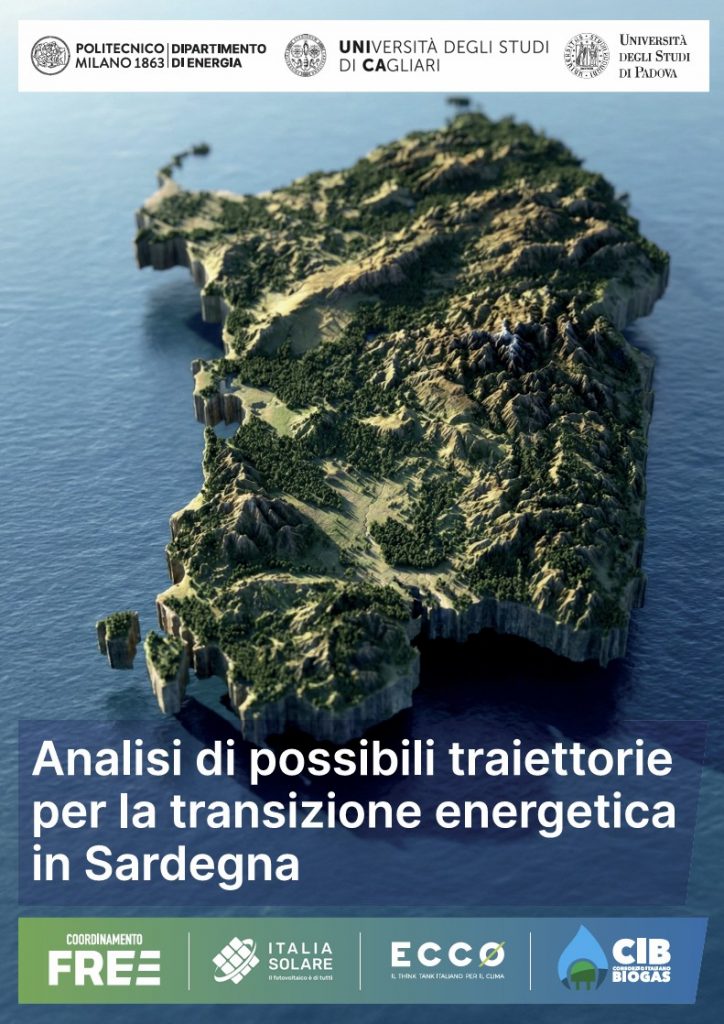
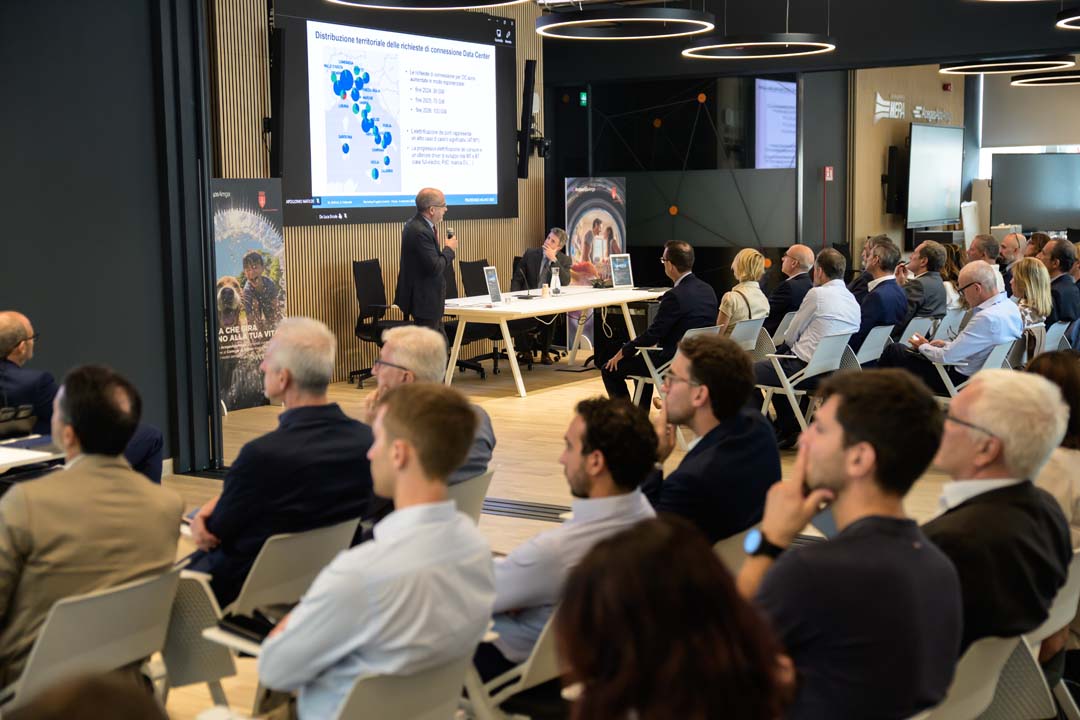
On Thursday, 22 January, a delegation of researchers from Politecnico di Milano, the University of Cagliari, and the University of Padova met with the Assessore for Industry of Sardinia, Emanuele Cani, to discuss the findings of the recently published study “Analysis of Possible Pathways for the Energy Transition in Sardinia”.
Representing Politecnico di Milano at the meeting was Professor Maurizio Delfanti, together with a group of researchers involved in the study and representatives of FREE (the Italian Coordination of Renewable Energy and Energy Efficiency Associations), which commissioned the research.
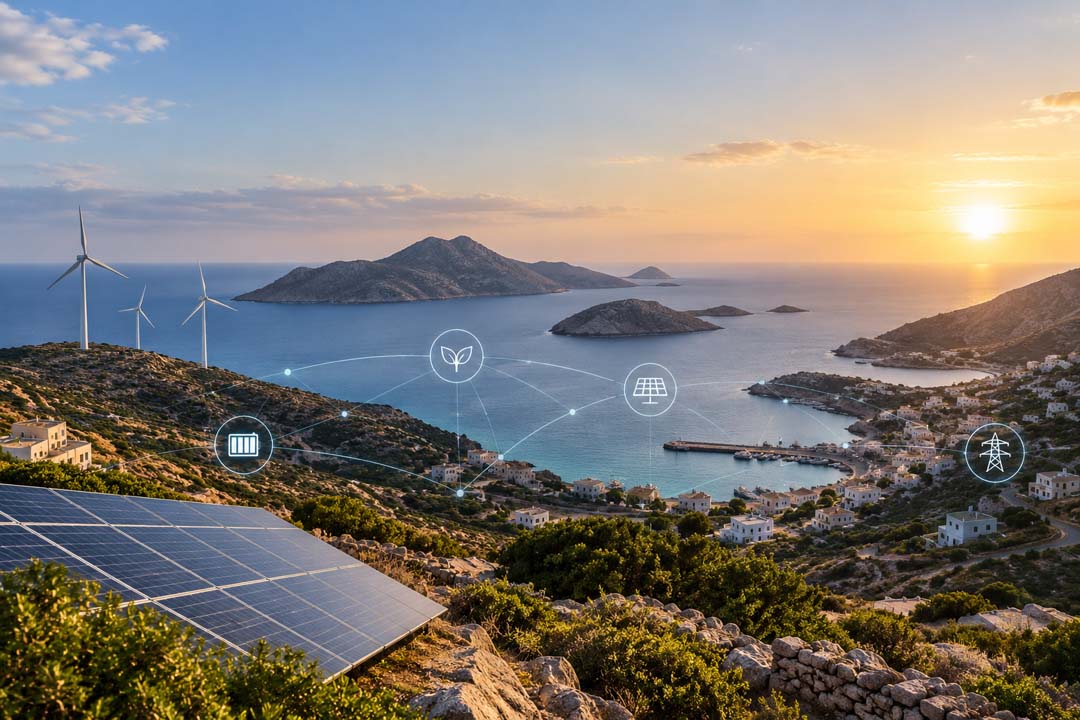
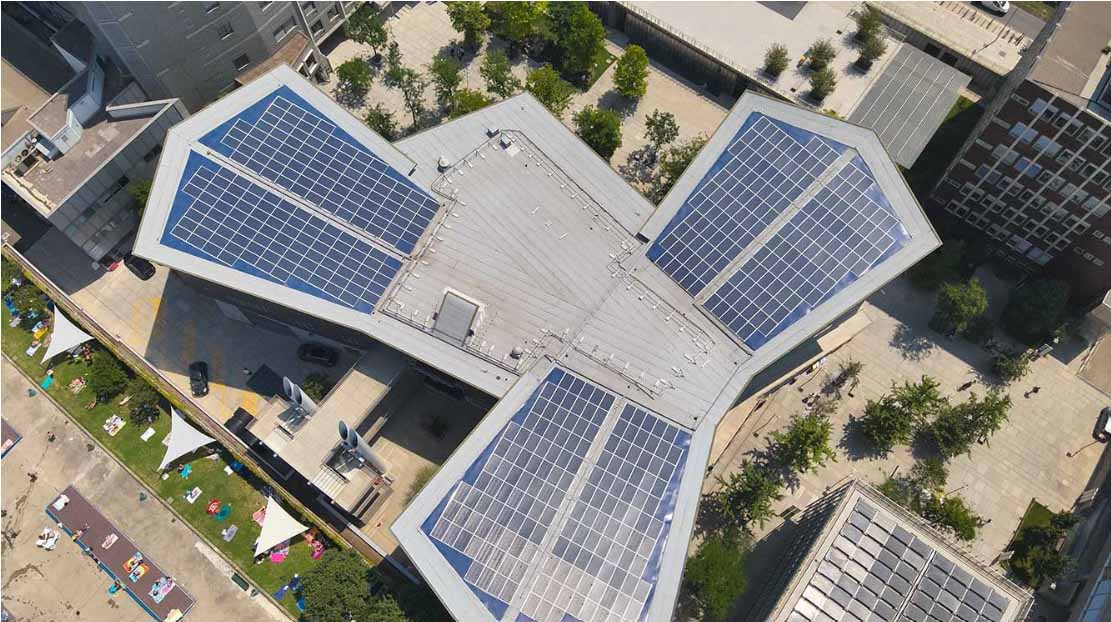
The study provides an integrated analysis of the Sardinian energy system and demonstrates that the island could achieve a fully renewable electricity system by 2030, without relying on new gas infrastructure and enabling the phase-out of coal-fired power plants.
The proposed scenario is based on a strong expansion of solar and wind power, the deployment of energy storage systems, the reinforcement of electricity grids, and the strategic role of interconnections, in particular the Tyrrhenian Link.
In the medium to long term, the analysis also highlights industrial opportunities related to green hydrogen production and the conversion of the Sarlux refinery, outlining a pathway consistent with European decarbonisation targets and delivering positive impacts in terms of competitiveness, employment, and energy security.
The Department of Energy at Politecnico di Milano made a significant contribution to the development of the study, taking part in modelling activities, techno-economic analyses, and scenario definition.
The research was carried out by a group of authors including, for Politecnico di Milano, Maurizio Delfanti, Giuliano Rancilio, Giuseppe Muliere, and Marianna Pozzi; for the University of Cagliari, Fabrizio Pilo and Simona Ruggeri; for the University of Padova, Arturo Lorenzoni, Linda Cerana, and Giovanni Cappena; and Fabrizio Fattori (University of Insubria).
The discussion with Emanuele Cani represented an important moment of direct dialogue between scientific research and public decision-makers, underlining the role of universities as qualified partners in the development of energy policies based on robust analyses and verifiable scenarios.
Lo studio “Analisi di possibili traiettorie per la transizione energetica in Sardegna” è consultabile al seguente link: www.free-energia.it/documenti/Sardegna100_Rinnovabili/