The final report of Spoke 13 of the National Center MOST has been completed at the Politecnico di Milano
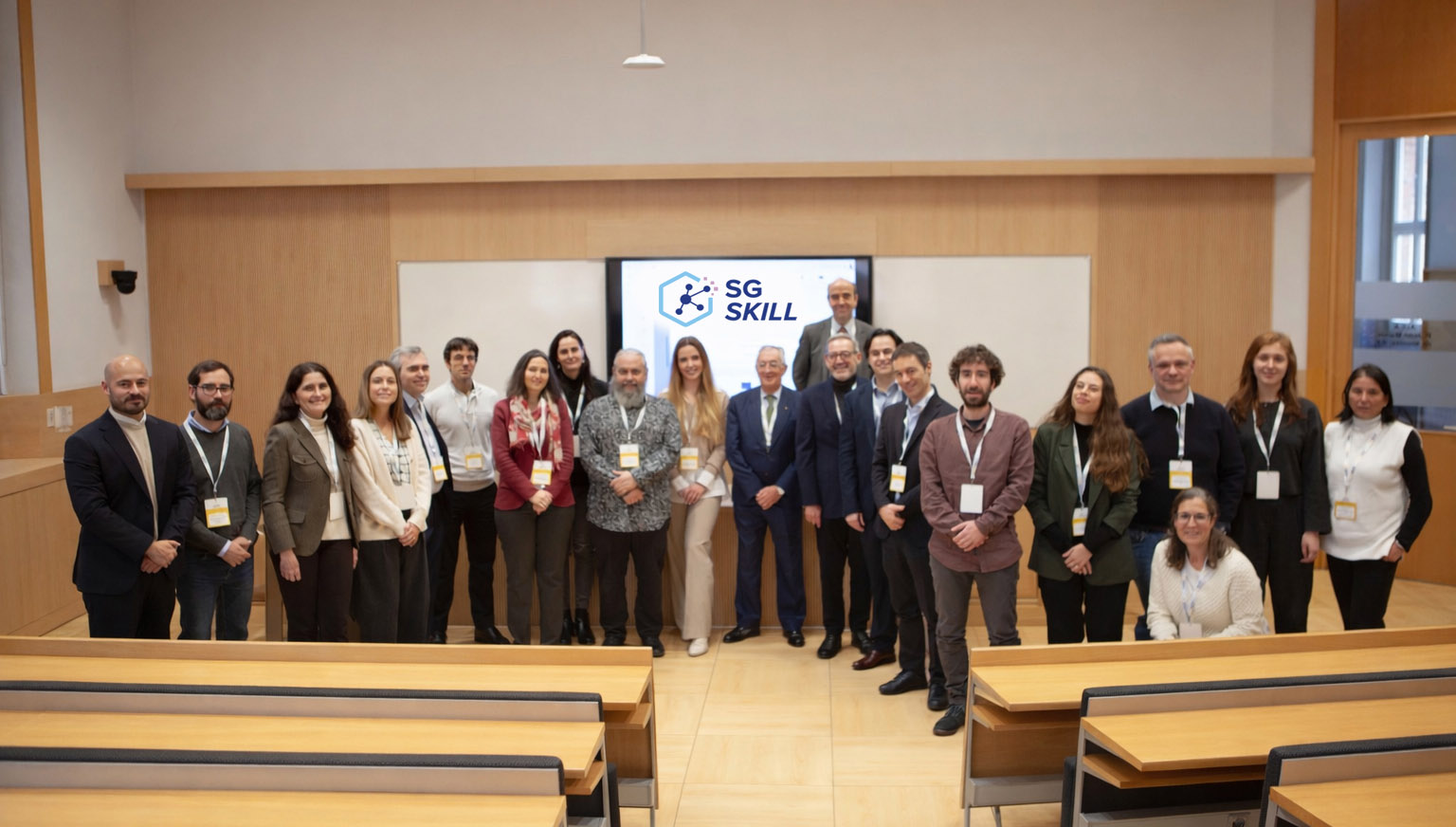
The Politecnico di Milano, Spoke Leader of the project, hosted the closing day with the participation of faculty members, researchers, and representatives from the industrial sector.
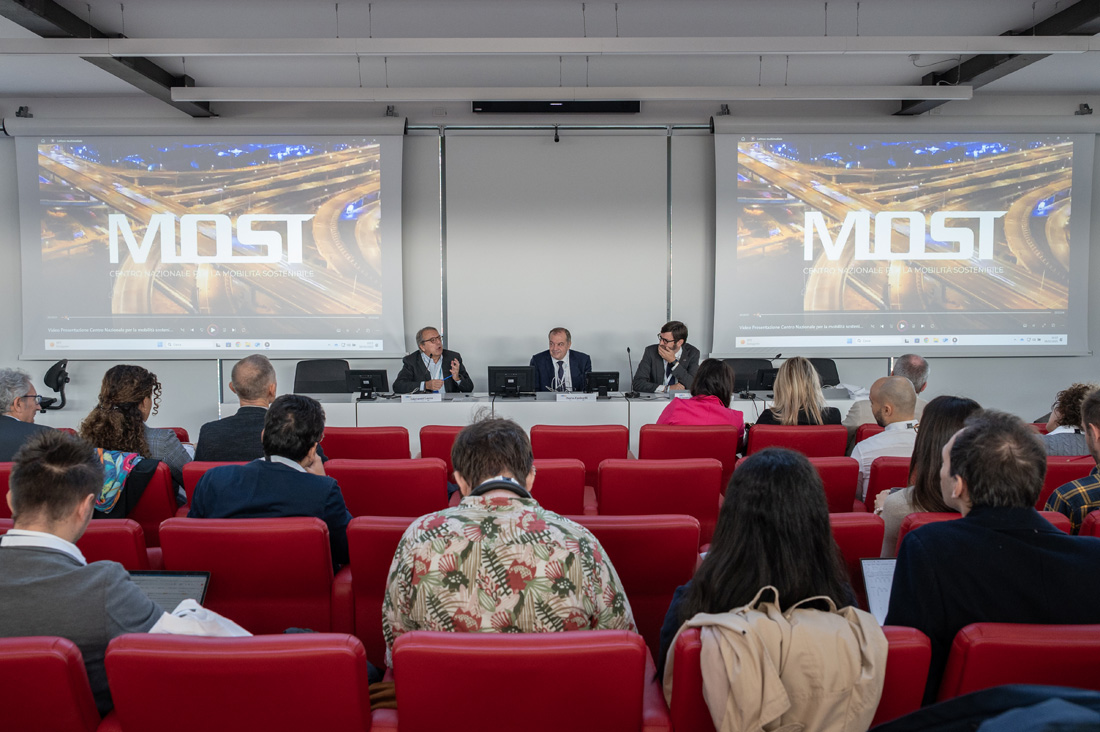
On Wednesday, October 8, 2025, the final presentation of Spoke 13 “Electric Traction System and Batteries” of the National Center for Sustainable Mobility (MOST)—led by the Politecnico di Milano as Spoke Leader—was held in the EN:lab Council Room of the Department of Energy at the Politecnico di Milano.
The project, funded through the PNRR, involved nine universities and seven companies active in the fields of electric traction and energy storage, with the goal of developing innovative technologies and solutions for more sustainable and interconnected mobility.
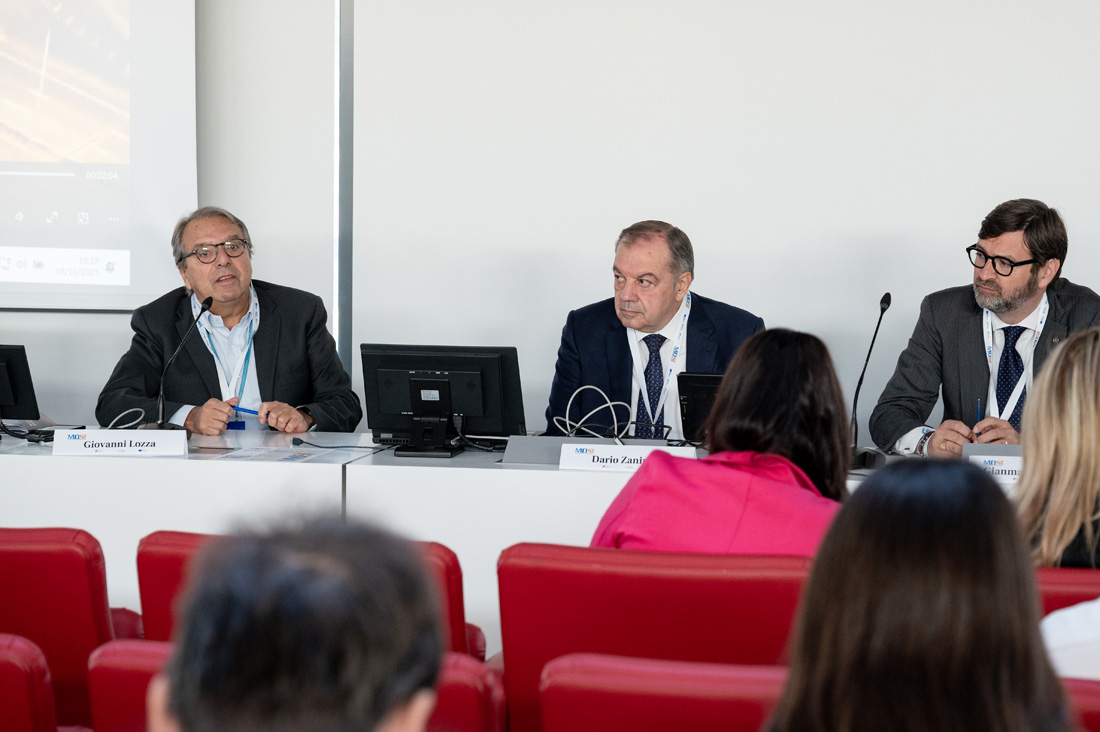
The meeting was opened by Giovanni Lozza, Director of the Department of Energy, who highlighted the strategic value of PNRR funding in strengthening university research—not only by enhancing laboratory infrastructure, but also by supporting the recruitment and training of new research professionals.
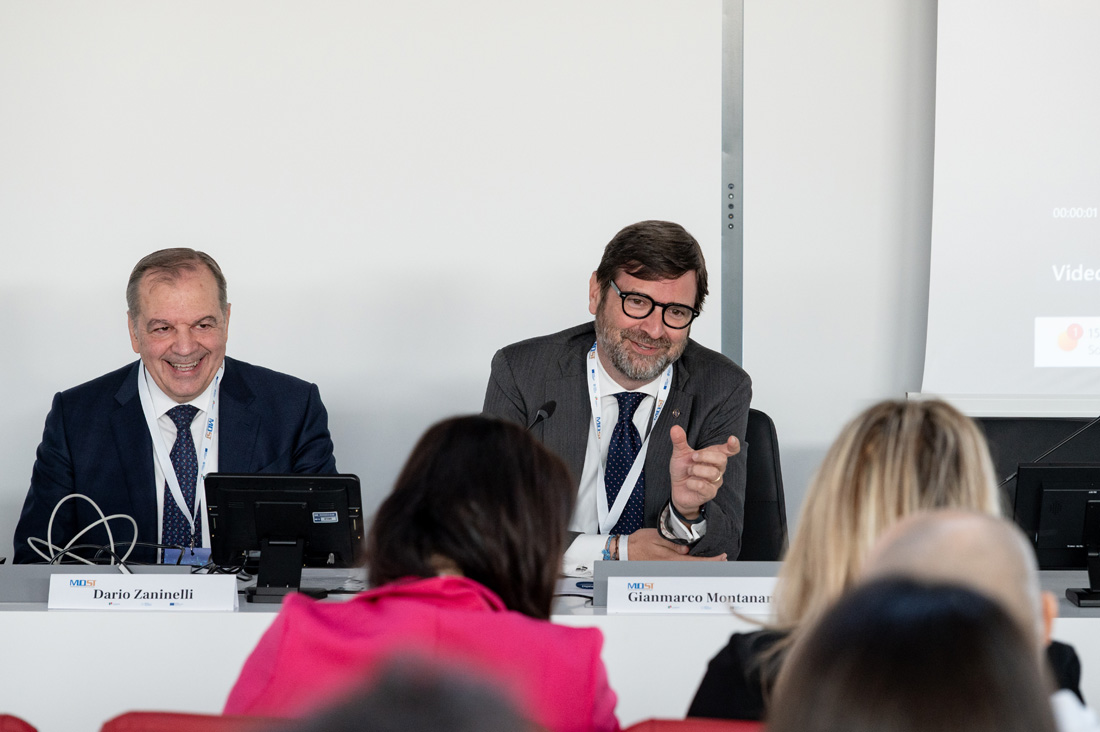
This was followed by institutional remarks from Gianmarco Montanari, General Director of MOST, who underlined the achievements accomplished by the Center in less than three years, with significant impacts on the national research and innovation system. He also emphasized the importance of ensuring continuity of activities beyond the conclusion of the PNRR program.
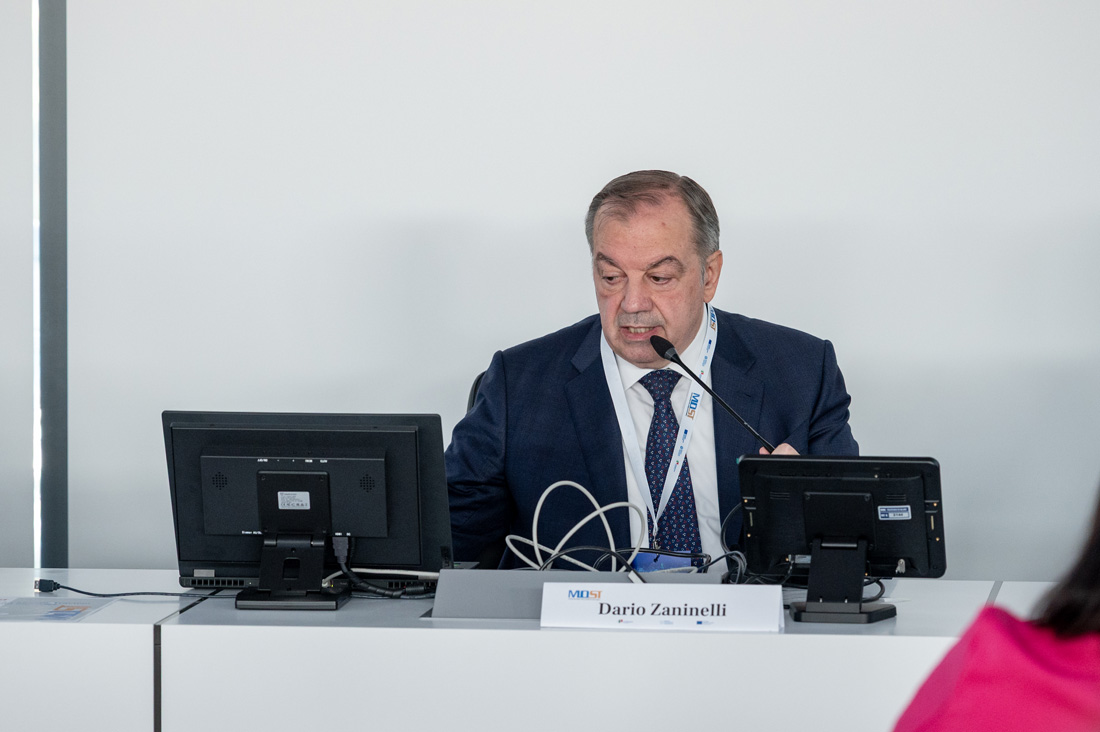
Professor Dario Zaninelli, Spoke Leader and faculty member of the Department of Energy, then presented an overview of the main results achieved, noting how Spoke 13 succeeded in fostering a structured collaboration between universities and companies distributed across Italy.
Particular emphasis was given to the “open call” projects, which involved numerous universities from Central and Southern Italy, thereby strengthening the national research network in the field of electric mobility.
In his closing remarks, Zaninelli expressed the hope that the MOST experience may continue as a stable platform for cooperation between public research and industry, also through future “closed calls” aimed at supporting the growth of young researchers.
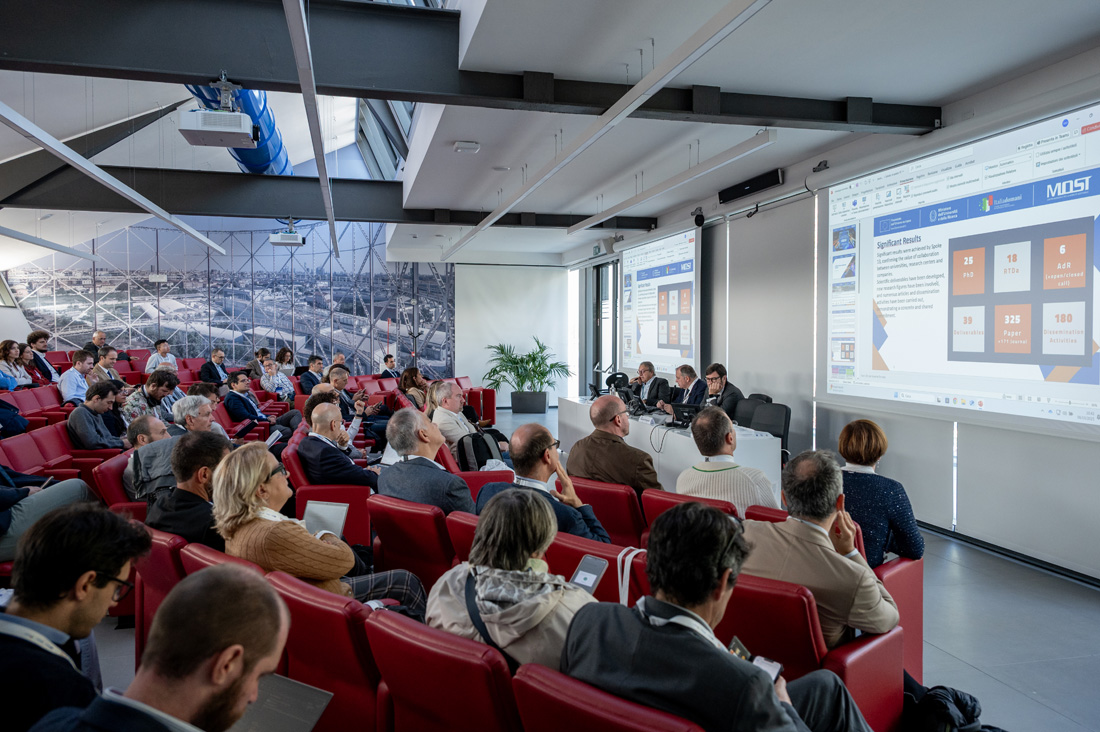
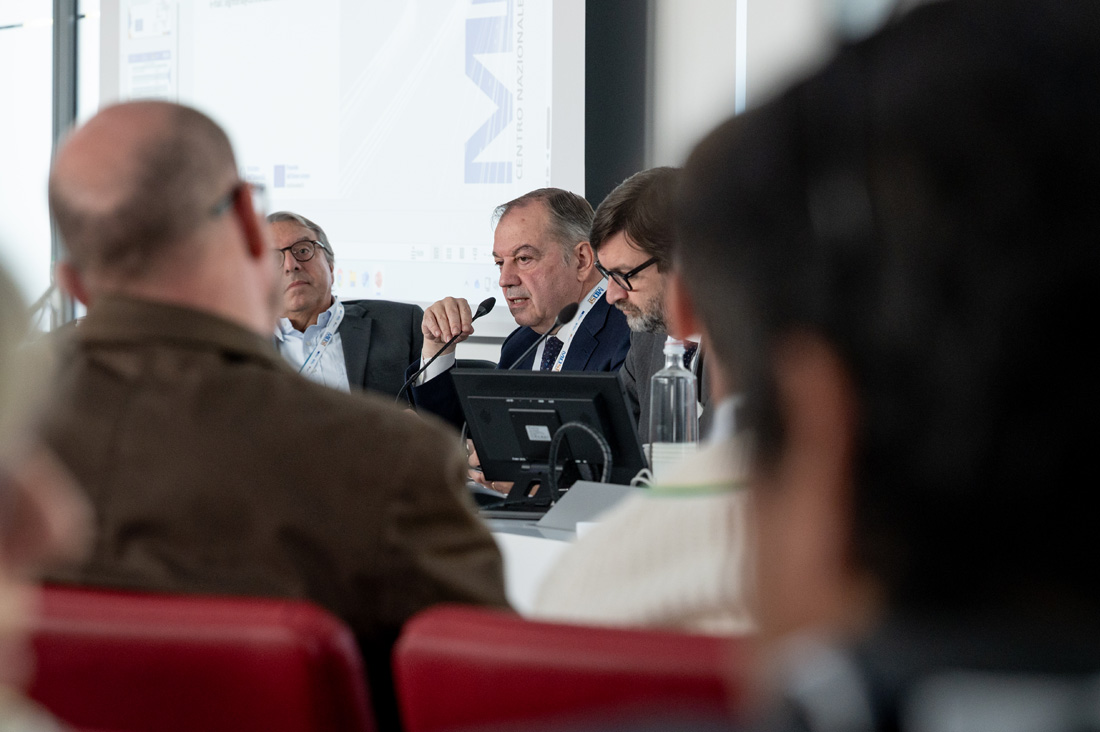
The day was structured around three round tables dedicated to the working projects (WPs) of the Spoke:
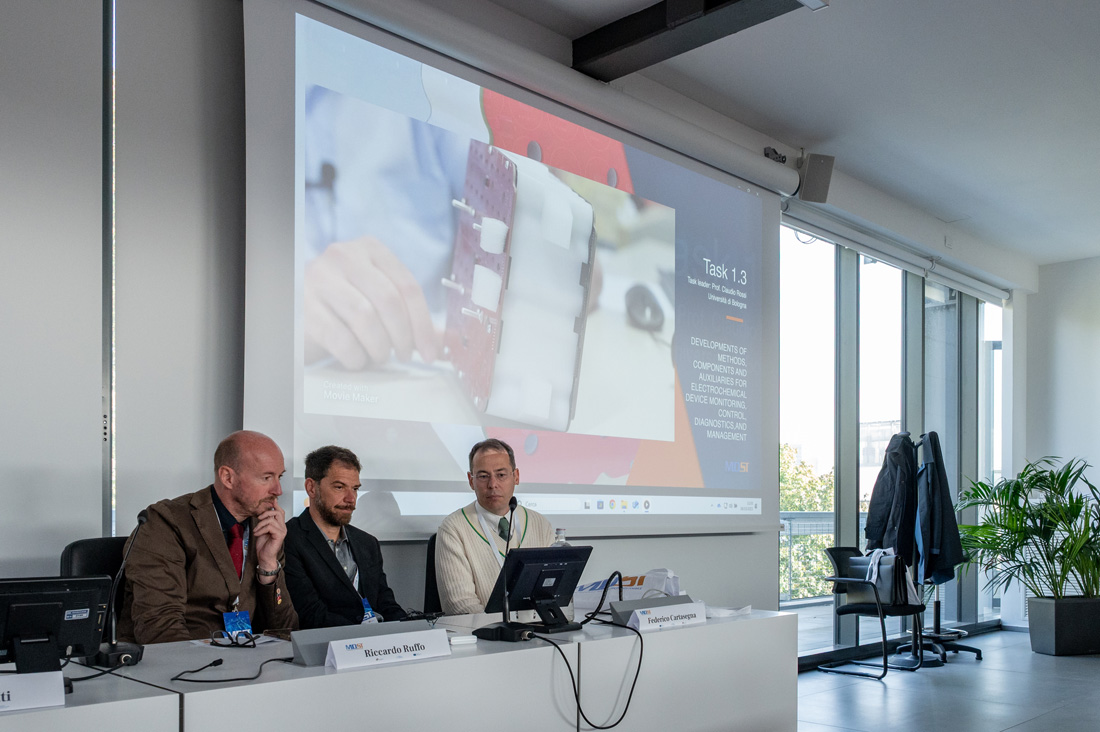
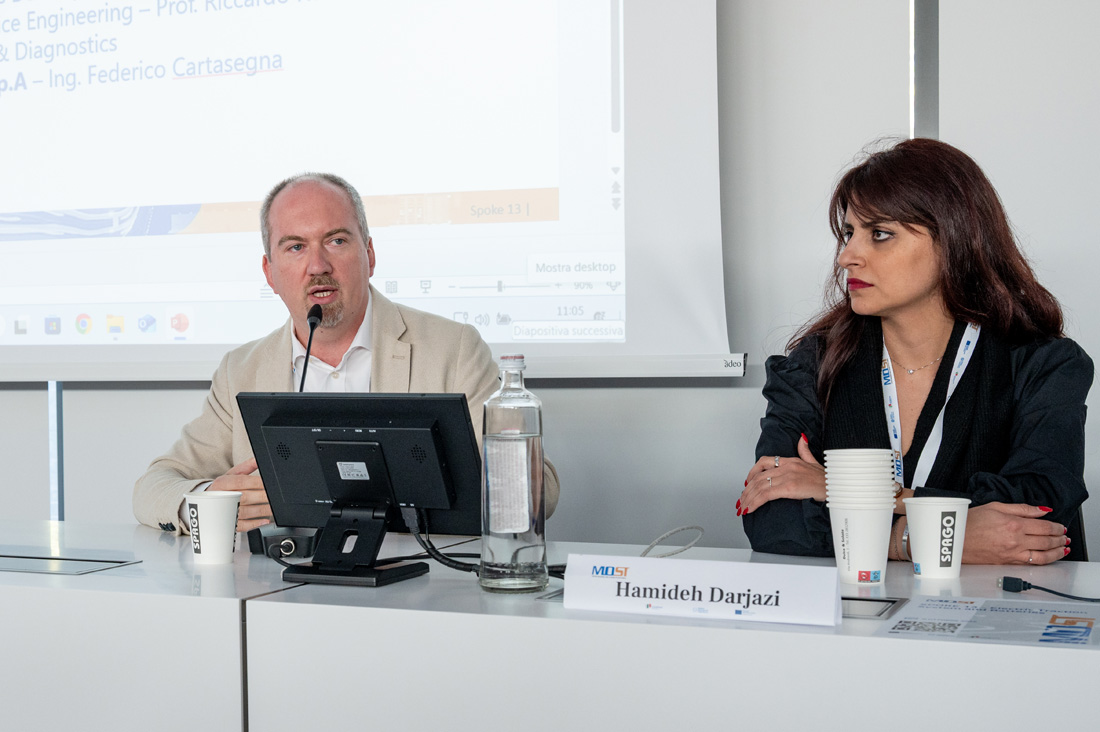
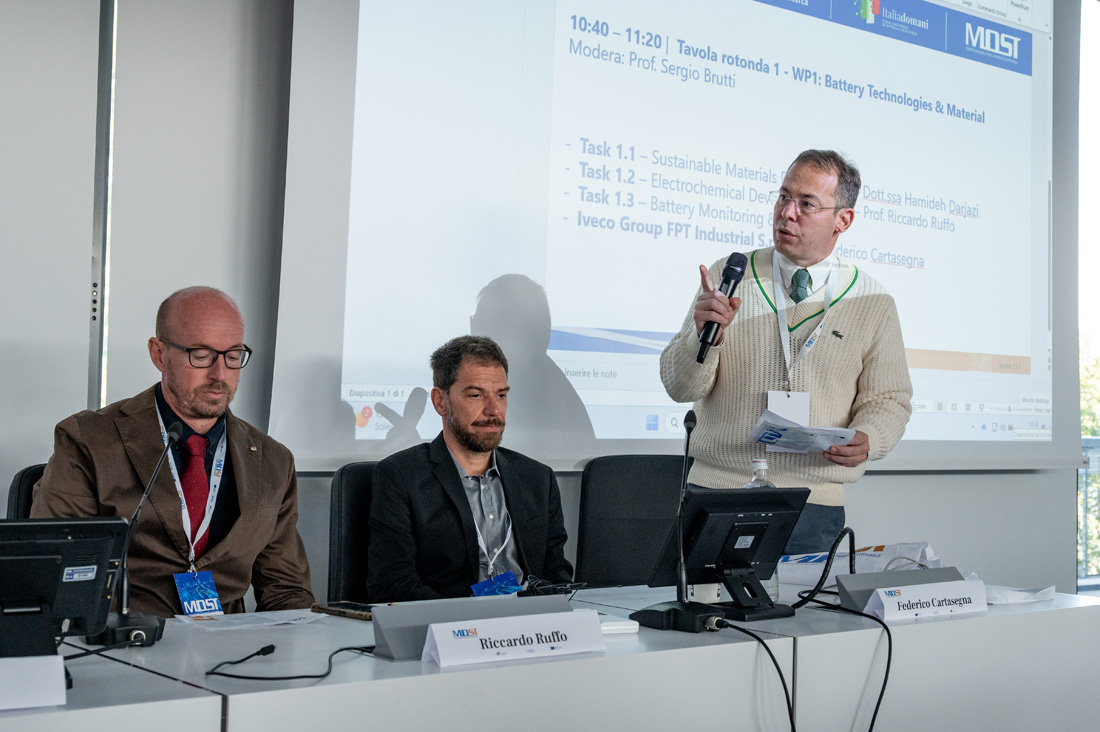
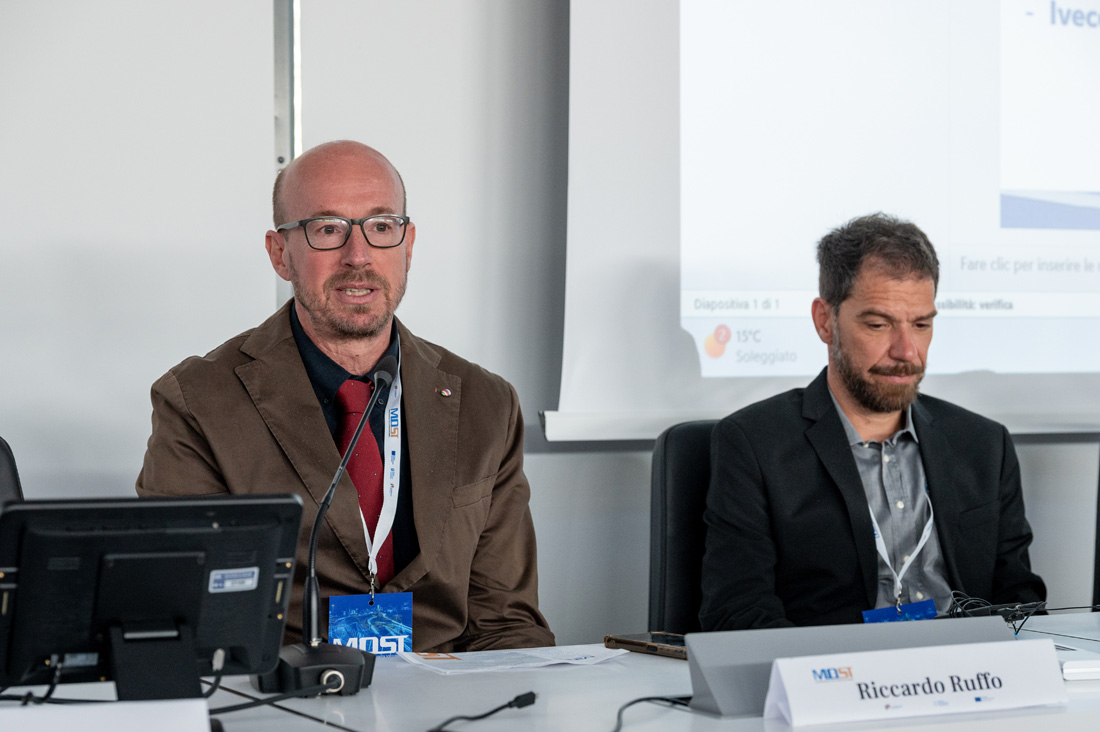
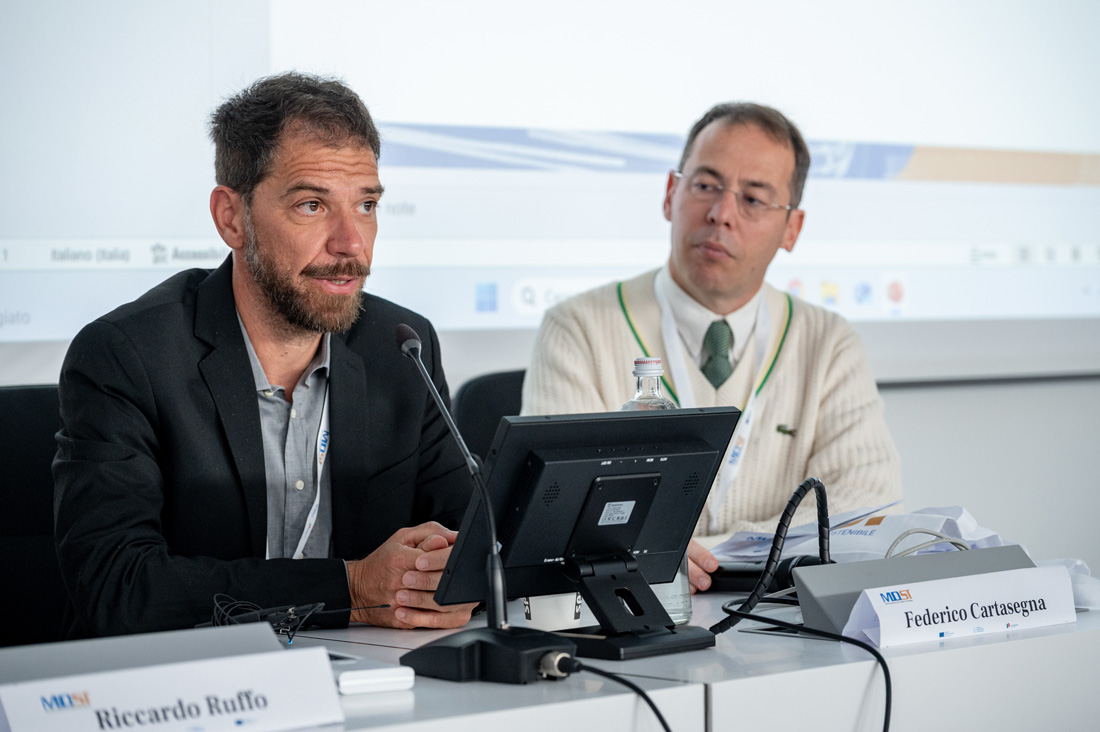
- WP1 – Battery Technologies & Materials, moderated by Sergio Brutti (Sapienza University of Rome), featured contributions from Emanuele Ogliari (Politecnico di Milano), Federico Cartasegna (Iveco Group FPT Industrial S.p.A.), and other academic and industrial experts. The discussions highlighted the importance of developing flexible algorithms and modular architectures for batteries based on new materials, capable of adapting to different applications and reducing dependence on lithium.
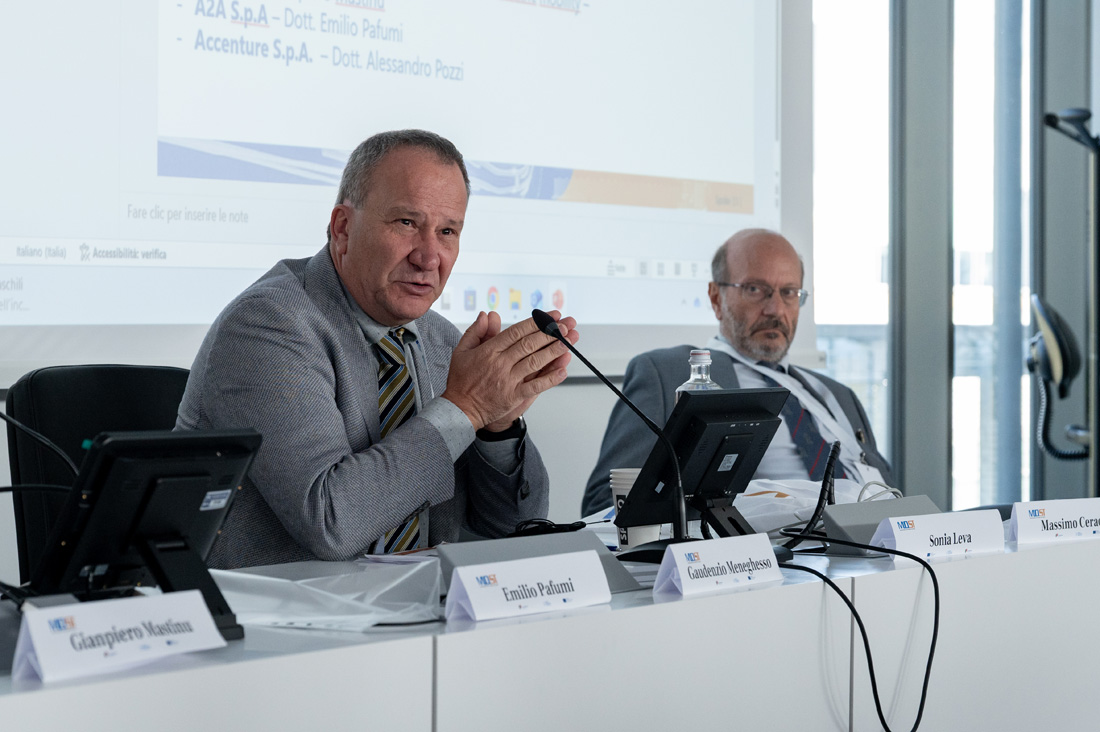
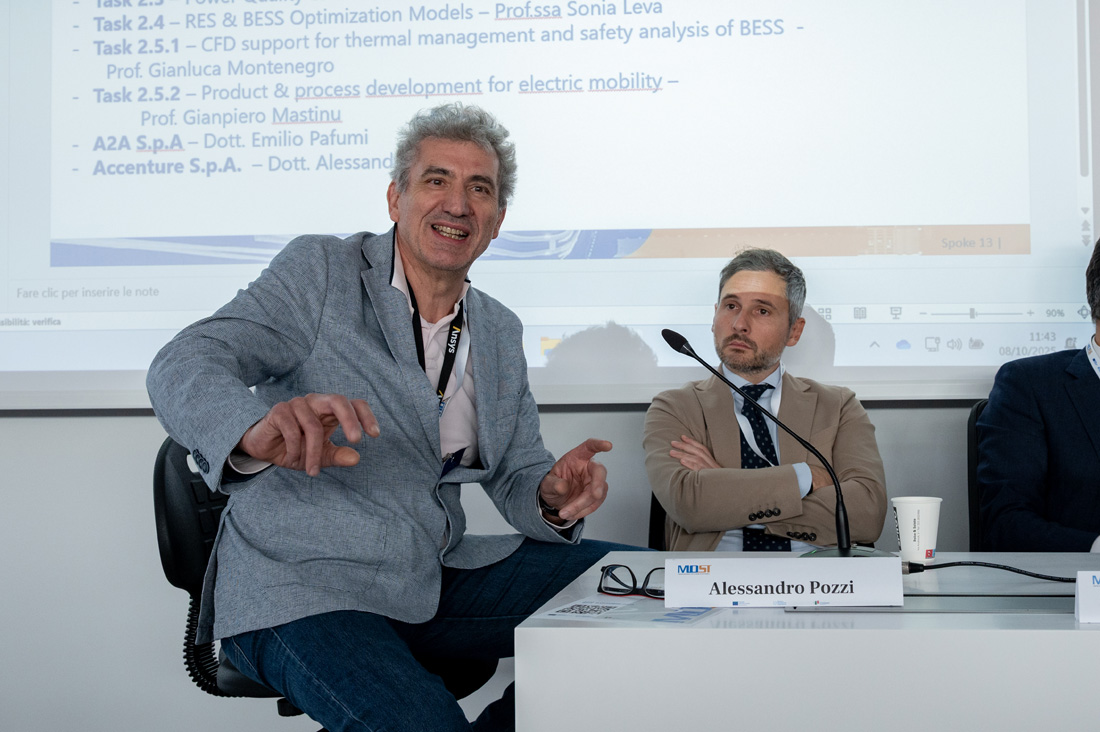
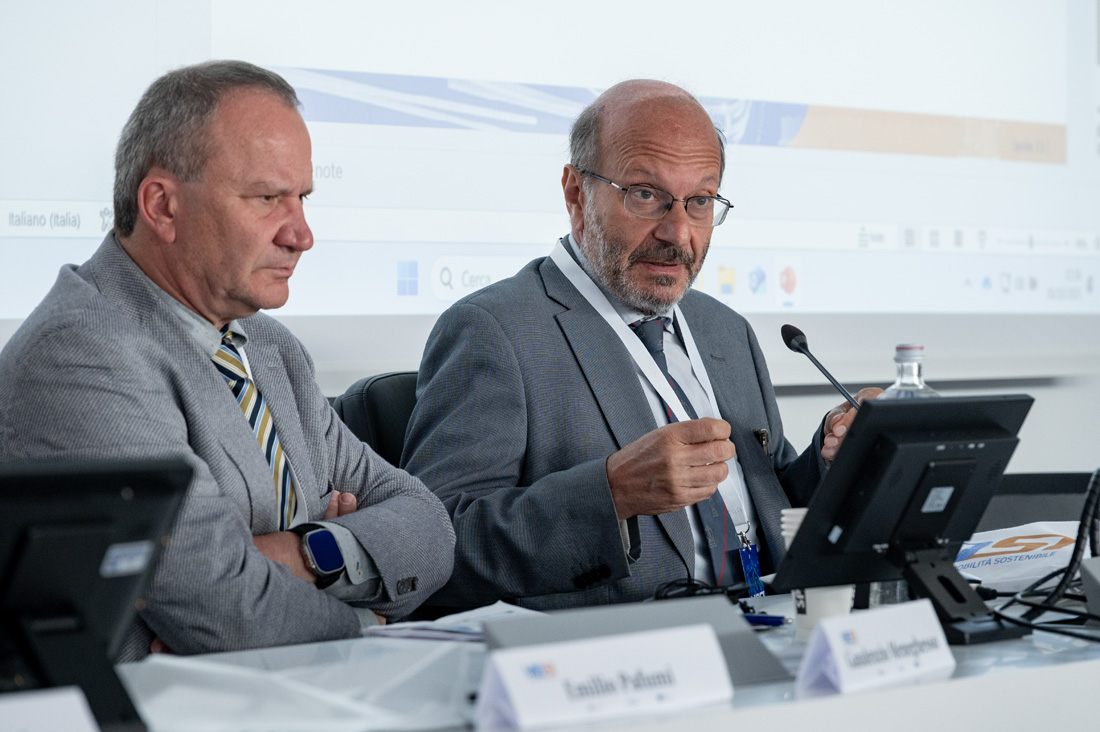
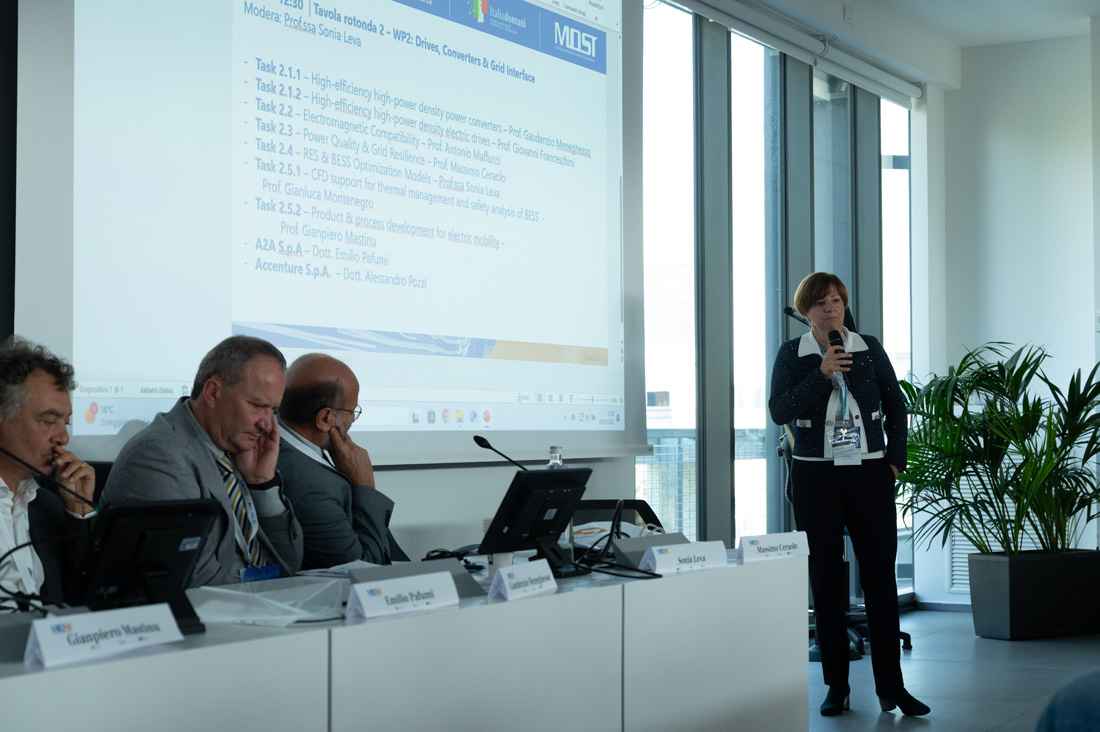
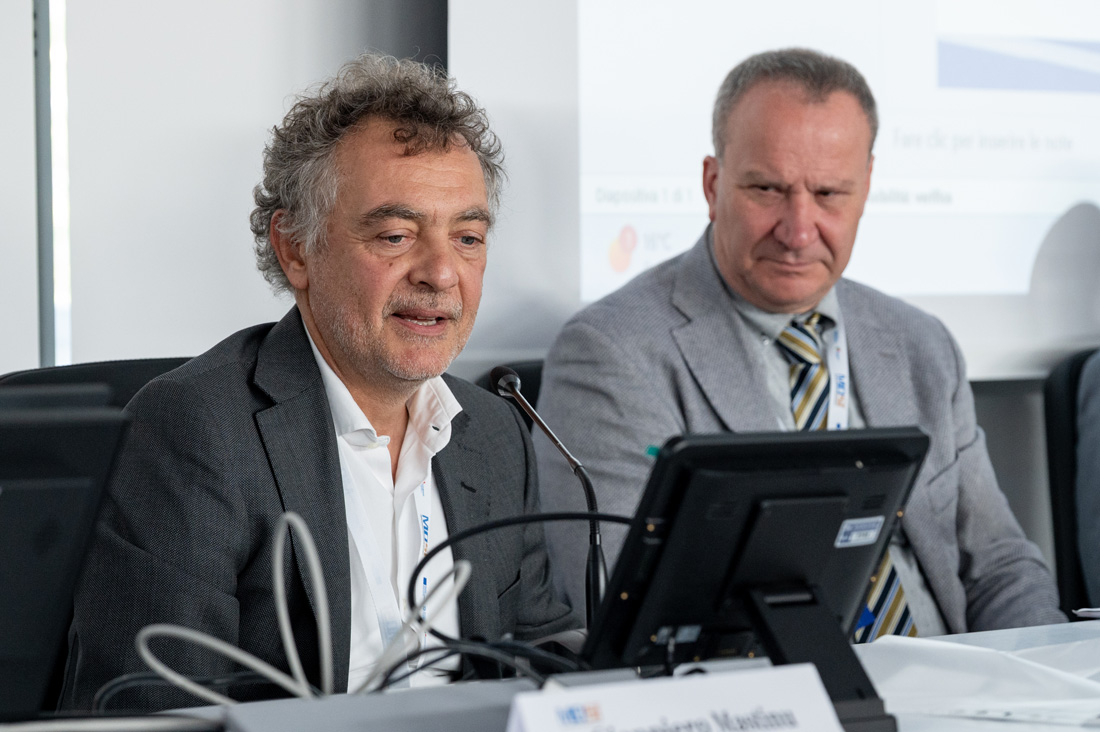
- WP2 – Drives, Converters & Grid Interface, moderated by Sonia Leva, Professor at the Politecnico di Milano and Deputy Spoke Leader, focused on electric traction technologies, grid integration, and the optimization of energy storage systems. Among the speakers were Gianluca Montenegro and Gianpiero Mastinu (Politecnico di Milano), Emilio Pafumi (A2A), and Alessandro Pozzi (Accenture), who emphasized the need for an interdisciplinary approach integrating electrical, mechanical, and electronic expertise.
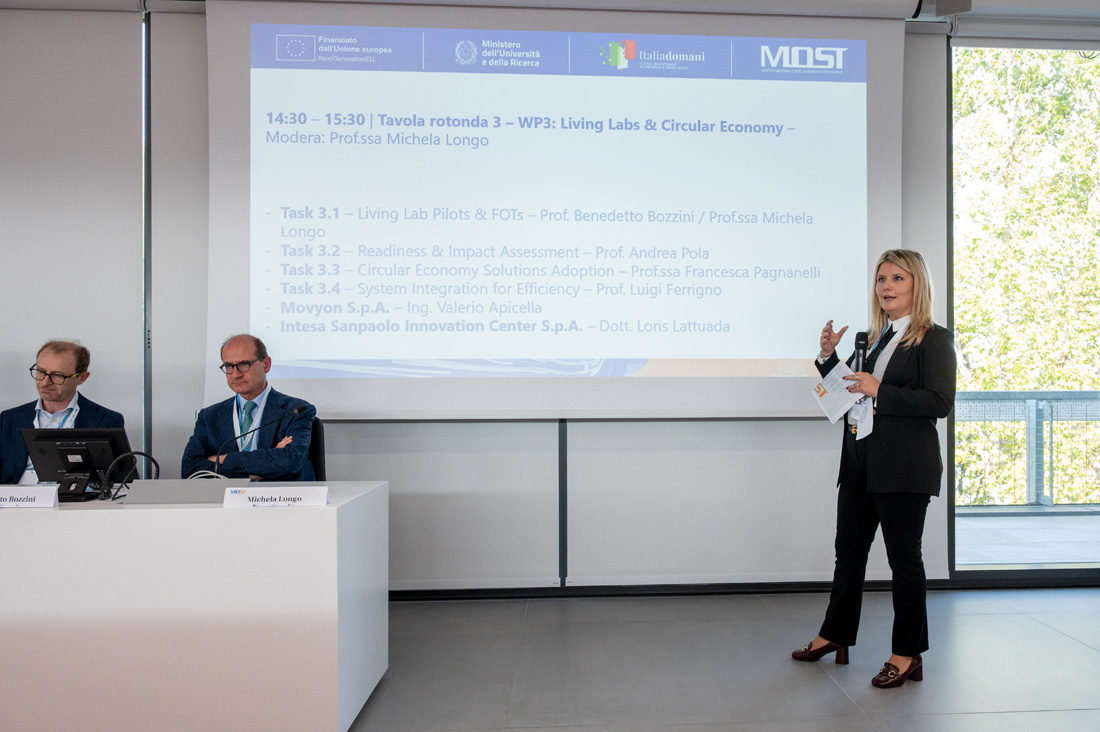
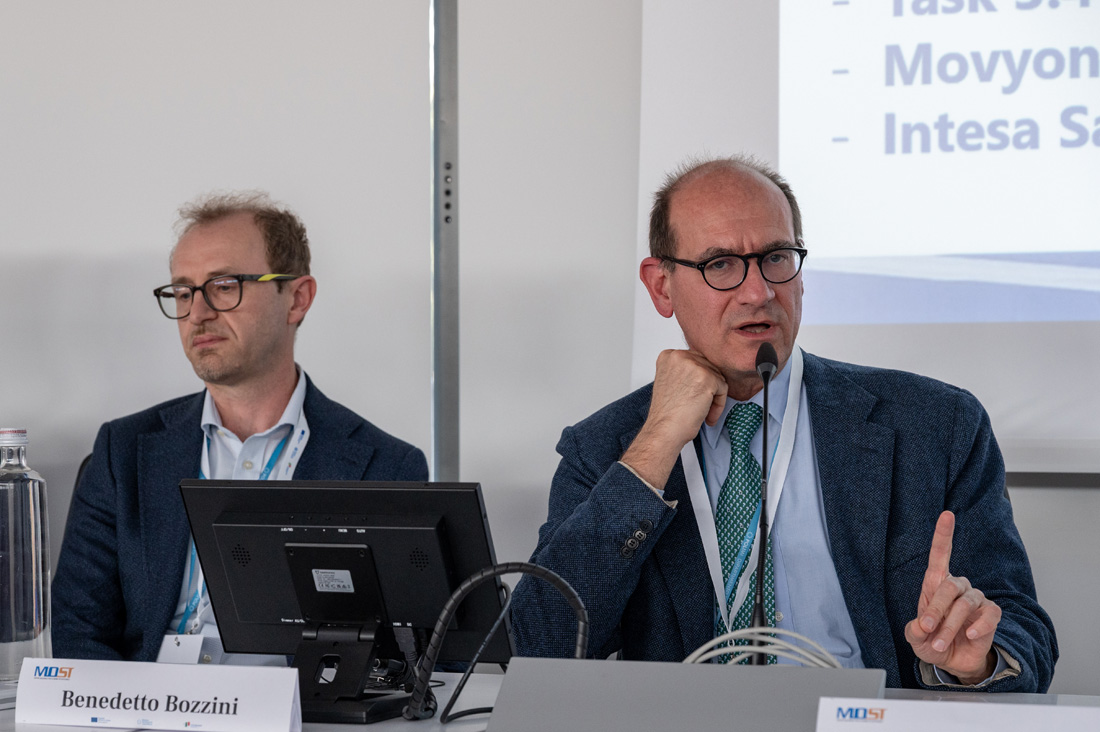
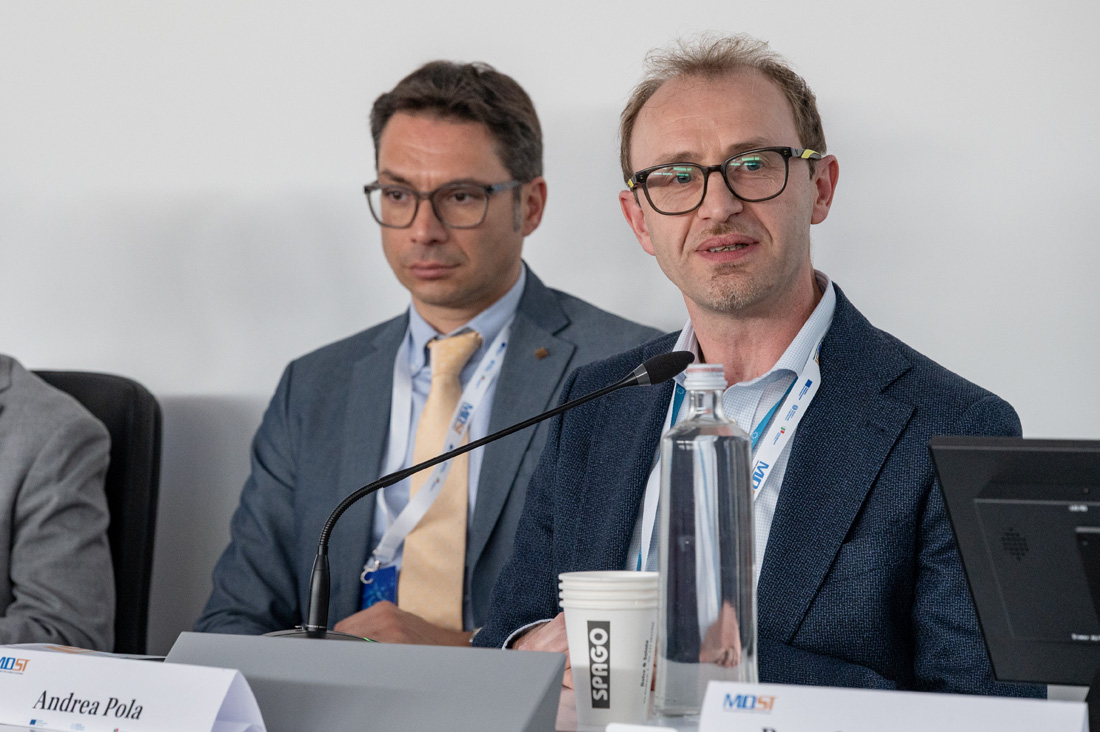
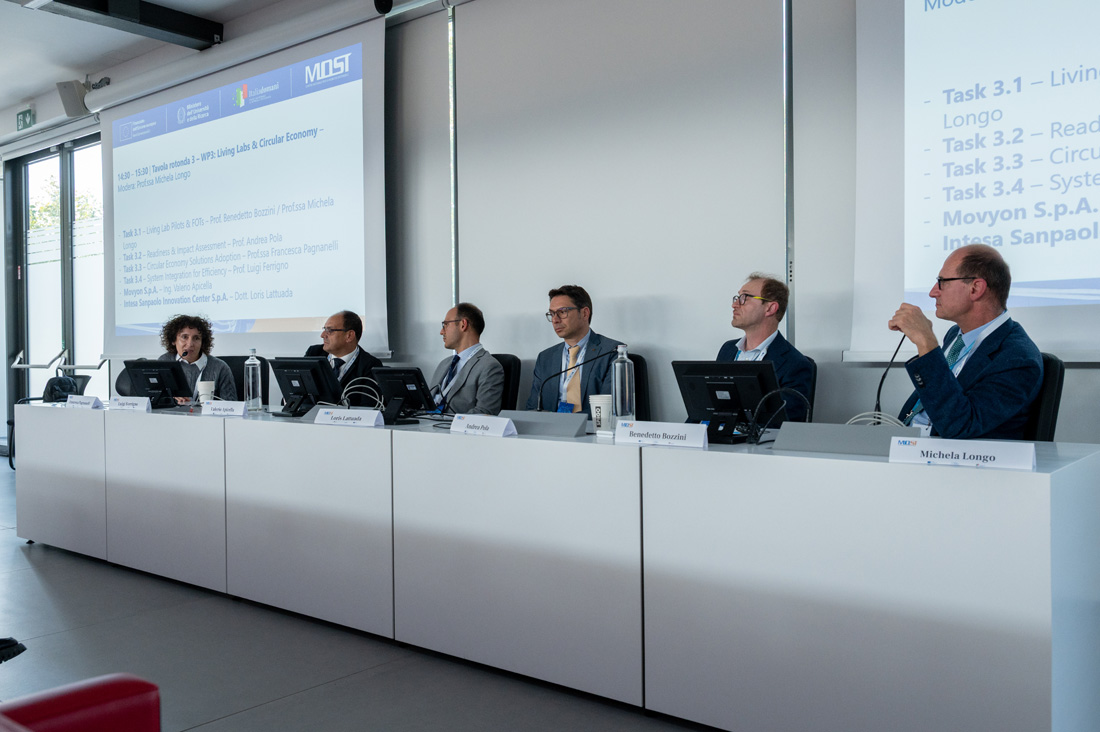
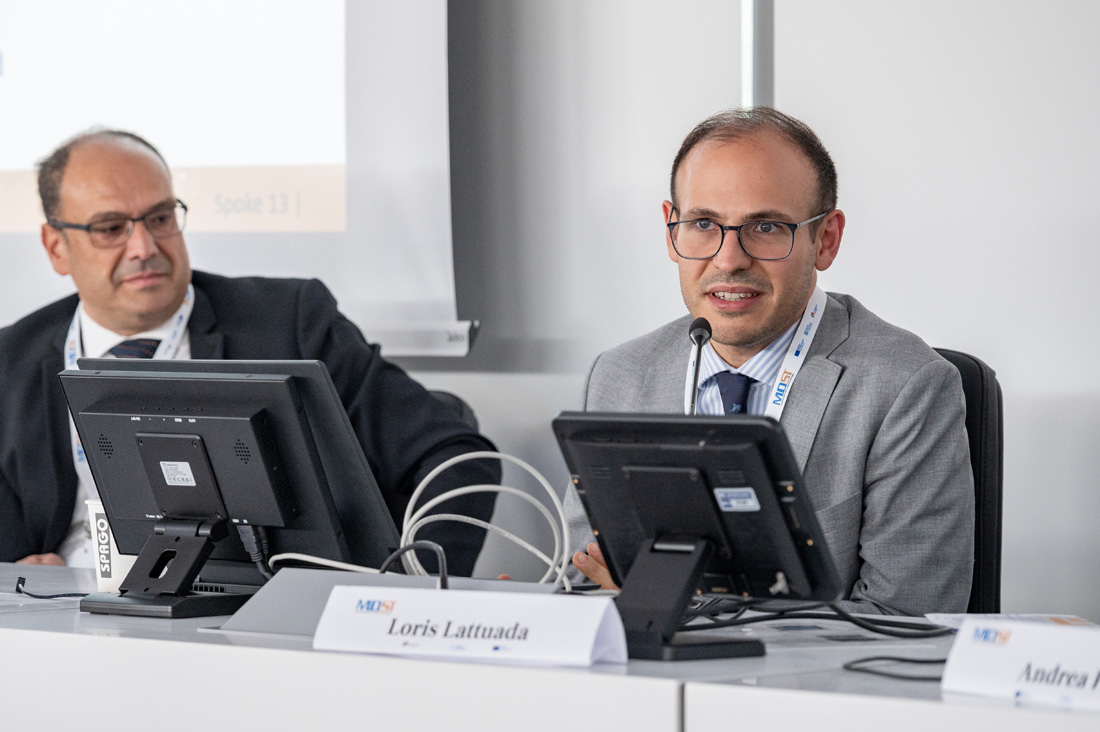
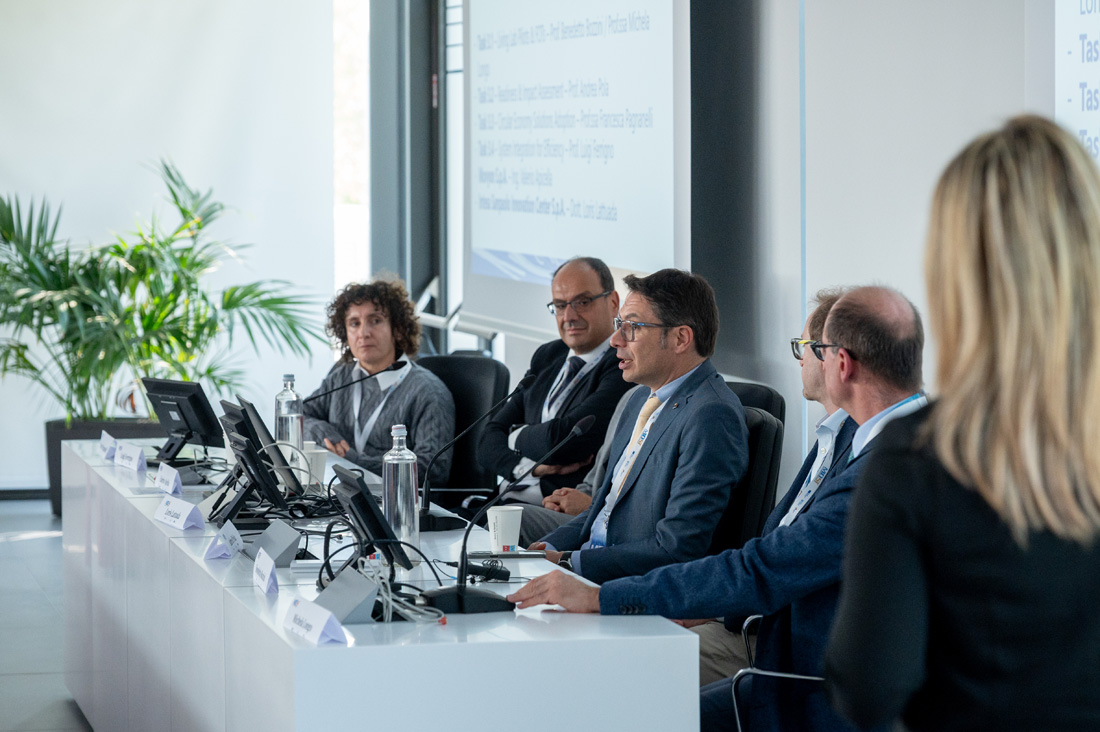
- WP3 – Living Labs & Circular Economy, moderated by Michela Longo, Professor at the Politecnico di Milano and Deputy Spoke Leader, addressed the economic and environmental sustainability of the battery supply chain and the application of the circular economy to electric mobility. Academic and industrial contributions included Benedetto Bozzini, Andrea Pola (Politecnico di Milano), Valerio Apicella (Movyon), and Loris Lattuada (Intesa Sanpaolo Innovation Center).
The meeting concluded with the closing remarks of Professor Zaninelli, who recalled the next national event of MOST, scheduled to take place in Rome on November 11–12, during which the final results of all 14 Spokes of the Center will be presented.
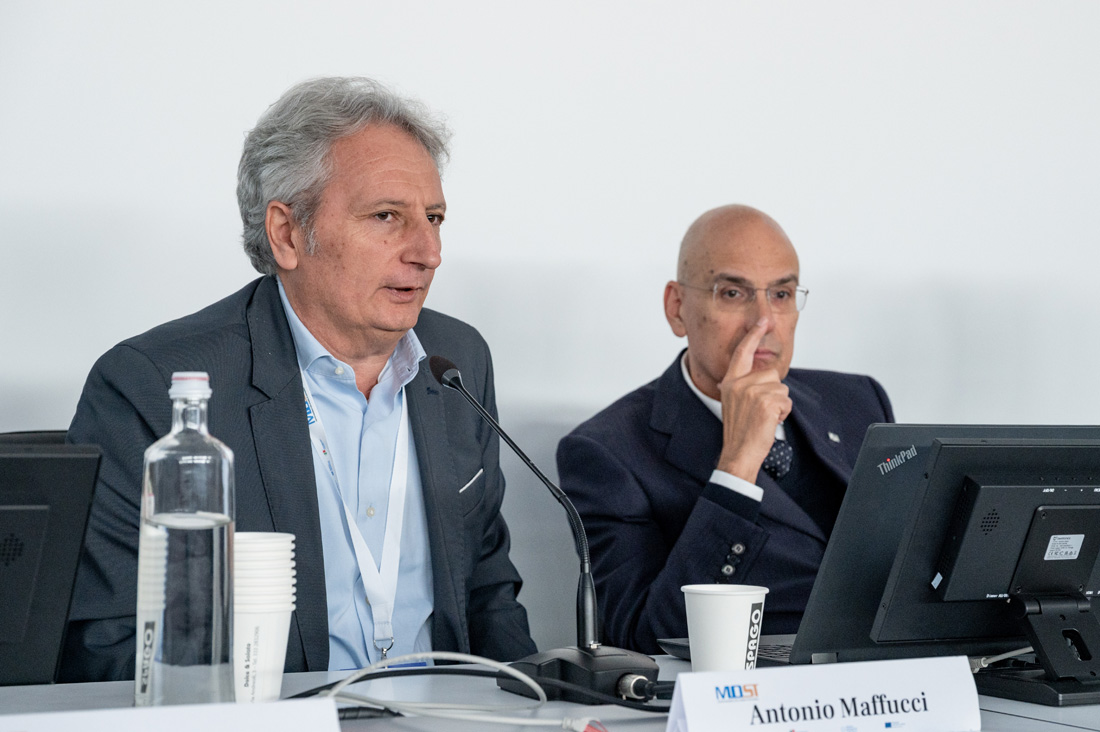
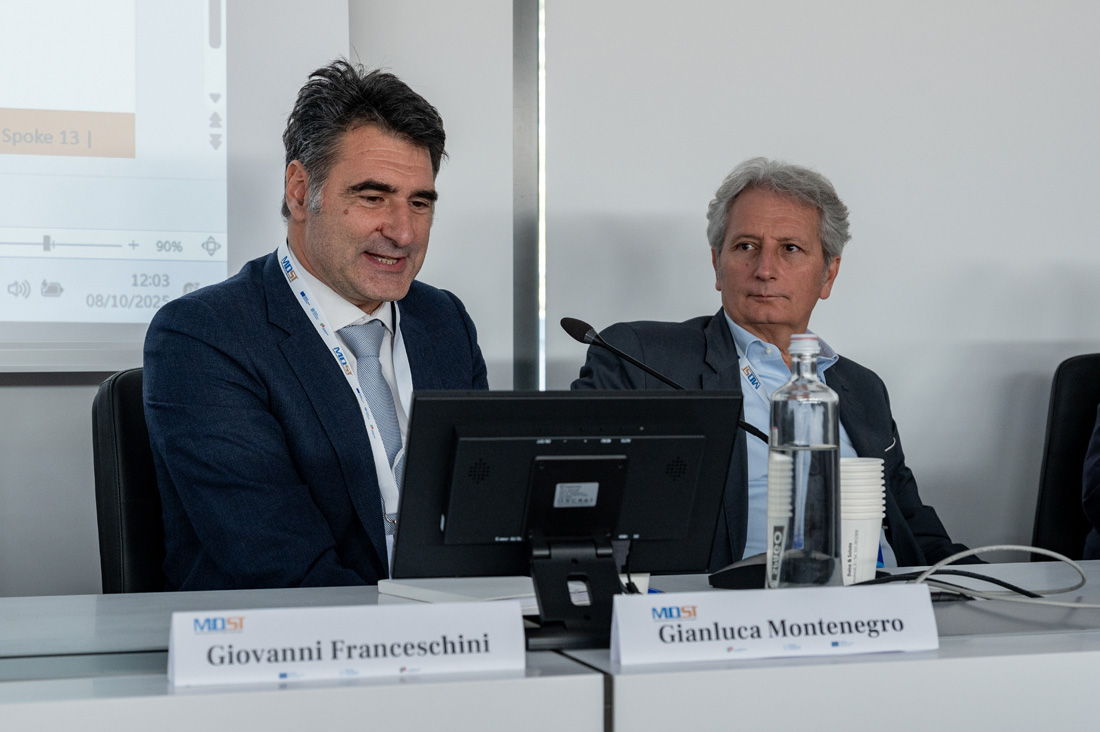
“The beginning was challenging: bringing together so many universities with different approaches is not easy. But working toward a common goal created a true synergy — the result was greater than the sum of its parts. Involving companies such as Iveco’s FPT was another step forward that can generate benefits in the future as well. I believe that the relationships built over these years can lay the foundation for a ‘MOST 2.’”
Giovanni Franceschini, University of Modena and Reggio Emilia
MOST - National Center for Sustainable Mobility,
Article by Edoardo Moneta
Photos by Gregorio Chiarenza