POLICAP inaugurated, the mobile laboratory of the Department of Energy for CO₂ capture
In Piacenza, a new research infrastructure of the Politecnico di Milano has been established to reduce industrial CO₂ emissions.
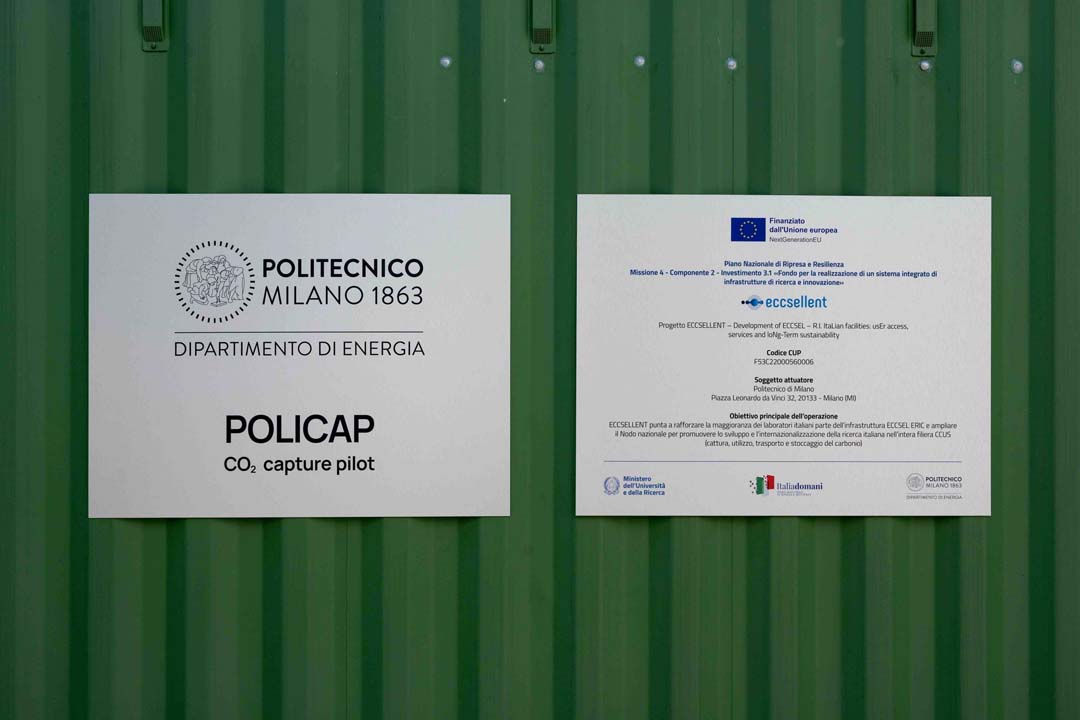
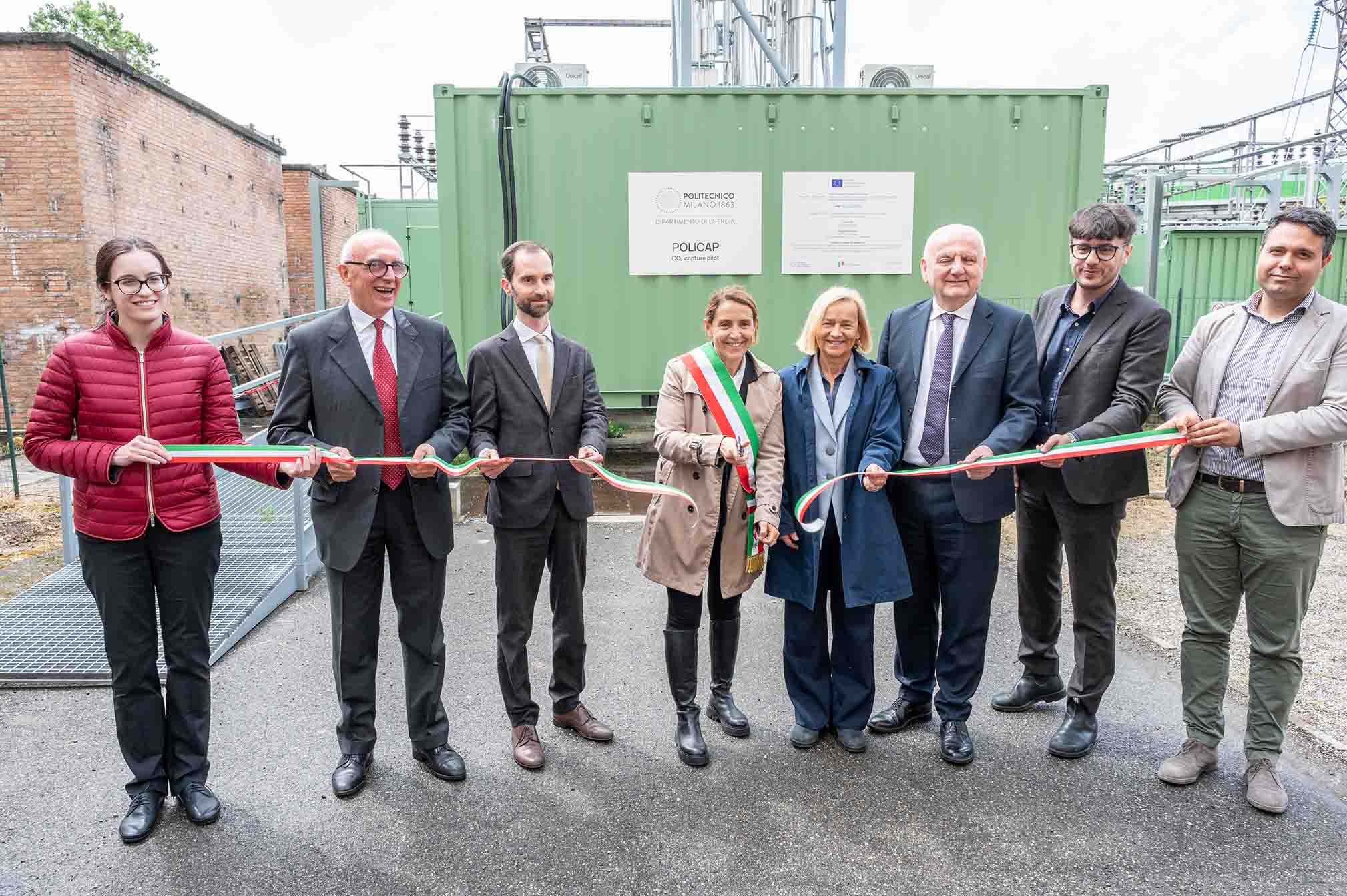
It was inaugurated on 6 May in Piacenza: POLICAP – Mobile pilot laboratory for CO₂ capture using solvents, a new research infrastructure of the Department of Energy at the Politecnico di Milano dedicated to the development, testing, and validation of post-combustion carbon dioxide capture technologies.
The laboratory is part of the national ECCSELLENT project, funded by the Italian National Recovery and Resilience Plan (PNRR), with the aim of strengthening the Italian network of research and innovation infrastructures in the field of CCUS – Carbon Capture, Utilization and Storage. The laboratories involved are part of the European ECCSEL-ERIC network, which integrates infrastructures dedicated to the capture, transport, storage, and utilization of CO₂.
The role of the Department of Energy
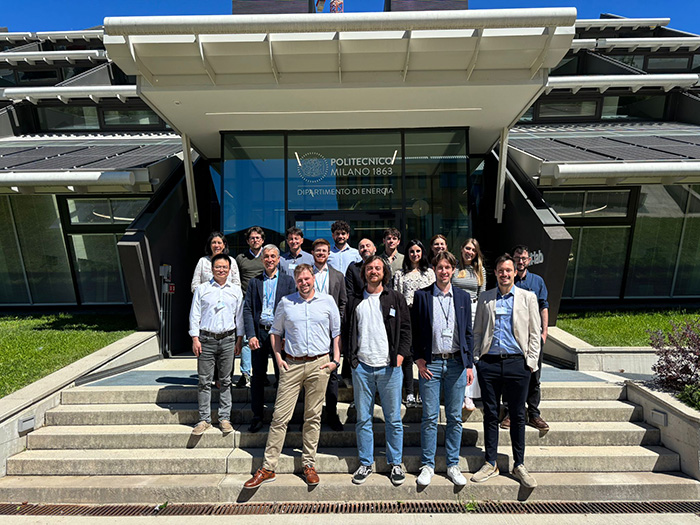
POLICAP was conceived, designed, and will be managed by a technical and scientific team from the Department of Energy, led by Professors Manuele Gatti and Matteo Carmelo Romano, the scientific coordinators of the laboratory, with the contribution of Valeria Venturelli, Riccardo Cremona, and Antonio Conversano.
The project confirms the Department’s role as a centre of expertise for applied research on industrial decarbonization technologies, with strong integration between experimental activities, process modelling, and technology transfer to the industrial sector.
Through POLICAP, the Department provides the scientific and industrial community with an advanced experimental platform to study processes, components, and materials for CO₂ capture, contributing to the development of more efficient, flexible, and sustainable solutions.
A mobile plant for testing CO₂ capture in real industrial sites
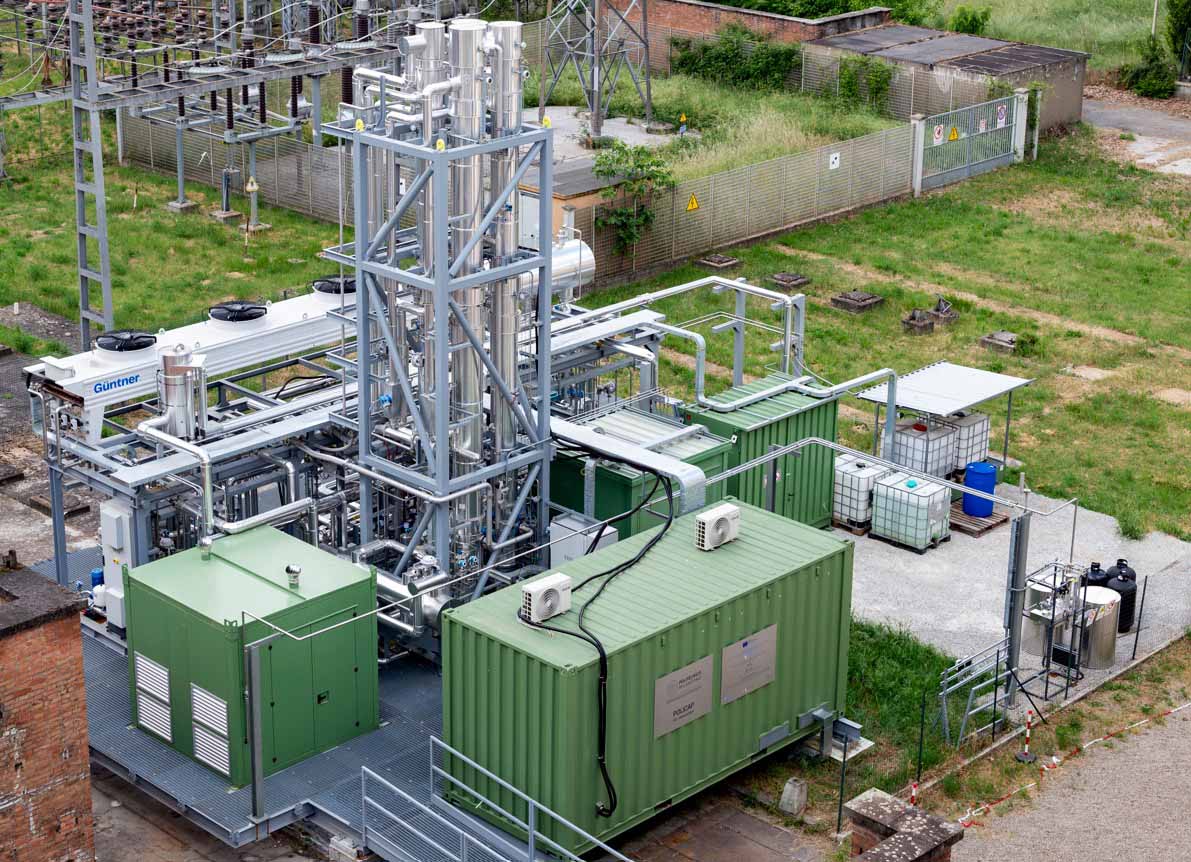
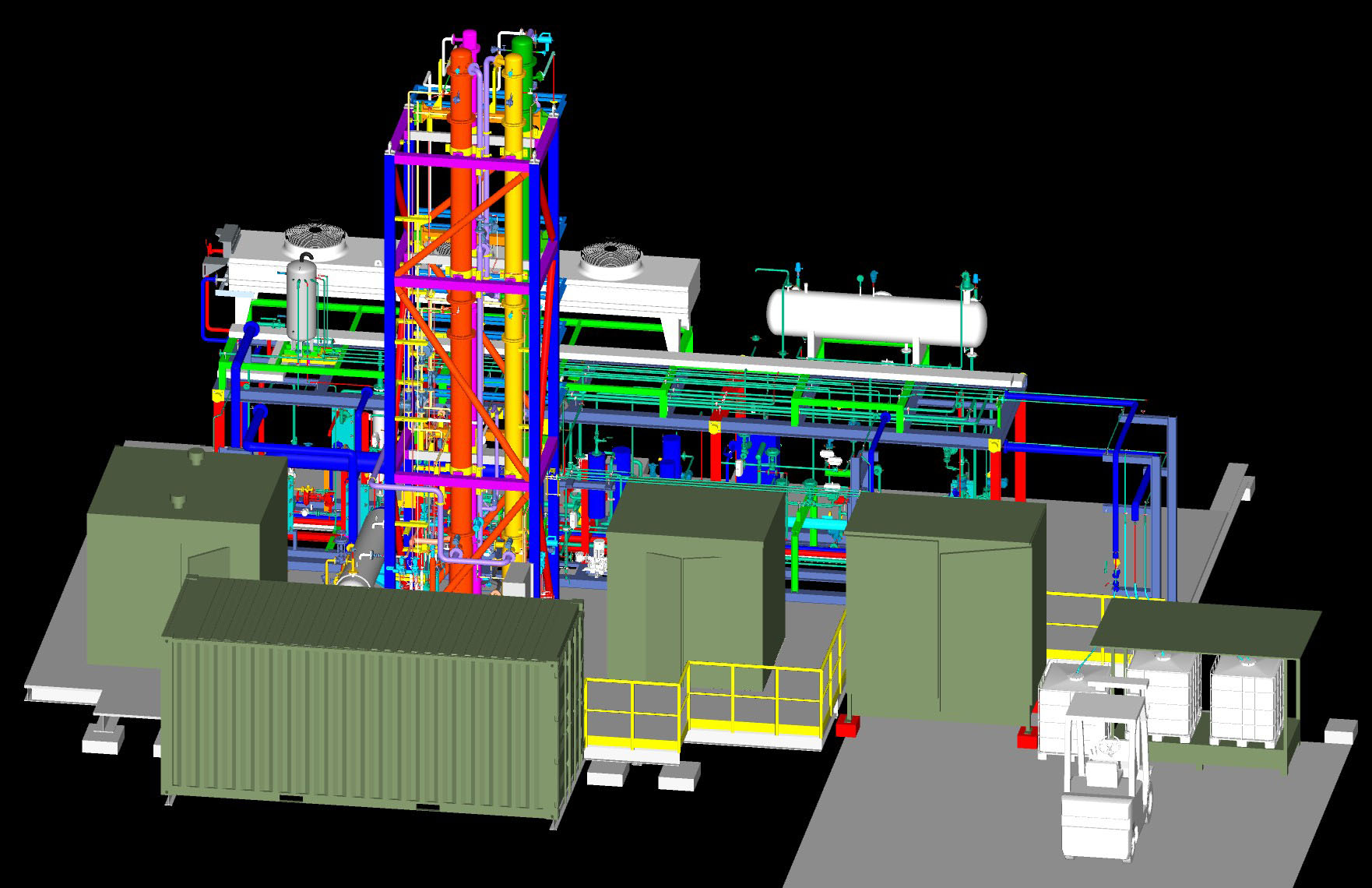
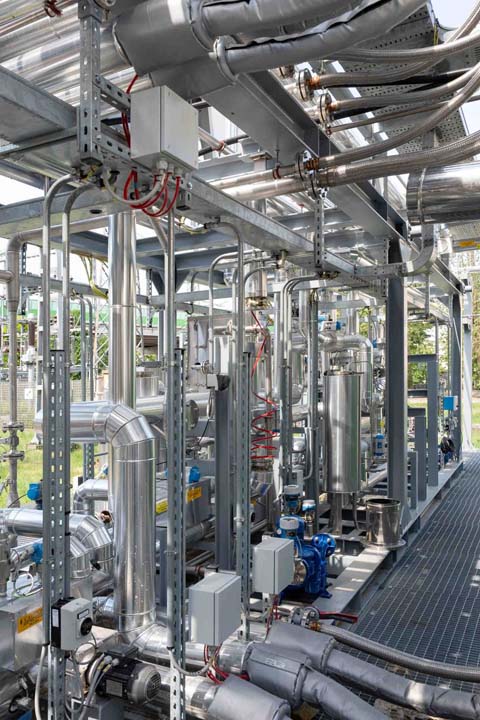
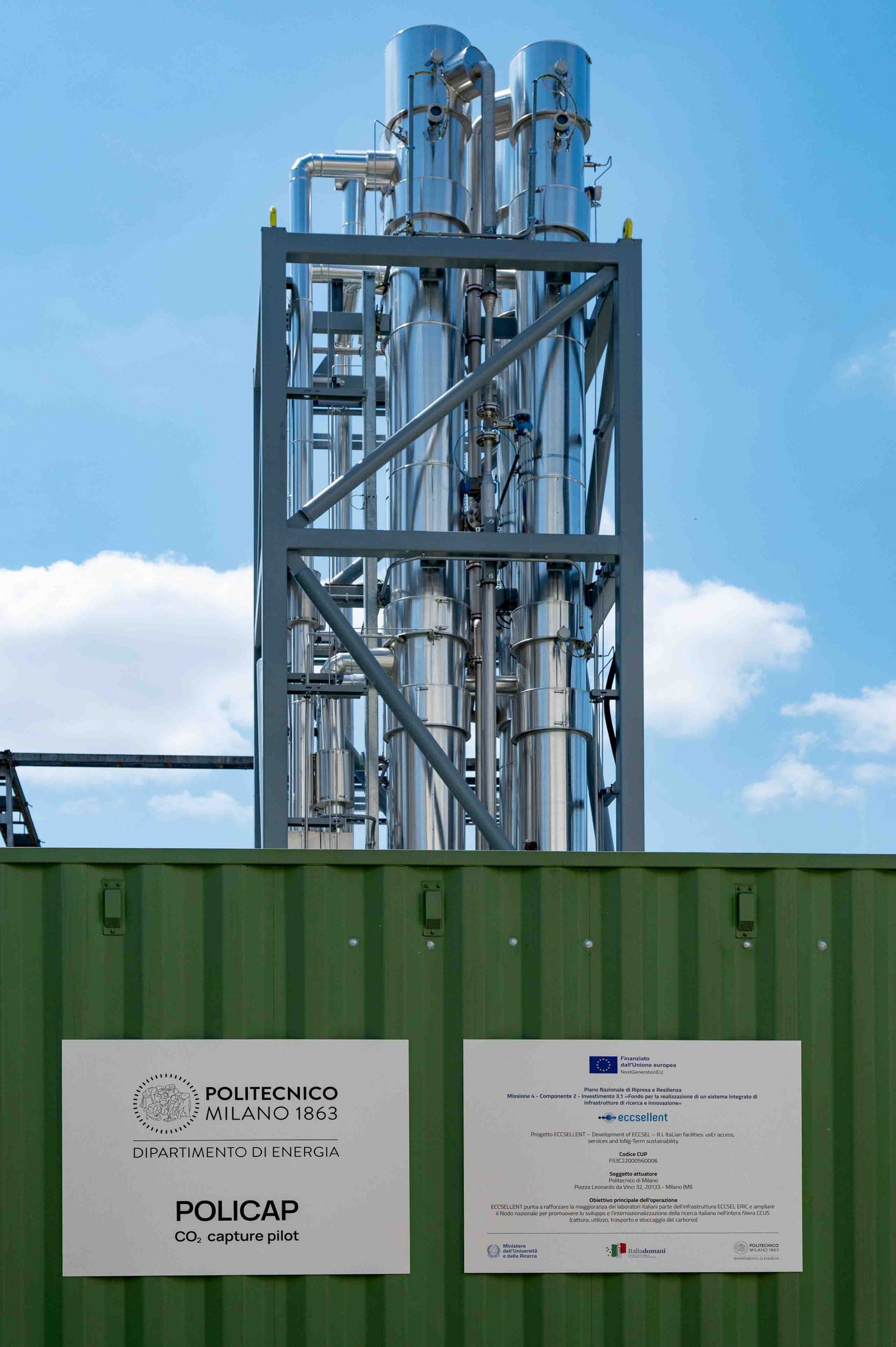
From an engineering perspective, POLICAP is a skid-mounted and containerized mobile pilot plant designed to test CO₂ capture via absorption using chemical solvents, both conventional and innovative.
Its transportable configuration allows installation at real industrial sites and enables operation not only with synthetic gas mixtures but also with flue gases and emission streams from existing production plants. This feature makes the laboratory particularly relevant for the development of solutions targeting hard-to-abate industries, such as cement plants, steelworks, chemical plants, and waste-to-energy facilities.
Technical characteristics of the POLICAP laboratory
The plant is designed to handle gas flow rates between 50 and 180 Nm³/h, with inlet CO₂ concentrations ranging from 4% to 20%, and a capture capacity of up to approximately 30 kg/h.
The configuration includes four main sections:
gas pre-treatment and cooling via a Direct Contact Cooler;
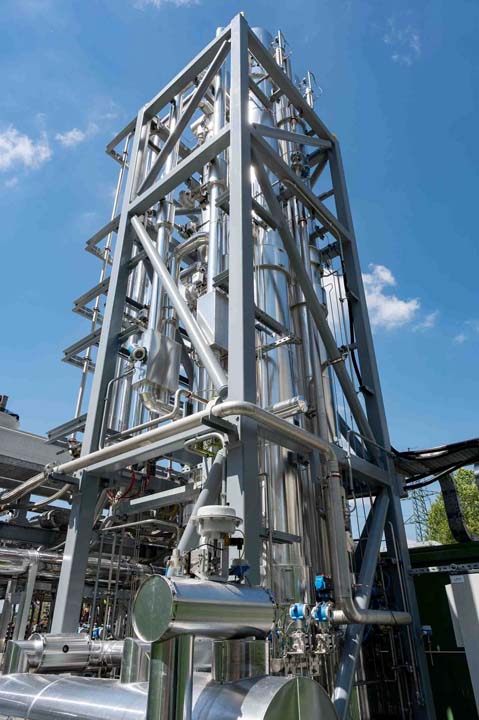
absorption section with packed-bed columns;
heat exchange section;
solvent regeneration in a stripper, capable of operating at different pressures.
The absorption unit is designed to provide high operational flexibility, including the possibility of working with different packing heights. This allows test conditions to be adapted to the type of solvent, the composition of the treated gases, and the experimental objectives.
Solvents, digital models, and CCUS technologies
One of POLICAP’s distinguishing features is its ability to operate at technology readiness levels representative of industrial applications, in particular TRL 6–7, while maintaining the flexibility needed to test new materials, components, and process configurations.
The laboratory will enable testing of both conventional solvents, supporting the transfer of near-commercial technologies to industry, and innovative solvents aimed at improved performance from technical, energy, economic, and environmental perspectives.
Research activities will focus in particular on the demonstration and optimization of capture processes under representative operating conditions, the accurate reconstruction of mass and energy balances, the study of solvent stability and degradation, energy efficiency analysis, and the validation of advanced digital models.
The experimental data generated by the plant will be used to develop and calibrate numerical process models. The goal is to provide solid scientific and technical foundations for the scale-up and industrialization of CCUS technologies.
An advanced experimental platform for research and industry
POLICAP is equipped with advanced instrumentation for process monitoring and analysis, including flow meters, temperature, pressure, and pH sensors, FTIR spectrometers for continuous analysis of gas and solvent composition, and titration systems.
This equipment enables detailed characterization of plant behaviour and the production of high-reliability experimental data, essential for evaluating performance, energy consumption, and potential for industrial-scale application.
Contribution of scientific and industrial partners
Several industrial and scientific partners contributed to the development of POLICAP. The plant was engineered, manufactured, installed, and commissioned by Tecno Project Industriale (TPI), an Italian company within the SIAD Group active in the CCUS sector.
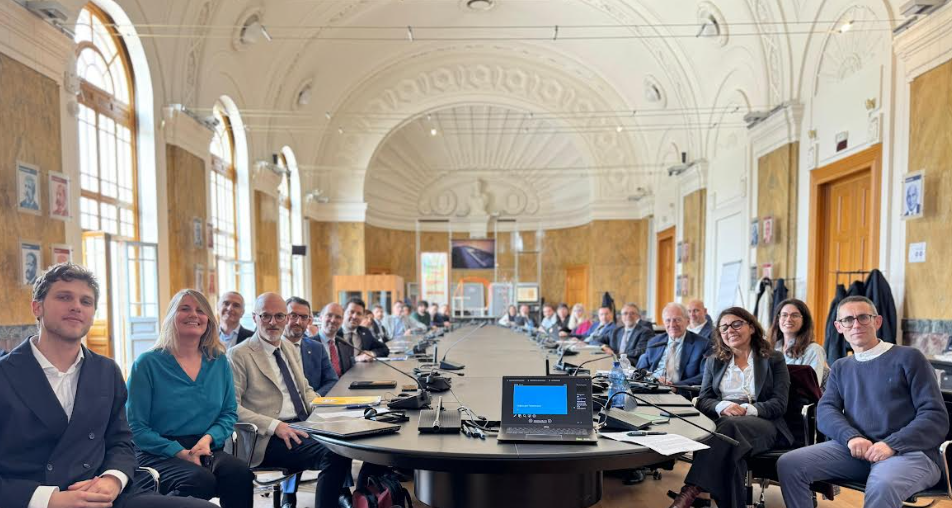
The ECCSELLENT project is coordinated by the National Institute of Oceanography and Applied Geophysics (OGS) and involves, in addition to the Politecnico di Milano, the National Research Council (CNR), ENEA, and the University of Bologna. The funding is supported by the European Union under the NextGenerationEU programme.
The inauguration in Piacenza
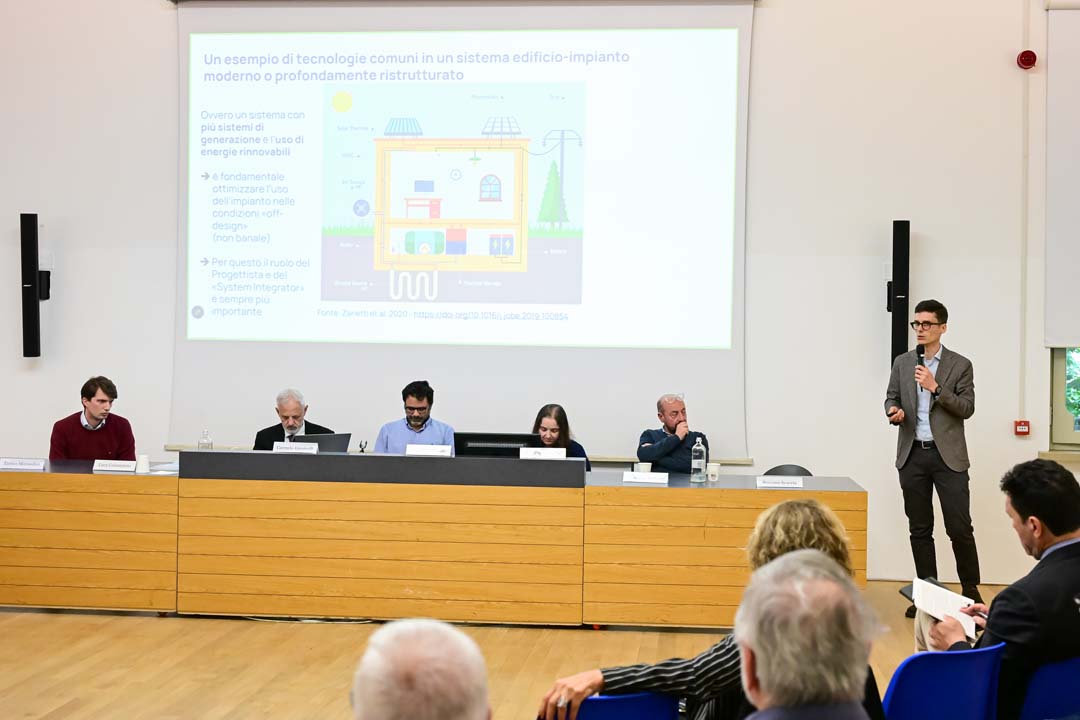
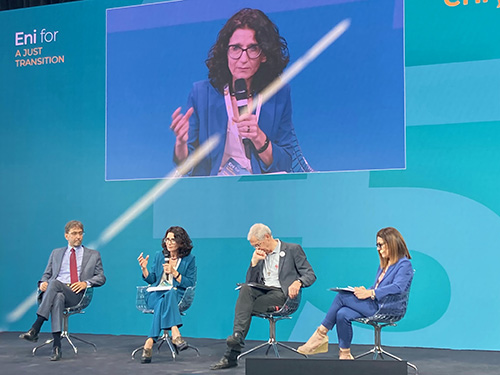
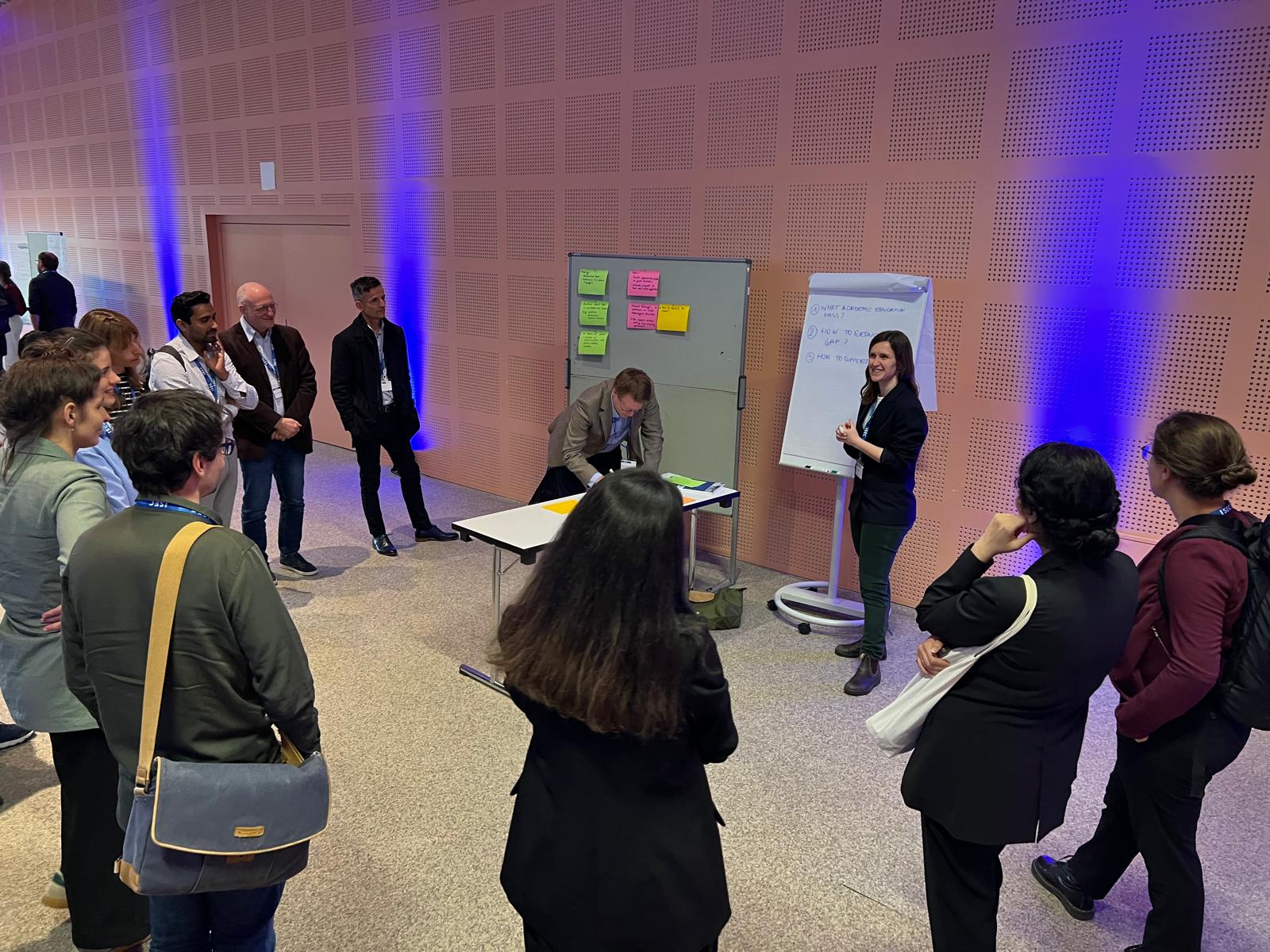
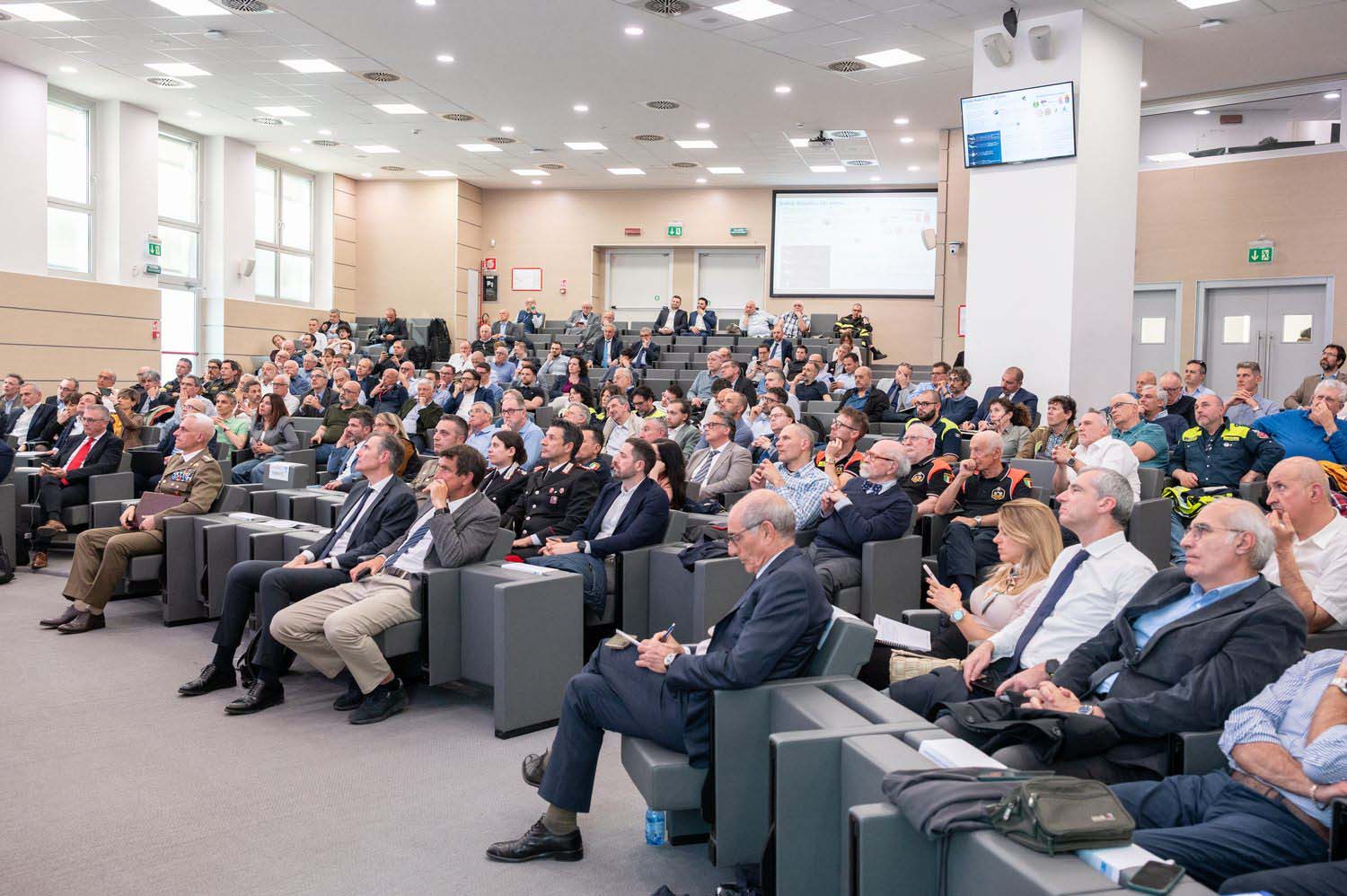
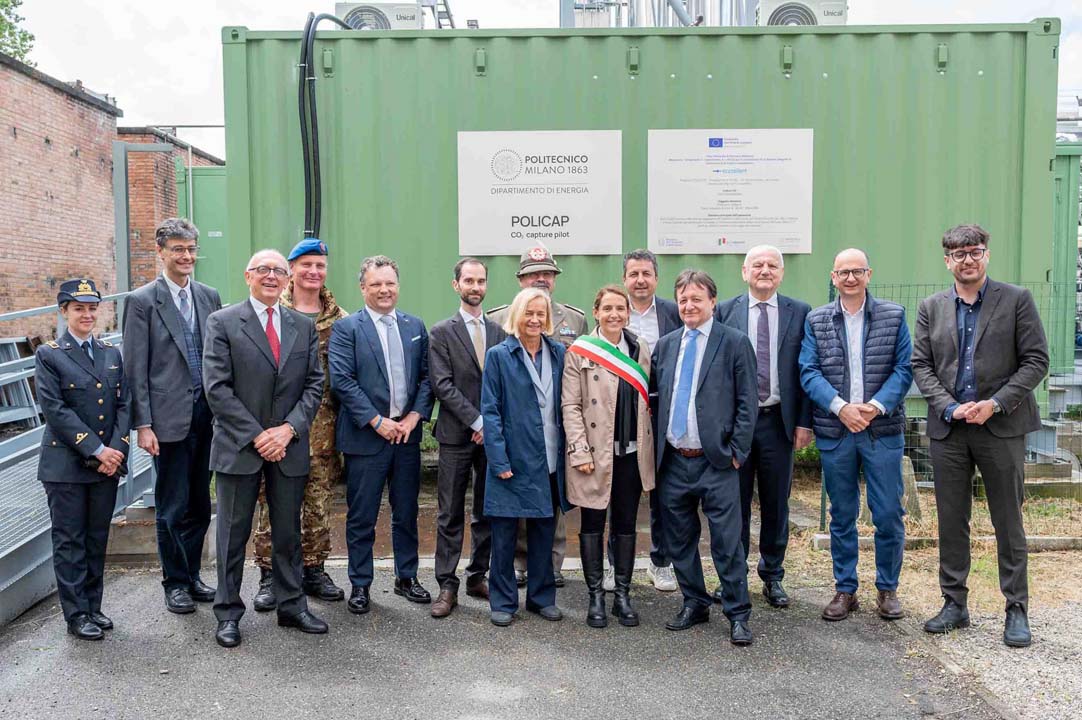
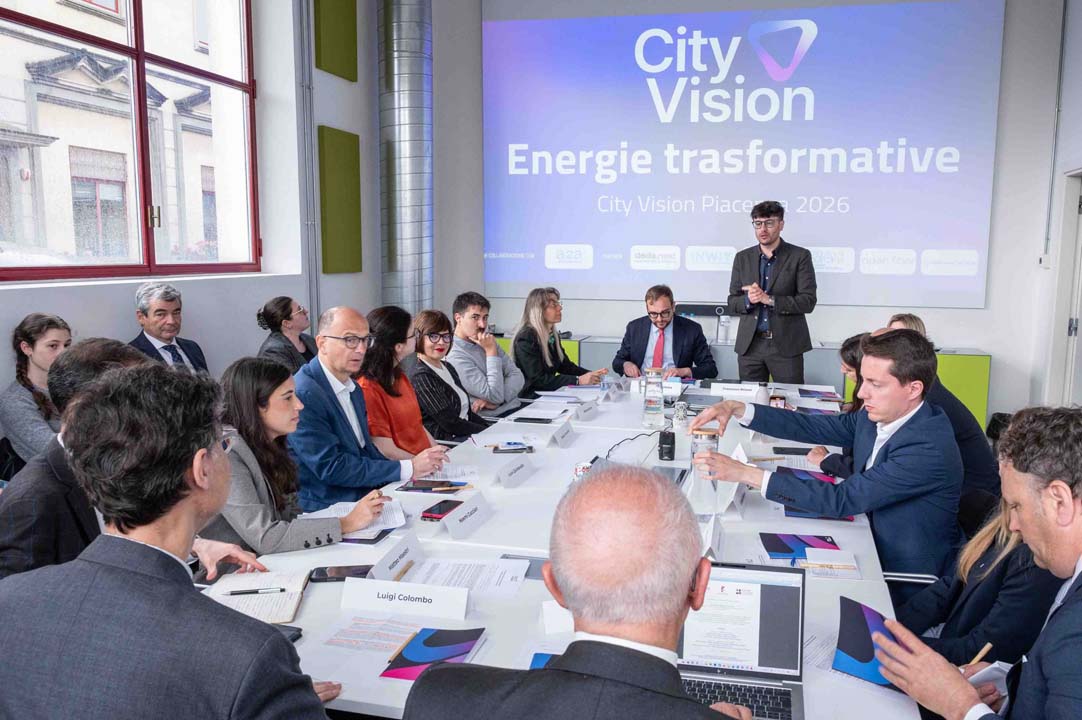
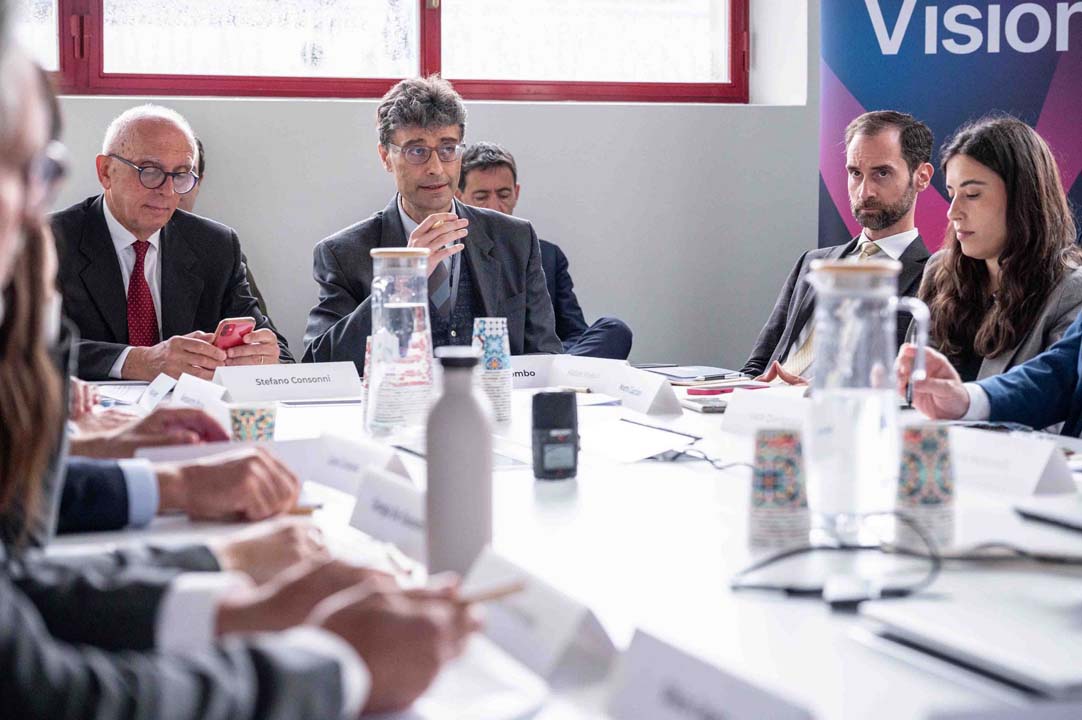
The inauguration took place during the fourth stage of the 2026 City Vision Roadshow, dedicated to the theme “Transformative Energies”.
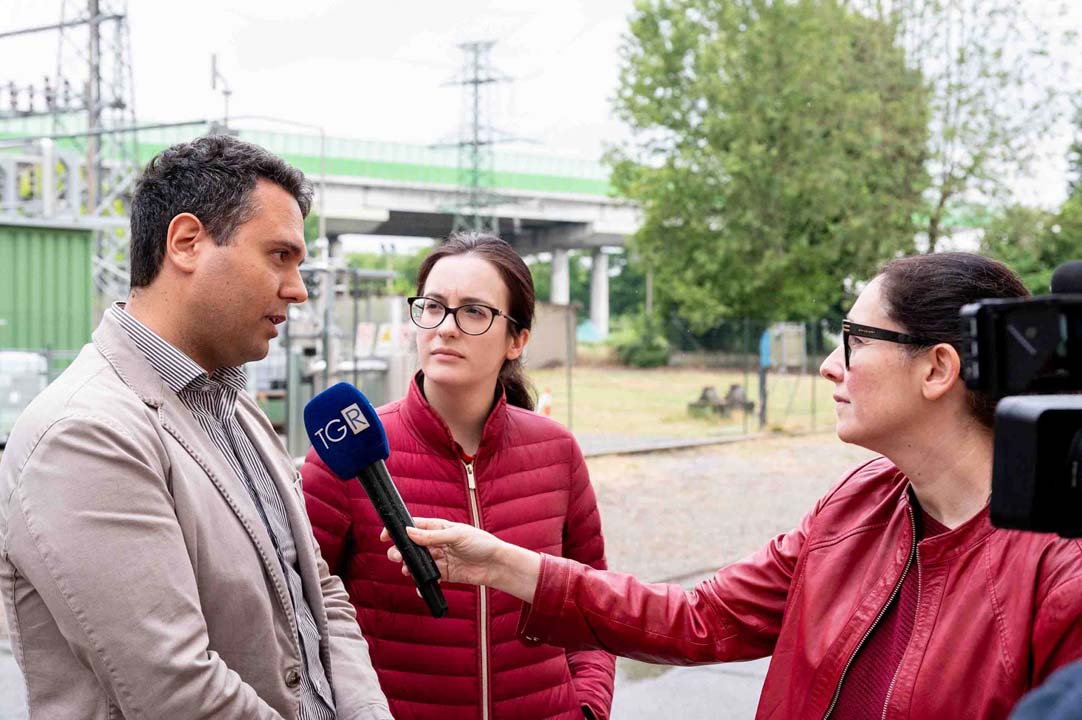
The ceremony was attended by the Rector of the Politecnico di Milano, Donatella Sciuto; the Mayor of Piacenza, Katia Tarasconi; the Vice President of the Emilia-Romagna Region, Vincenzo Colla; and the Director of the Department of Energy, Matteo Maestri, confirming the strategic importance of the infrastructure for the relationship between research, territory, and the productive system.
“POLICAP represents a strategic infrastructure for research on CCUS technologies. The plant combines high experimental flexibility, advanced analytical instrumentation, and the ability to operate at TRL 6–7, enabling both scientific research on new solvents and applied experiments at a scale representative of industrial conditions. Through this laboratory, the Department of Energy strengthens its contribution to the development of concrete solutions for the decarbonization of industrial sectors that are the most difficult to electrify.”
Manuele Gatti
“POLICAP was created to bridge the gap between laboratory research and the industrial application of CO₂ capture technologies. The possibility of operating directly at real production sites, treating industrial flue gases from hard-to-abate sectors, will allow us to validate solvents, components, and advanced models under representative operating conditions. The goal is to contribute to the development of increasingly efficient, sustainable capture processes that are ready for industrial deployment.”
Matteo Carmelo Romano