PROCEED: The Department of Energy Coordinates a European Project for a New Generation of Green Hydrogen Electrolysers
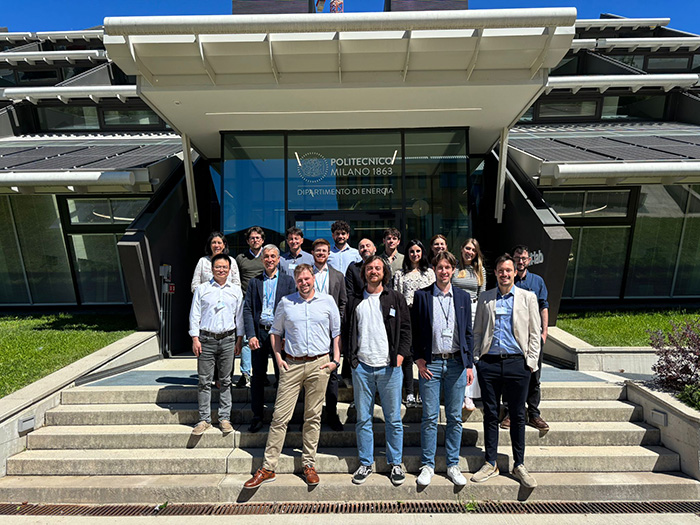
The Department of Energy at the Politecnico di Milano is coordinating PROCEED (Proton Conductive Electrolysis with Enhanced Durability), a new European project funded under Horizon Europe through the Clean Hydrogen Joint Undertaking, with a total contribution of nearly €4 million.
Launched in April and running for four years, the project is coordinated by Alessandro Donazzi, Associate Professor in the Department of Energy and member of the Laboratory of Catalysis and Catalytic Processes (LCCP) research group, which has long been engaged in advanced research on catalysis, hydrogen production, and energy transition processes.
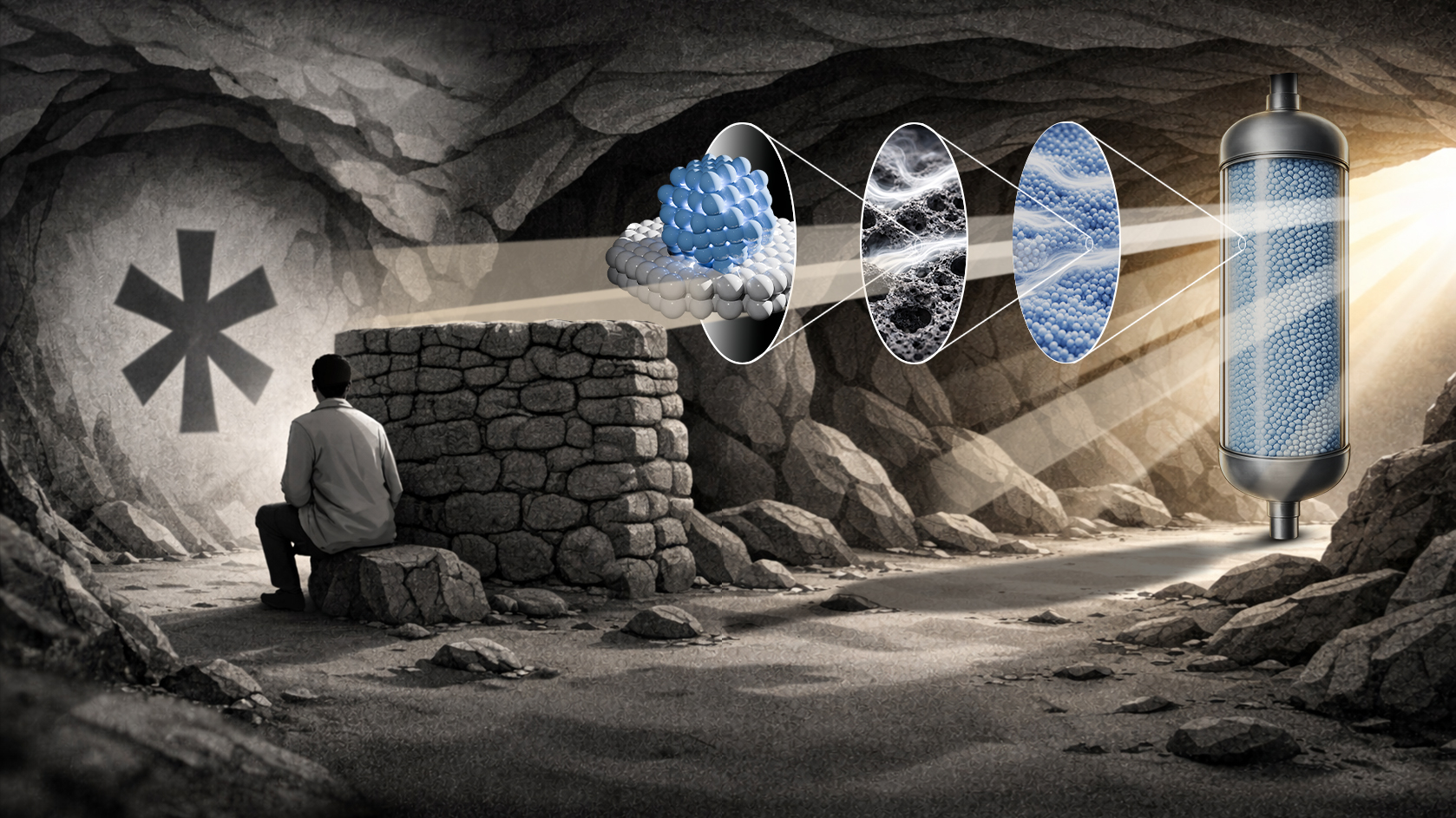
PROCEED brings together a European consortium of universities, research centres, and industrial partners with the goal of accelerating the development and industrial adoption of PCCEL (Proton Conducting Ceramic Electrolyser) technology, a new generation of proton-conducting ceramic electrolysers designed to produce high-purity green hydrogen.
PCCEL technology is considered one of the most promising solutions for expanding the range of electrolysis technologies available in Europe, helping to reduce dependence on critical raw materials and supporting European decarbonisation targets. In this context, the project will develop innovative systems based on ceramic cells supported by metallic structures, advanced materials, and stack configurations designed to improve efficiency, reliability, and industrial sustainability.
Throughout the project, two innovative short-stack configurations will be developed and validated. The first will be designed for compatibility with automated production lines, enabling future large-scale manufacturing and reducing fabrication costs. The second will introduce advanced additive manufacturing solutions, with components produced through 3D printing to improve the thermal and fluid-dynamic uniformity of the system while simplifying the overall stack architecture.
The activities will culminate in the development and demonstration of a 20 kW industrial prototype, which will be installed at the partner SolydEra thanks to the definition of a plant scheme (balance-of-plant) in collaboration with the Group of Energy Conversion Systems (GECOS) of the department.
A key research focus will be the investigation of cell and system degradation mechanisms, with the aim of increasing operational lifetime and long-term reliability. In parallel, the consortium will optimise the entire electrolysis system through the design of an integrated, highly efficient balance of plant, complemented by environmental sustainability assessments and techno-economic analyses to facilitate the industrial deployment of the developed solutions.
Coordinating PROCEED represents a significant international recognition of the Department of Energy and the expertise developed by the LCCP group in catalysis and hydrogen technologies. The laboratory’s main research areas include hydrogen production and utilisation, CO₂ valorisation through innovative catalytic processes, sustainable fuel production, and the development of low-carbon technologies.
The coordination of PROCEED is also part of a broader hydrogen research and innovation strategy pursued by the Politecnico di Milano and its Department of Energy. In this framework, the project complements the activities of the Hydrogen Joint Research Partnership, an initiative promoted by the Fondazione Politecnico di Milano and Politecnico di Milano and chaired by Stefano Campanari. The partnership brings together companies, researchers, and institutional stakeholders to accelerate the development of technologies and applications across the entire hydrogen value chain. Through collaborative research programmes and technology transfer initiatives, it fosters dialogue between academia and industry, contributing to the growth of Italy’s hydrogen ecosystem and strengthening Europe’s competitiveness in the sector.
“PROCEED represents an important step forward in achieving Europe’s climate and hydrogen objectives through the development of innovative electrolysis technologies capable of supporting a more sustainable and resilient energy system,” says Alessandro Donazzi, project coordinator.
Thanks to the coordination of the Politecnico di Milano, PROCEED will contribute to the European Union’s key energy transition strategies, including the European Green Deal, the European Hydrogen Strategy, and the REPowerEU. The project will further strengthen the role of Italian research in developing the technologies that will underpin Europe’s future hydrogen economy.