The Department of Energy hosts H2POWRD Workshop on subsonic and supersonic turbine design
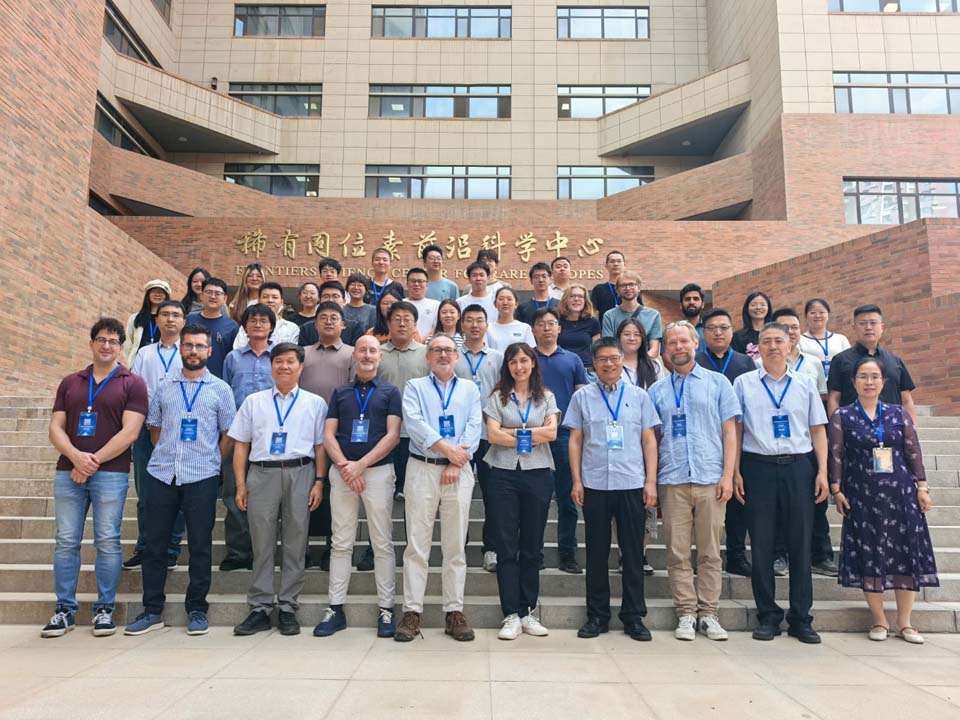
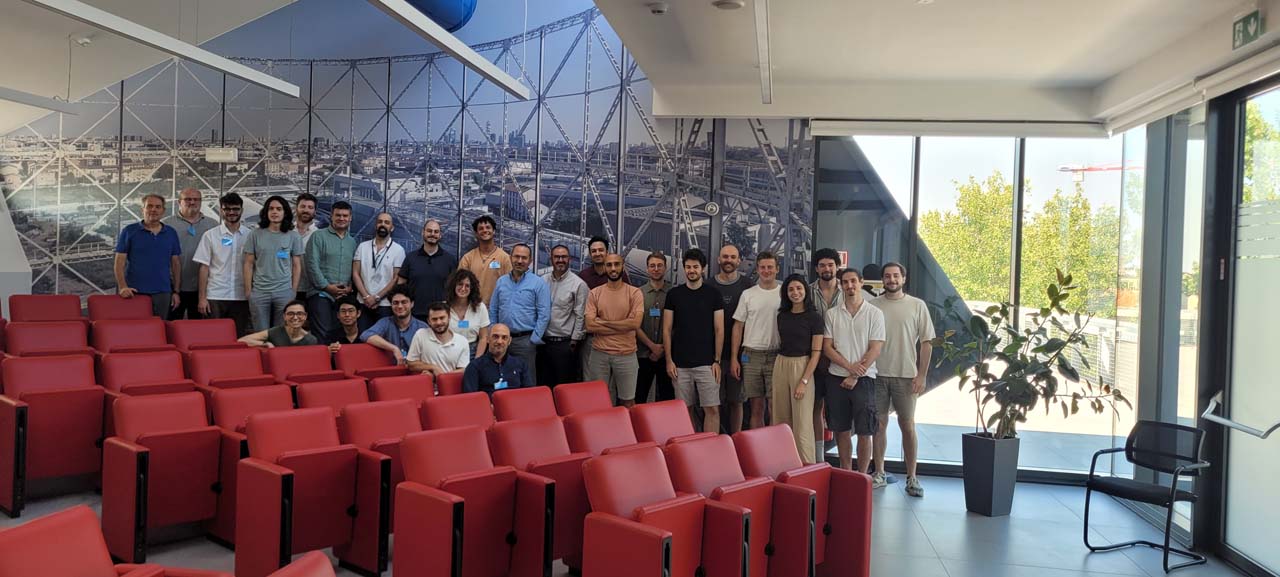
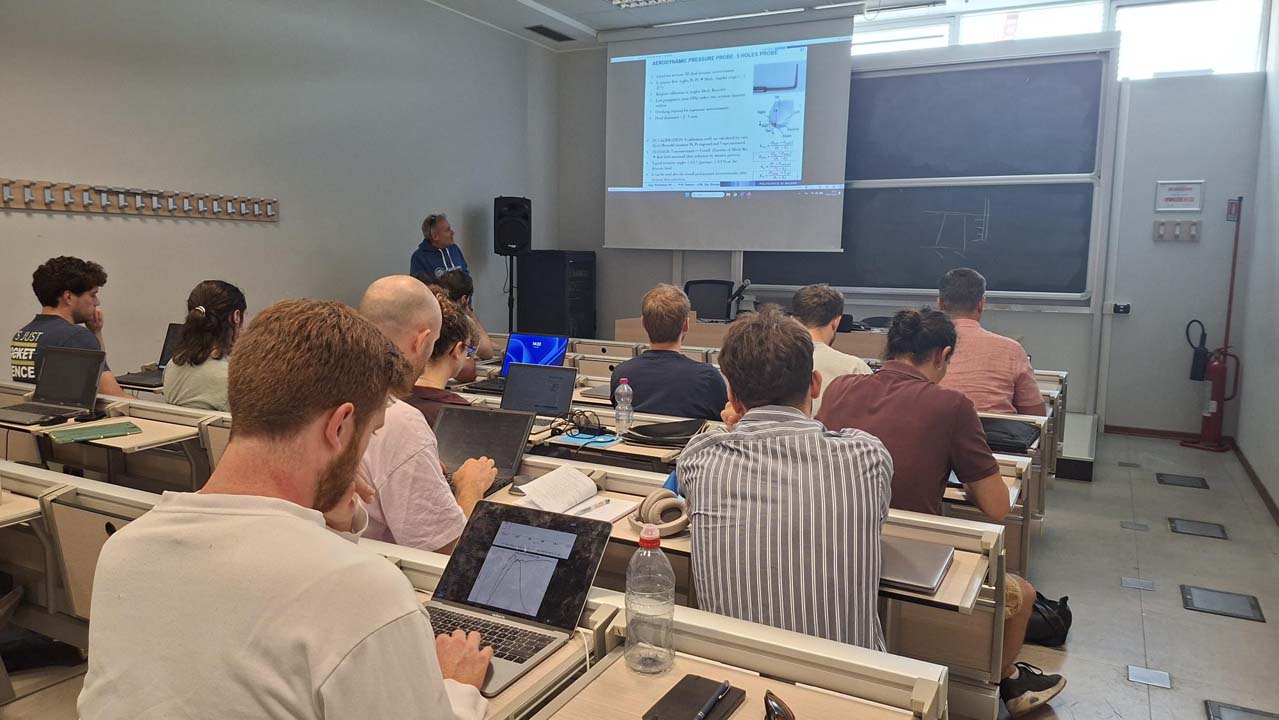
From 6 to 8 July 2026, the Department of Energy at Politecnico di Milano hosted Workshop 3 of the European project H2POWRD – Harnessing Hydrogen’s POtential With Rotating Detonation, funded under the Marie Skłodowska-Curie Actions Doctoral Networks (MSCA-DN) programme.
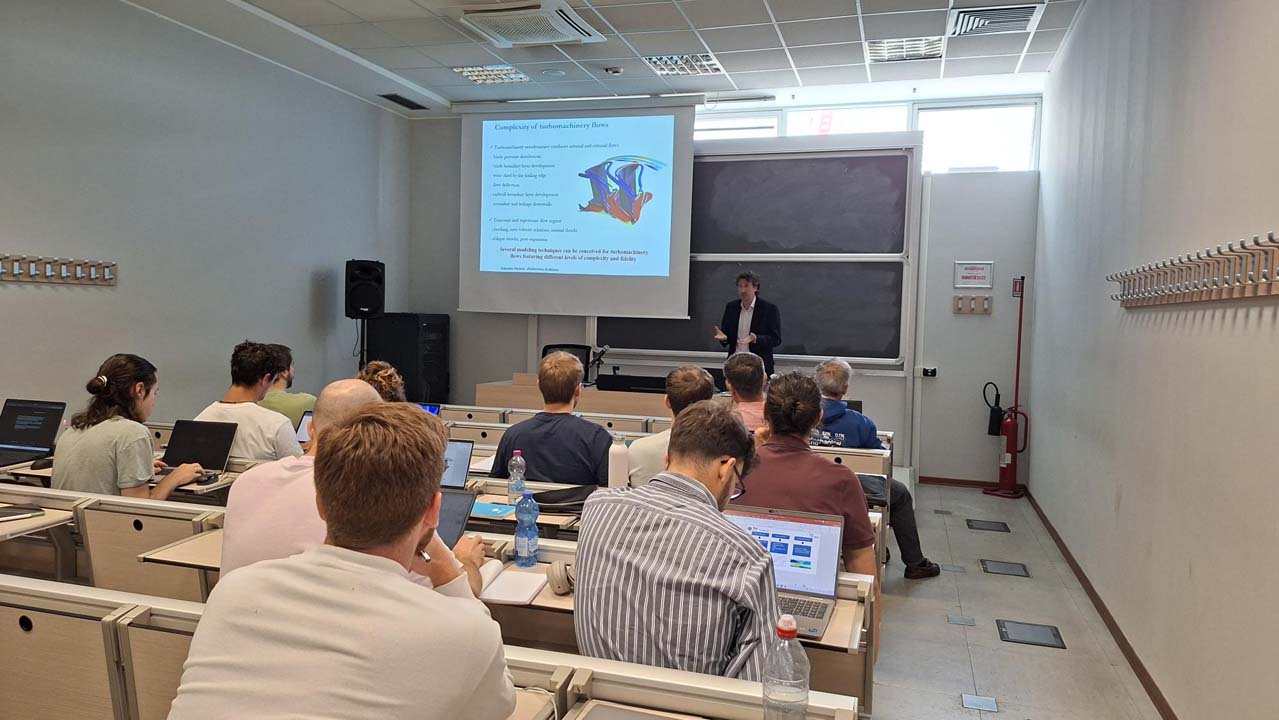
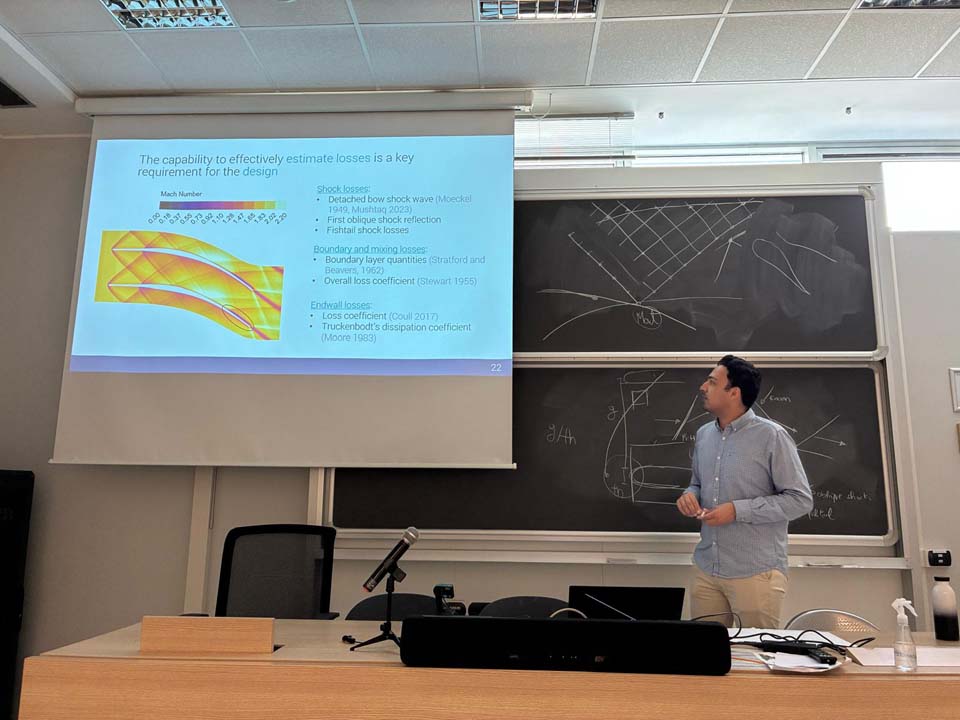
Entitled Design Methodology for Sub- and Supersonic Inlet Stages, the workshop brought together doctoral candidates, researchers and academic staff from across the consortium for three days of advanced training, technical discussions and scientific exchange.
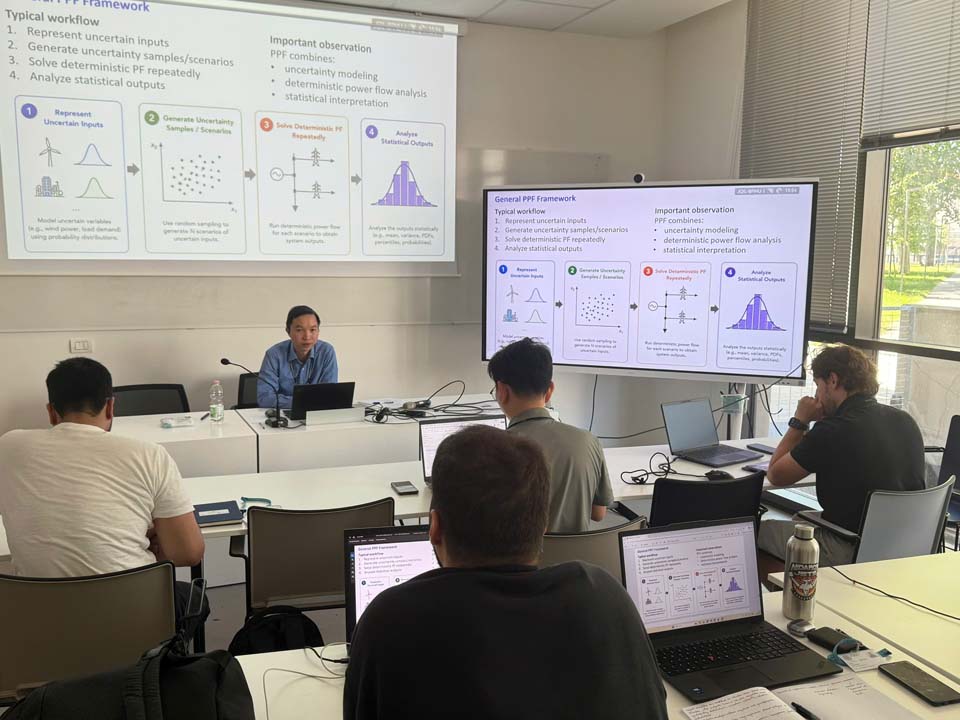
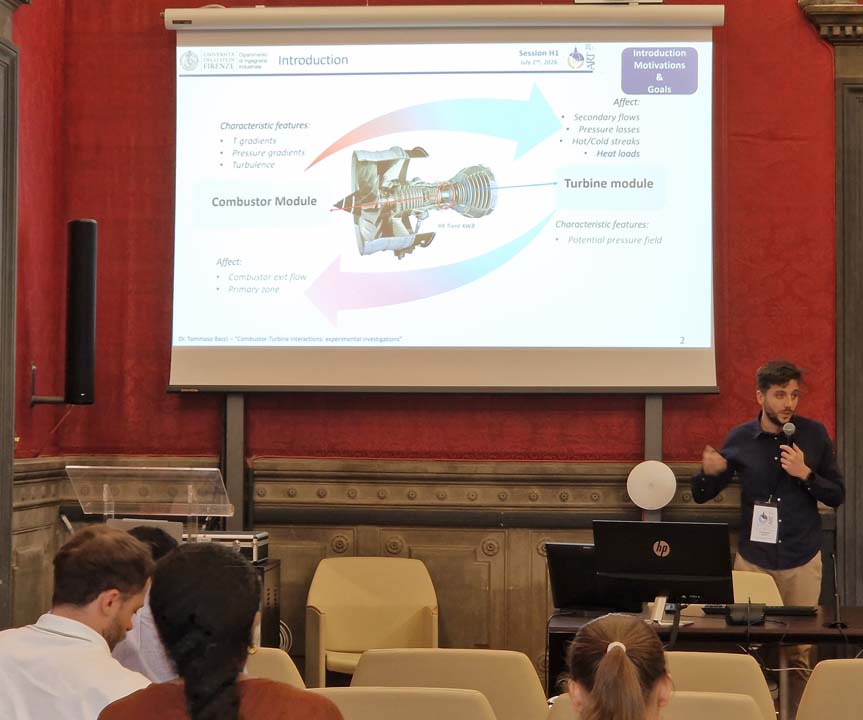
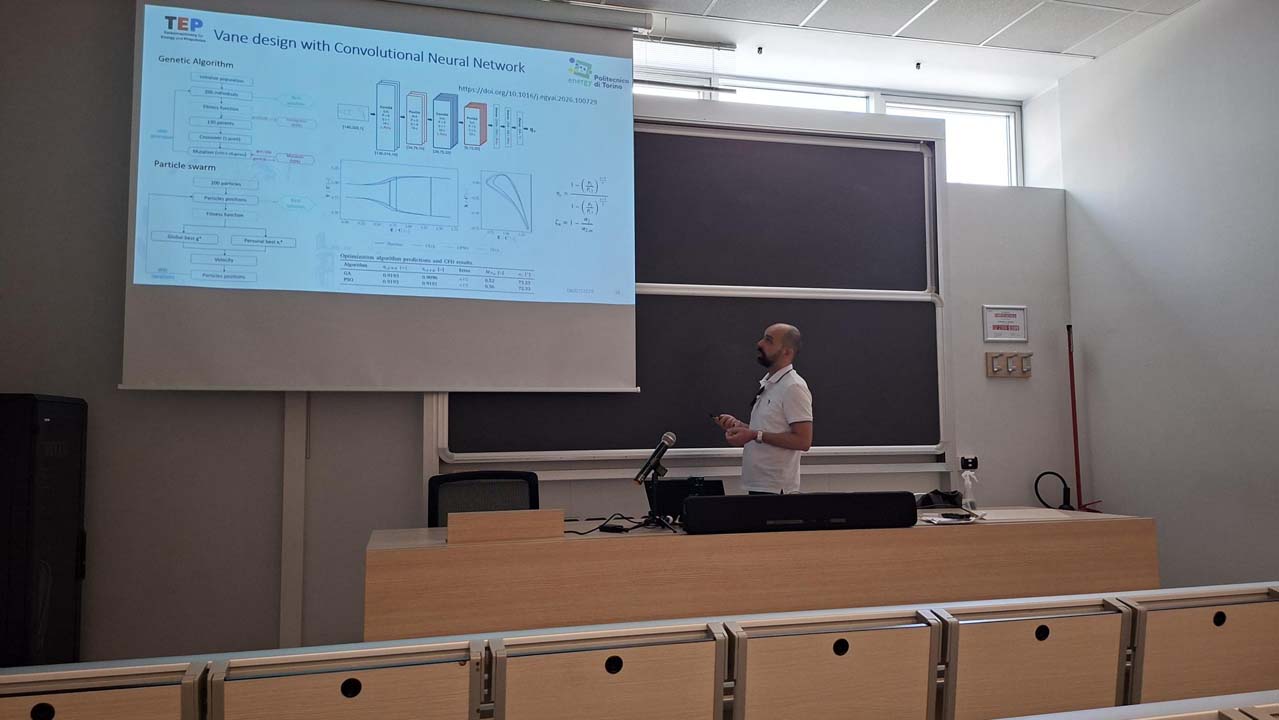
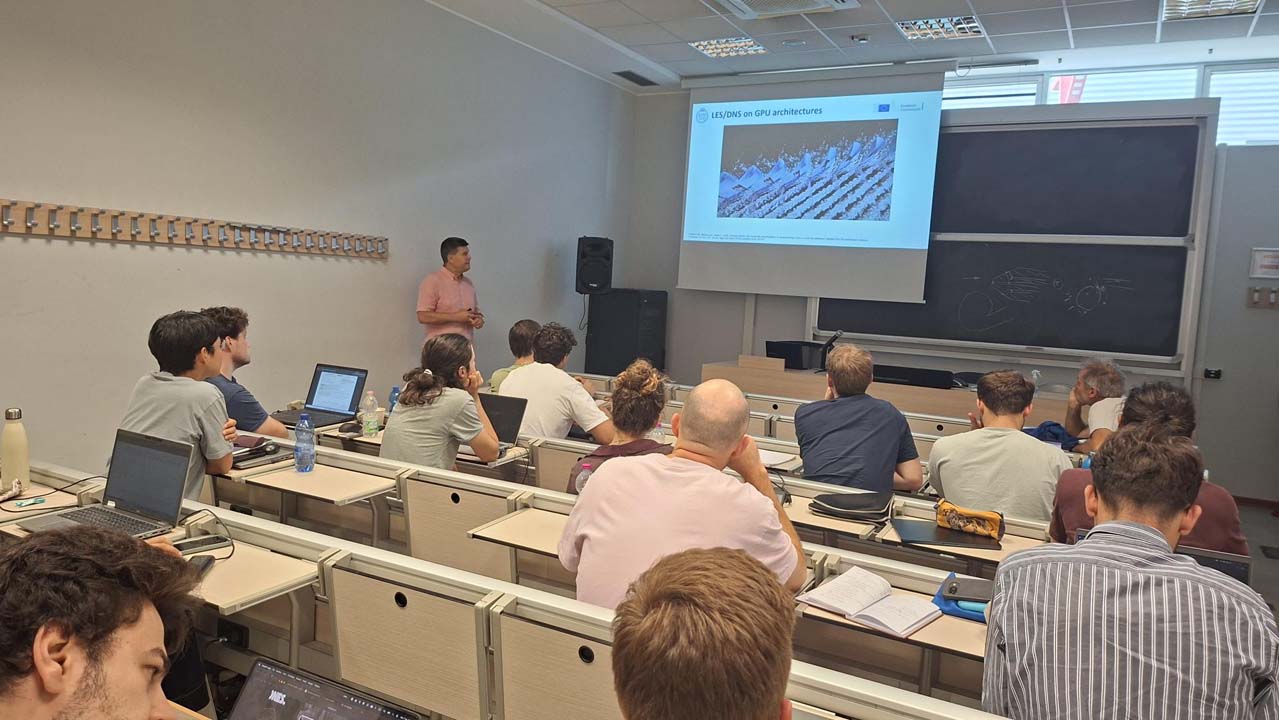
The programme explored design methodologies for subsonic and supersonic inlet stages, covering topics ranging from turbomachinery fundamentals to advanced research subjects, including turbine cooling, the design of turbines for Rotating Detonation Engines, computational models for turbomachinery applications, Large Eddy Simulations (LES) for investigating flow instabilities, and experimental techniques.
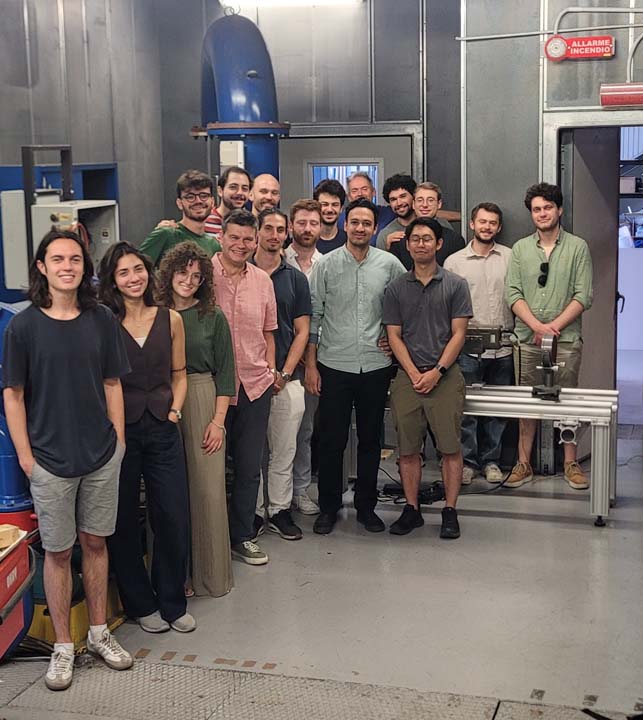
Participants also visited the Laboratory of Fluid Machines (LFM) and its experimental facilities at Politecnico di Milano. The workshop concluded with a demonstration at the University’s new blowdown wind tunnel for supersonic cascades, providing participants with first-hand insight into the experimental activities supporting research in this field.
Beyond the technical programme, the workshop offered an important opportunity to strengthen collaboration among doctoral candidates and supervisors within the H2POWRD consortium, fostering interdisciplinary exchange and international cooperation.
The event was organised by Prof. Paolo Gaetani and Dr. Noraiz Mushtaq. The scientific programme also featured invited lectures by Dr. Tommaso Bacci, Prof. Giacomo Persico, Prof. Mihai Mihaescu, and Prof. Simone Salvadori.
H2POWRD, project description:
hydrogen is pivotal in the transition to sustainable energy, offering the potential to significantly reduce carbon emissions. Funded by the Marie Sklodowska-Curie Actions programme, the H2POWRD project seeks to harness hydrogen’s potential by using an innovative technology called ‘rotating detonation combustion’ with gas turbines. The technology involves continuous spinning detonations, enhancing efficiency and lowering emissions compared to traditional methods. Researchers will focus on understanding the combustion process better, optimising the flow between the combustor and the turbine, and improving the design of turbine parts. Combining experiments and simulations, H2POWRD aims to boost efficiency and cut fuel consumption. It will also establish a training programme to prepare the next generation of researchers in this technology.
CORDIS’ page: https://cordis.europa.eu/project/id/101169009