Multimodal Microscopy for Energy Materials: A Workshop at EN:lab
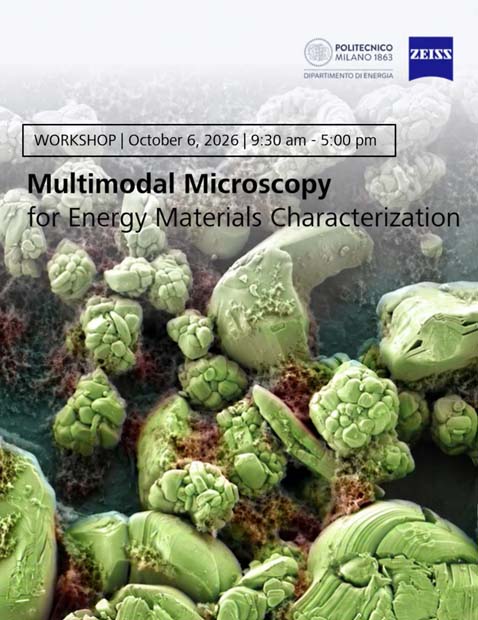
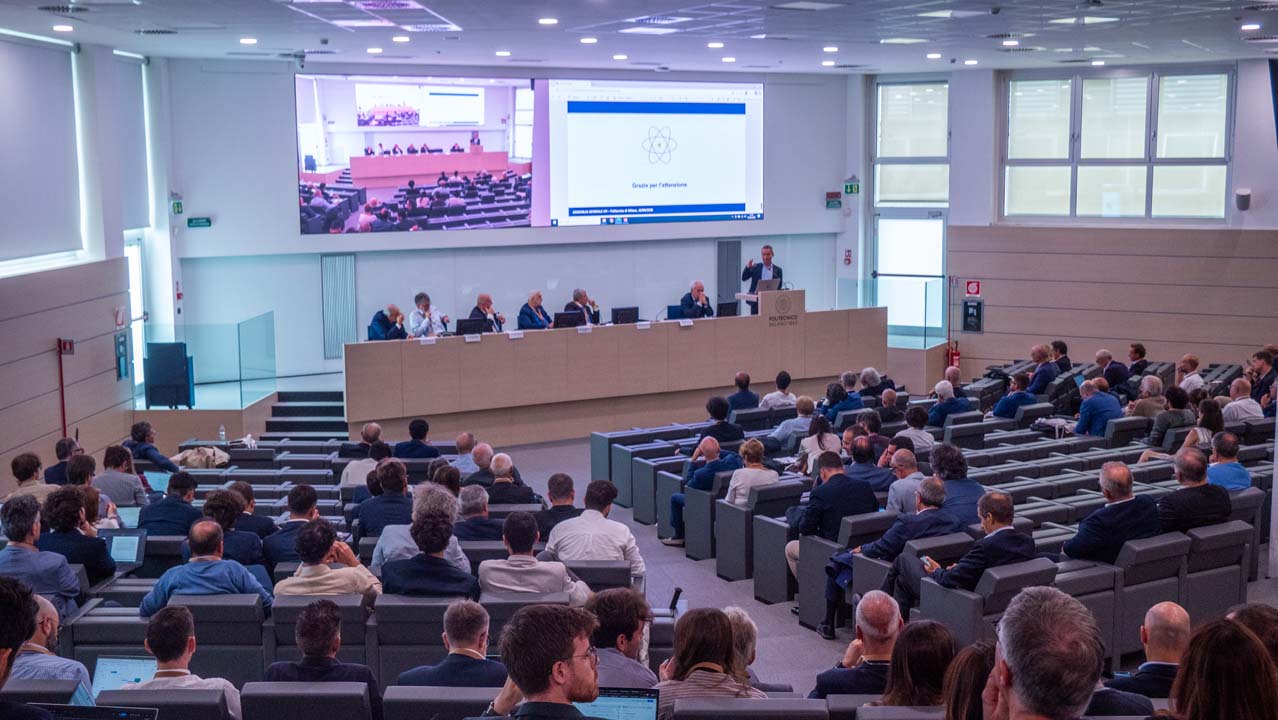
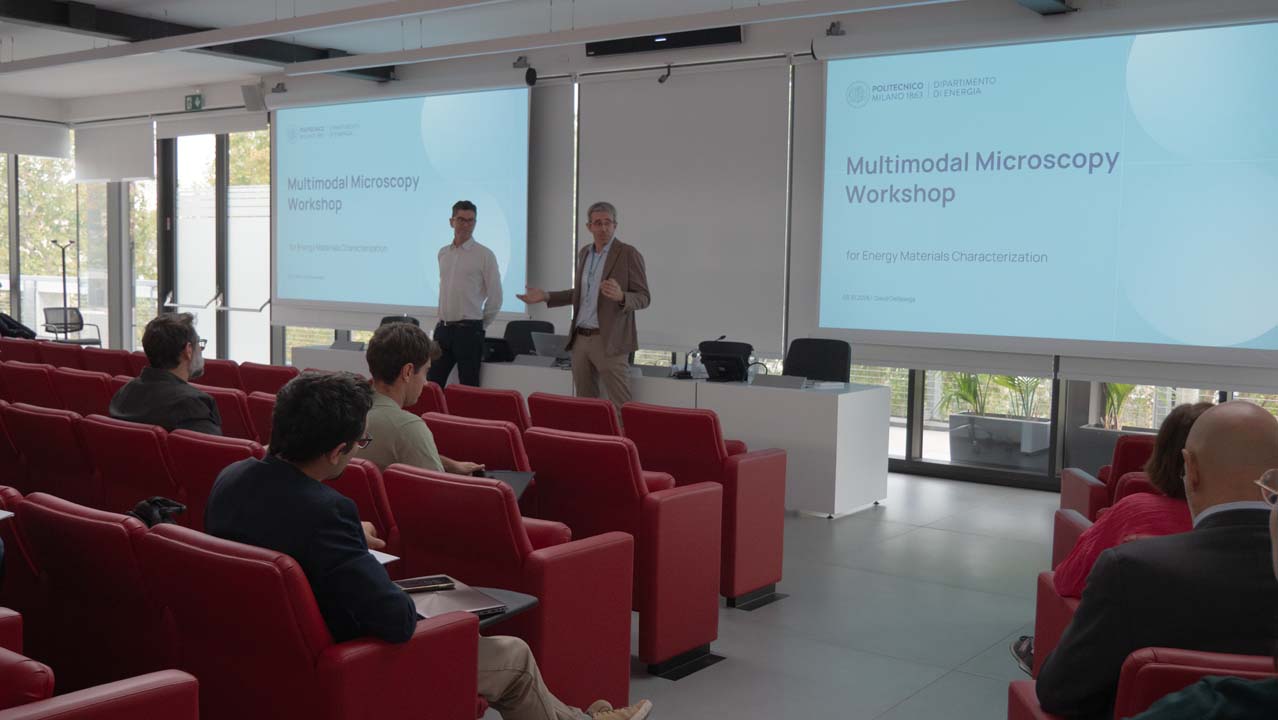
How can microscopy techniques and artificial intelligence be combined to better understand energy materials? On 6 October, a workshop organised by the Department of Energy at Politecnico di Milano and ZEISS brought together experts from research and industry at the EN:lab building to explore new techniques for characterisation and image analysis.
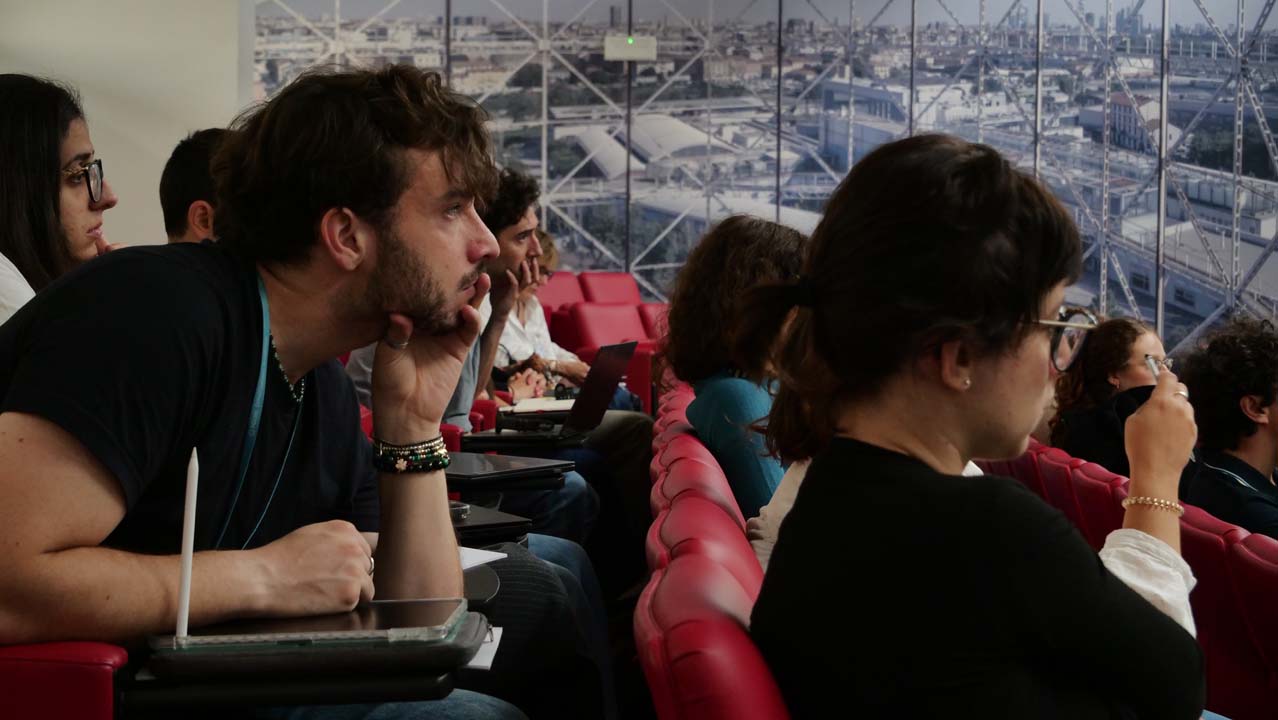
Batteries, photovoltaic materials, catalysis and nuclear technologies were the focus of the Multimodal Microscopy Workshop for Energy Materials Characterization. Held at the EN:lab building, the event combined scientific presentations with activities in the Department’s microscopy laboratories.
What Is Multimodal Microscopy?
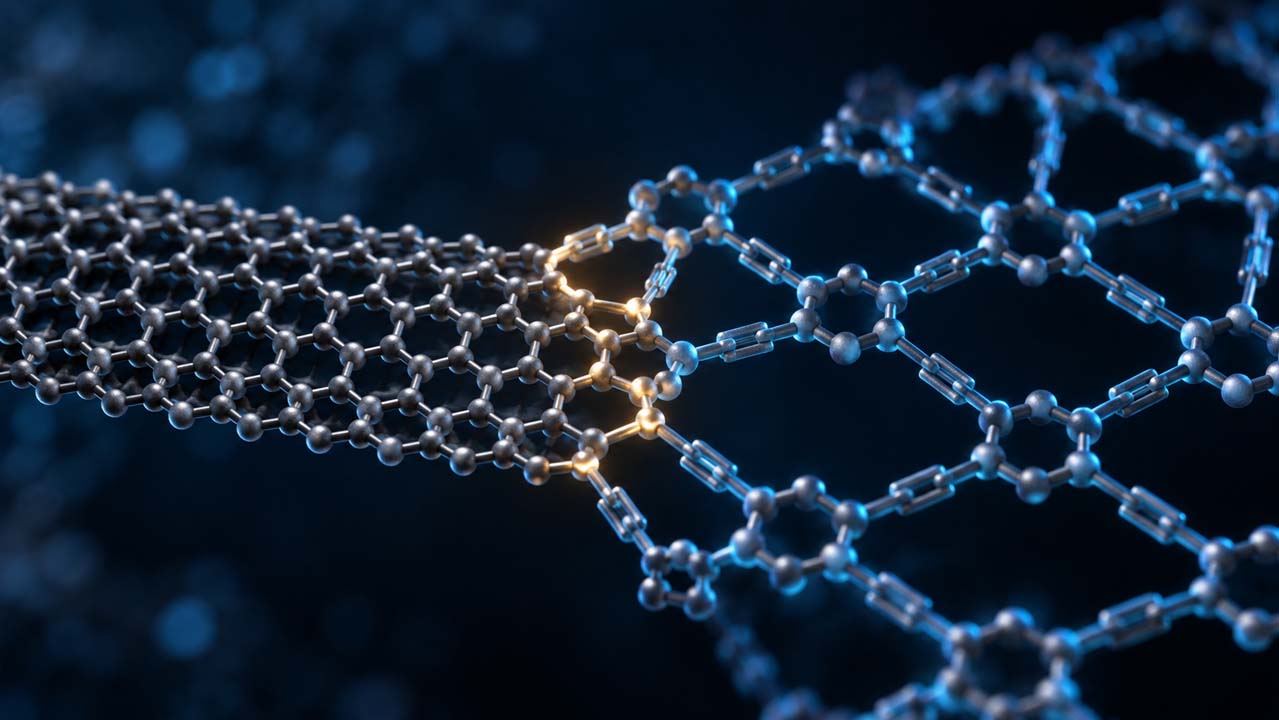
Multimodal microscopy integrates different techniques to examine the same material from multiple perspectives and at different scales. Combining the resulting information can help describe its structure, composition and properties, as well as track certain processes as they occur. Artificial intelligence can support image analysis and the management of large datasets, including three-dimensional data.
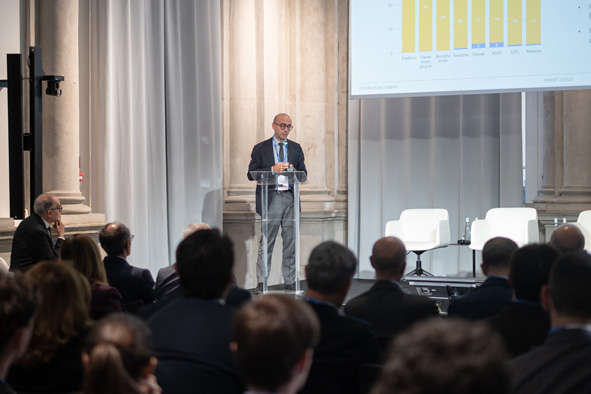
“Energy materials are ideally suited to multimodal microscopy: complementary techniques, based on electrons, ions and photons, for example, allow us to observe the same material from different perspectives and at different scales. By integrating this information, we can build a more comprehensive understanding of its structure and properties,” explains David Dellasega, Associate Professor in the Department of Energy and the event coordinator for Politecnico di Milano.
From Batteries to Perovskites: Applications of Microscopy
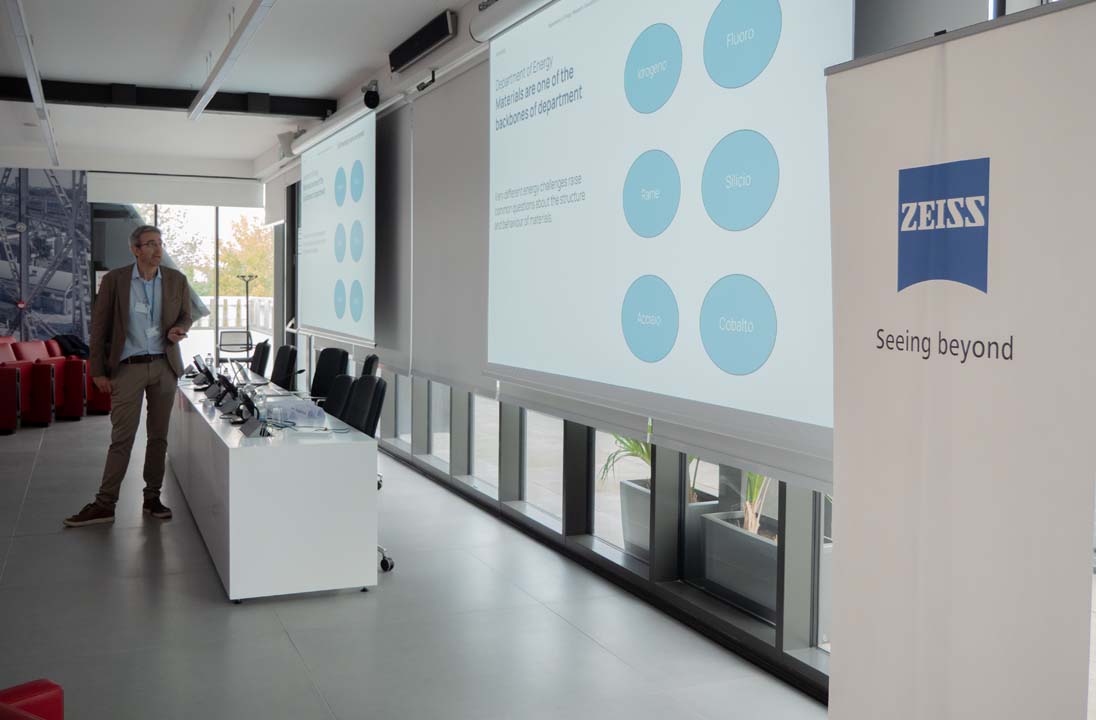
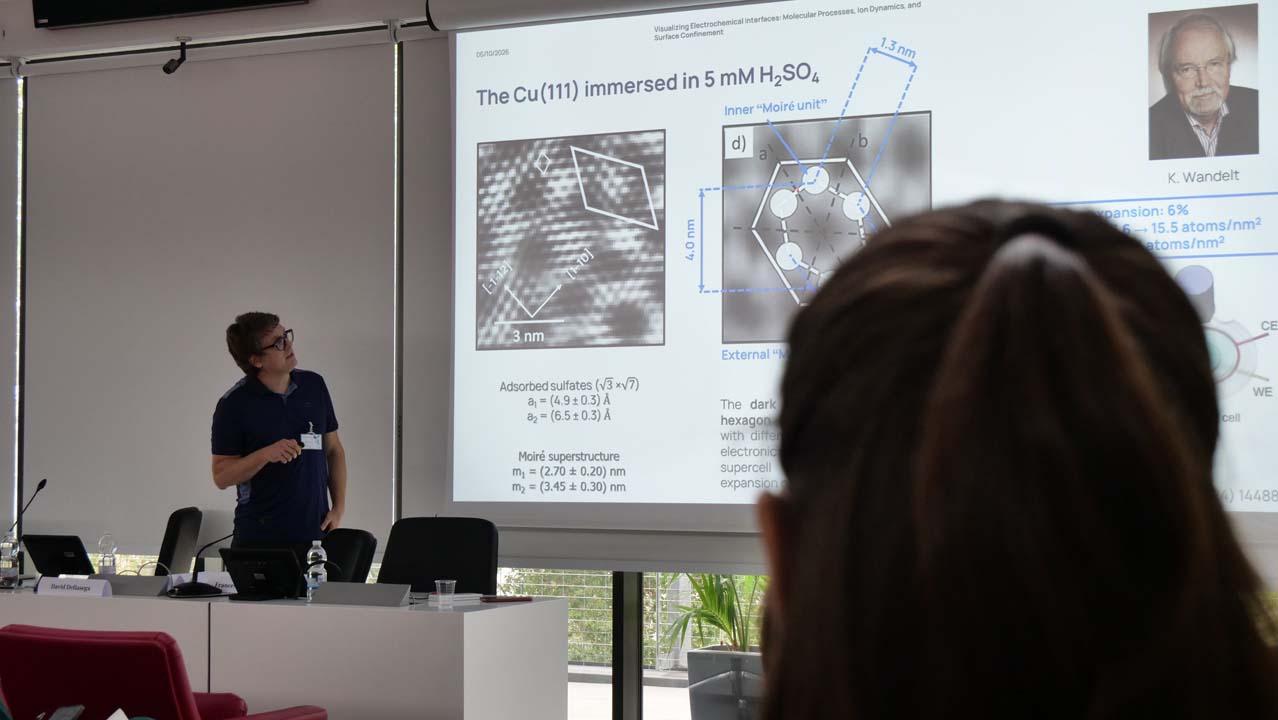
The presentations illustrated applications of multimodal microscopy across various areas of energy research. Gianlorenzo Bussetti from the Department of Physics at Politecnico di Milano presented research using scanning microscopy in liquids, which enables electrochemical processes to be observed at the atomic scale.
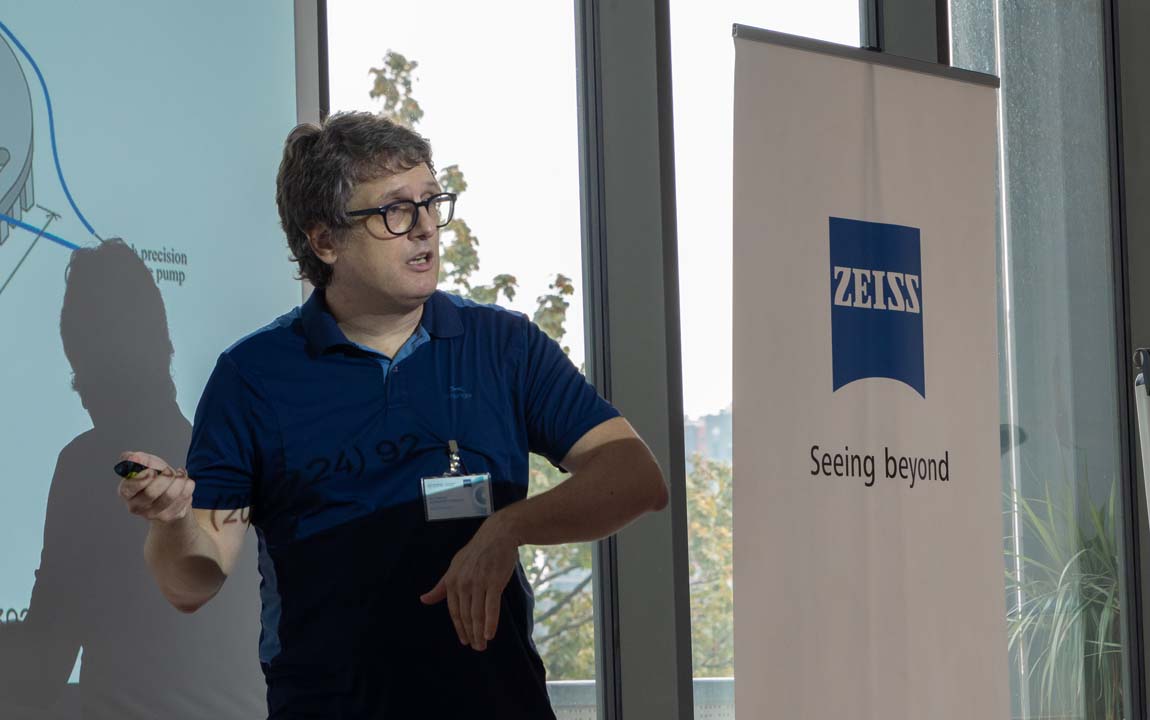
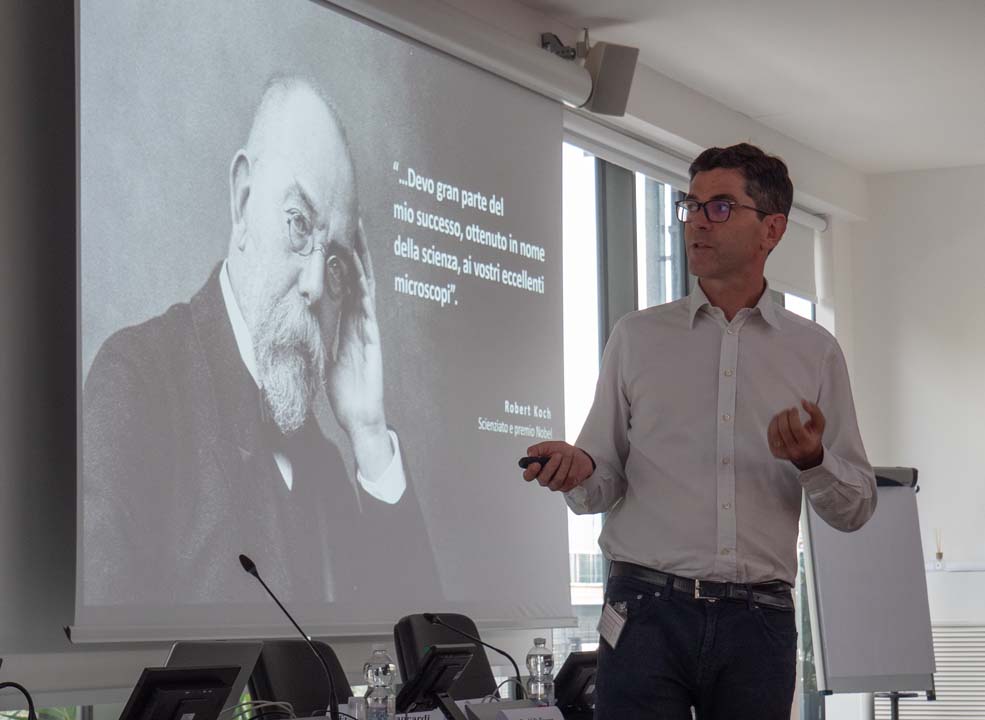
The work of Angelica Accorinti from Politecnico di Torino, presented by colleagues from ZEISS, illustrated the use of X-ray microscopy and artificial intelligence-based image analysis to reconstruct phenomena occurring inside batteries in three dimensions. Flavio Cognini from Zeiss, shows the role of Multimodal Microscopy combining X-ray microscopy with other techniques (SEM and EDX) to investigate materials and devices at different scales. The programme also addressed the combination of microscopy techniques to characterise materials at different scales, the formation of perovskite films for photovoltaics, and the study of materials for nuclear fission technologies.
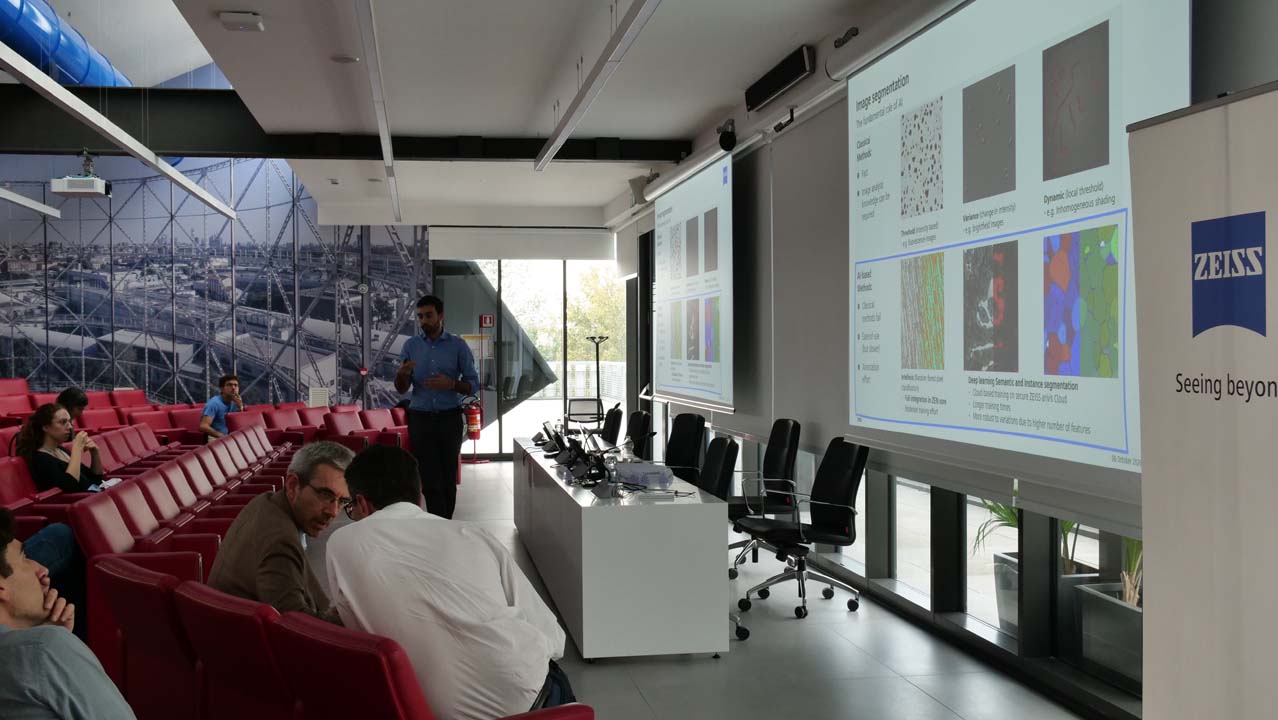
In the afternoon, Davide Garoldini from ZEISS introduced digital imaging techniques for materials science, with a focus on image analysis using deep learning and artificial intelligence.
A Tour of the NanoLab Laboratories
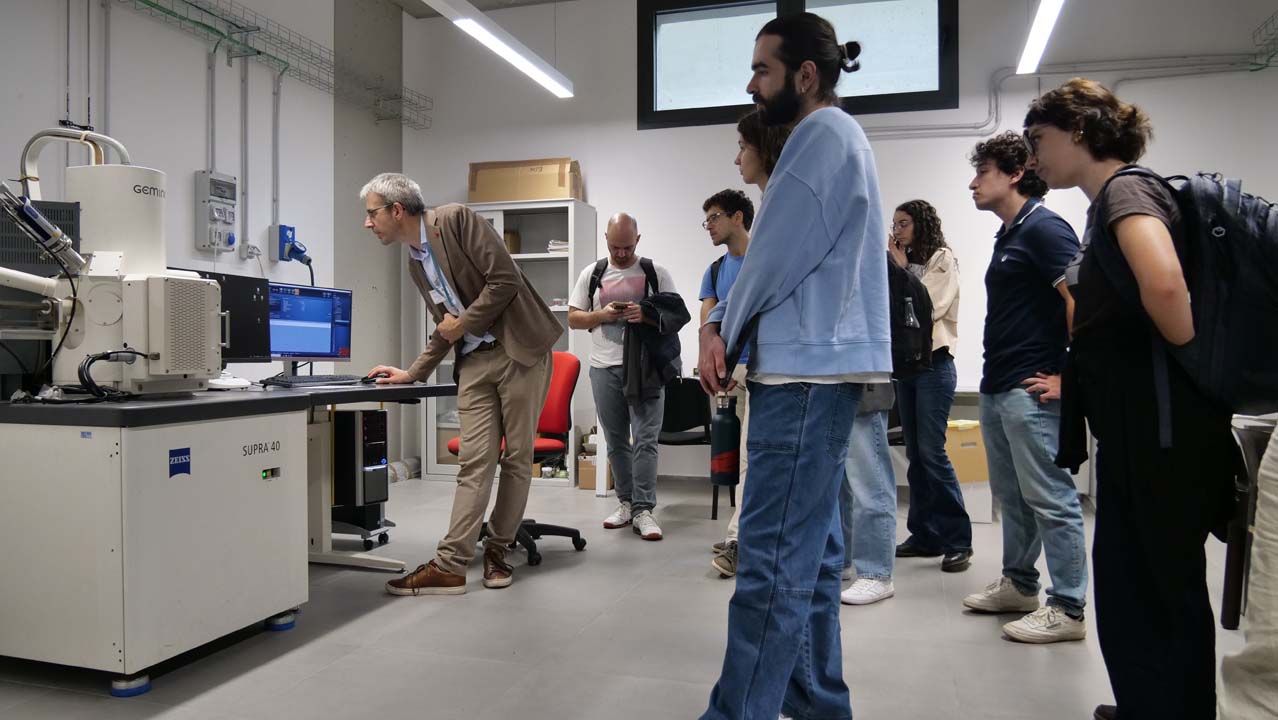
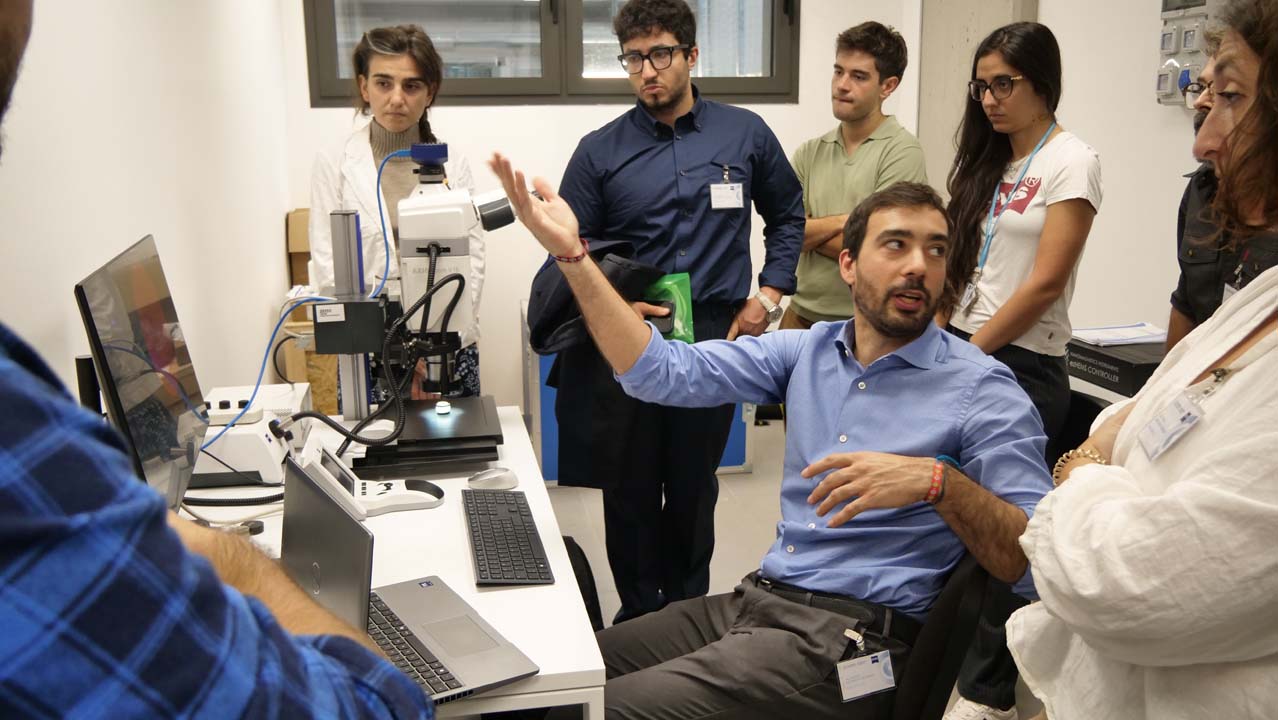
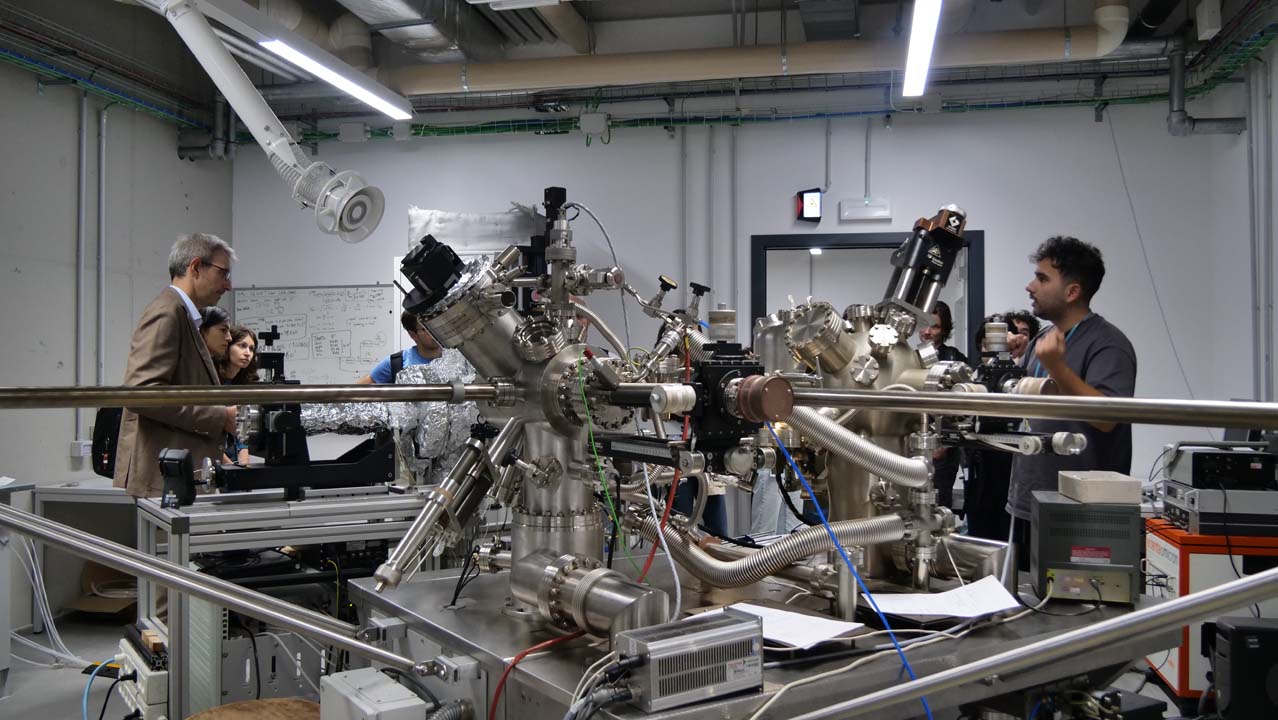
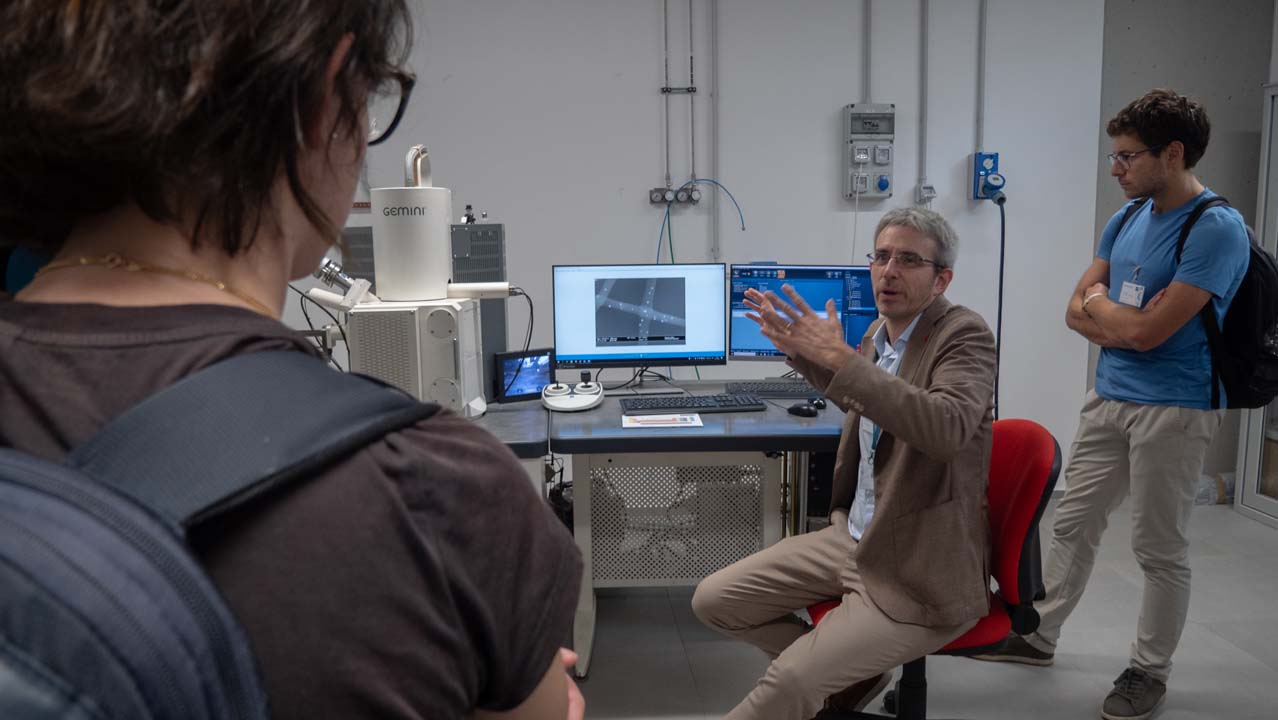
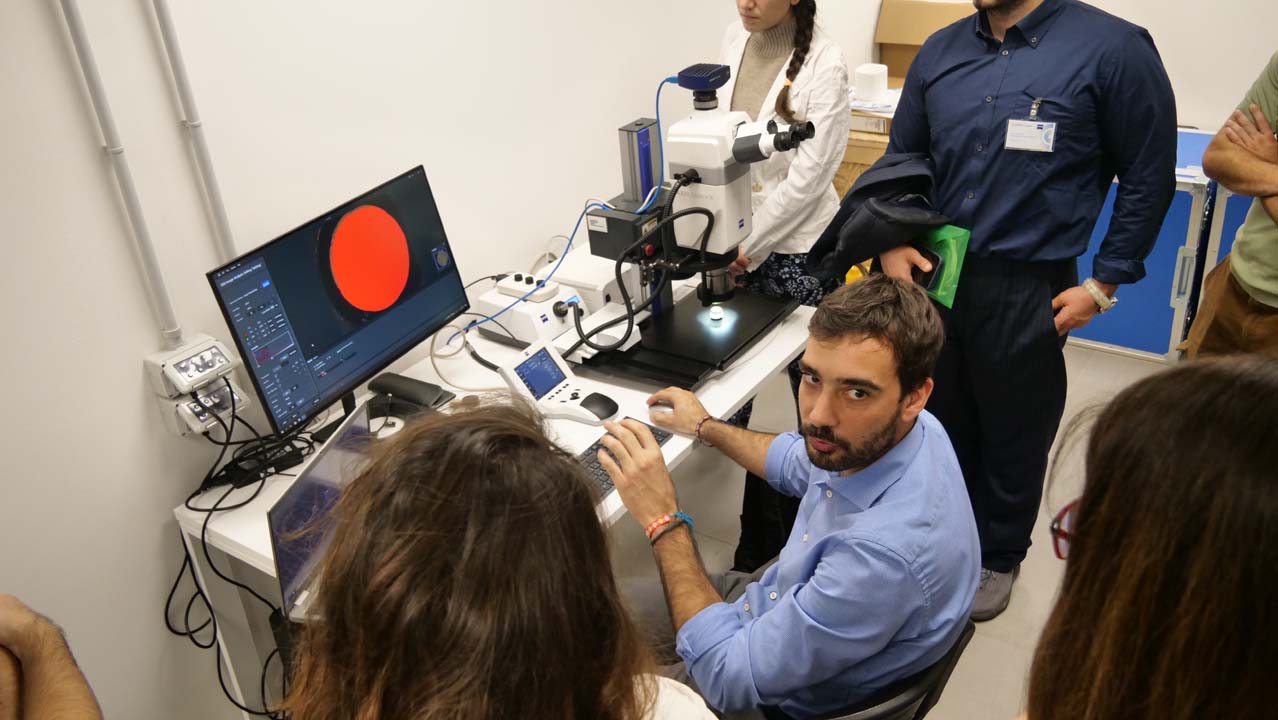
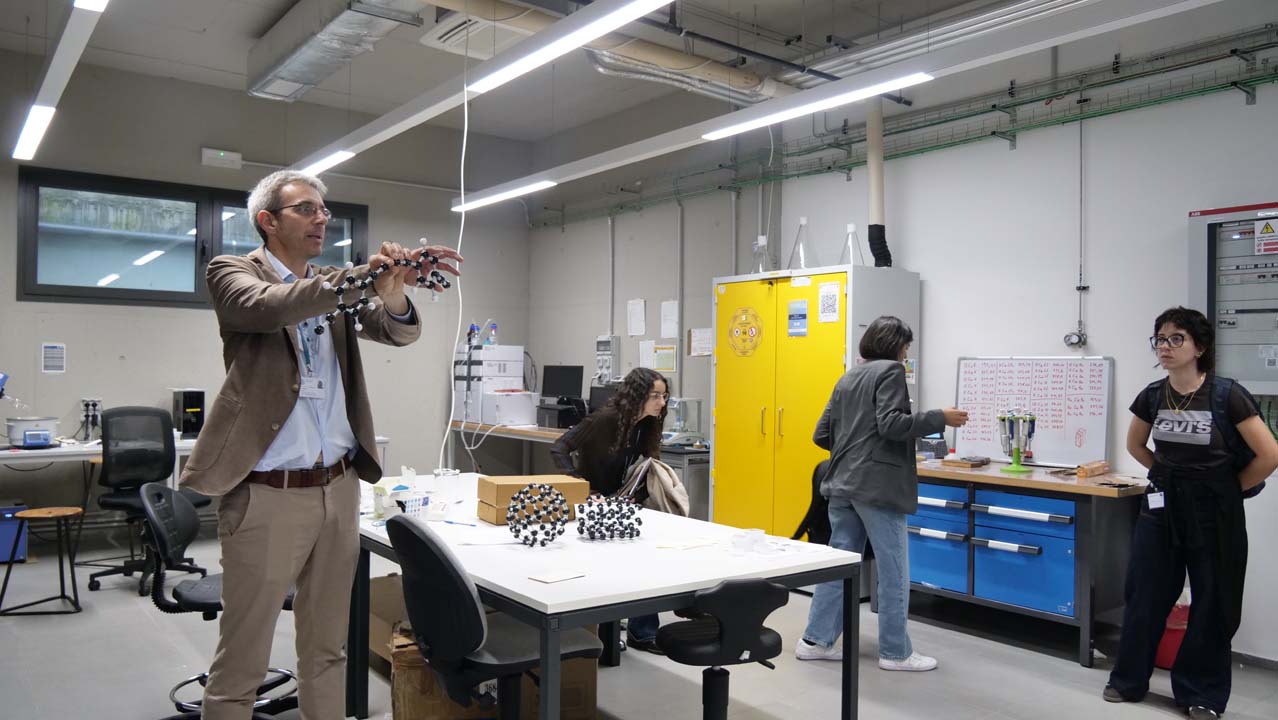
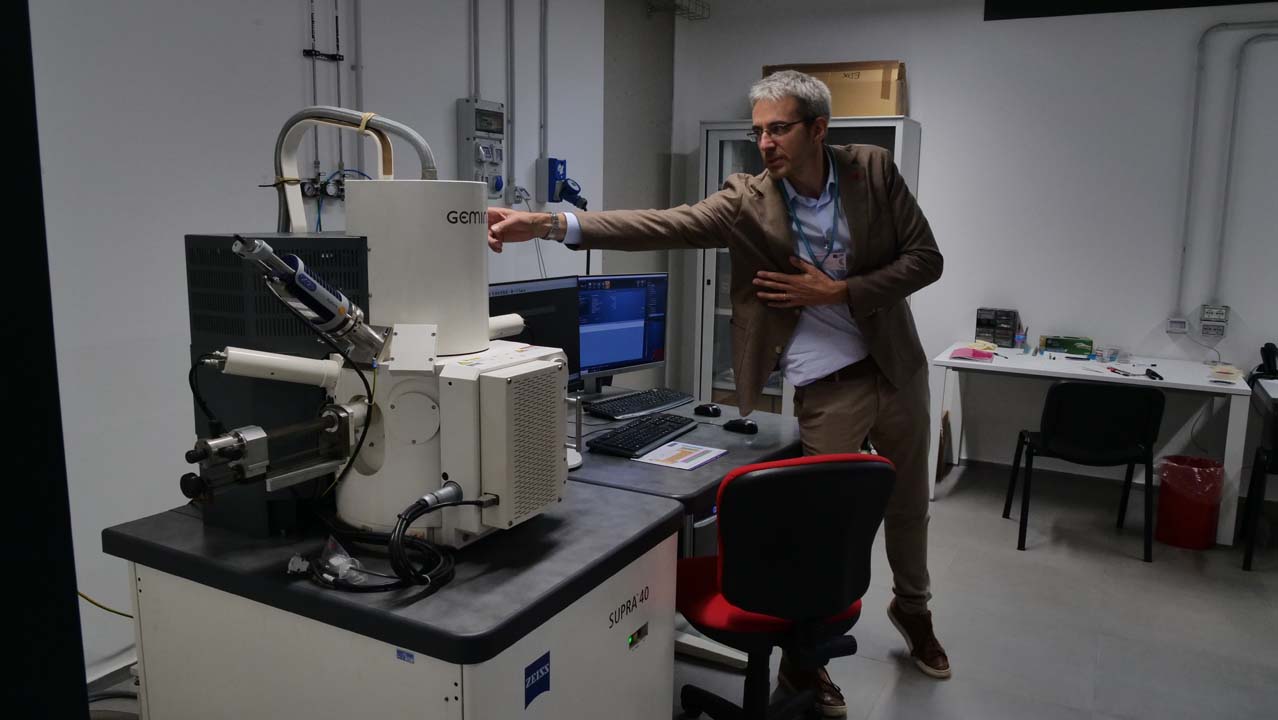
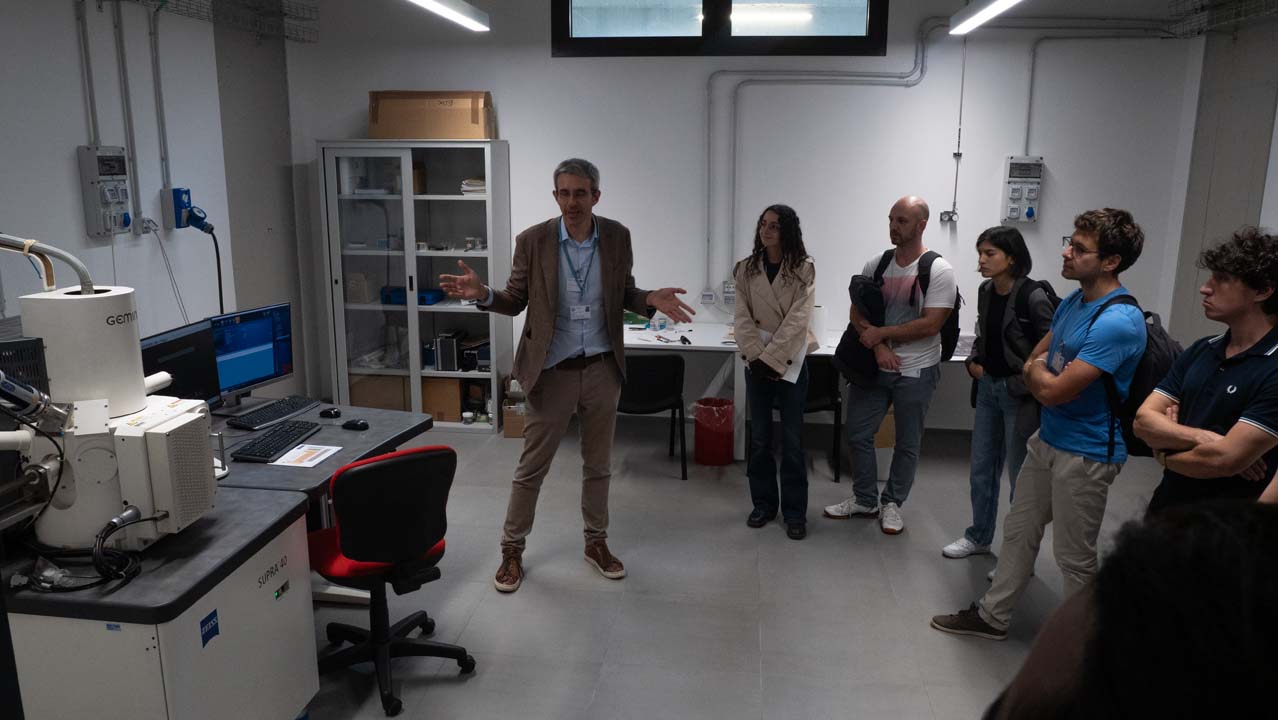
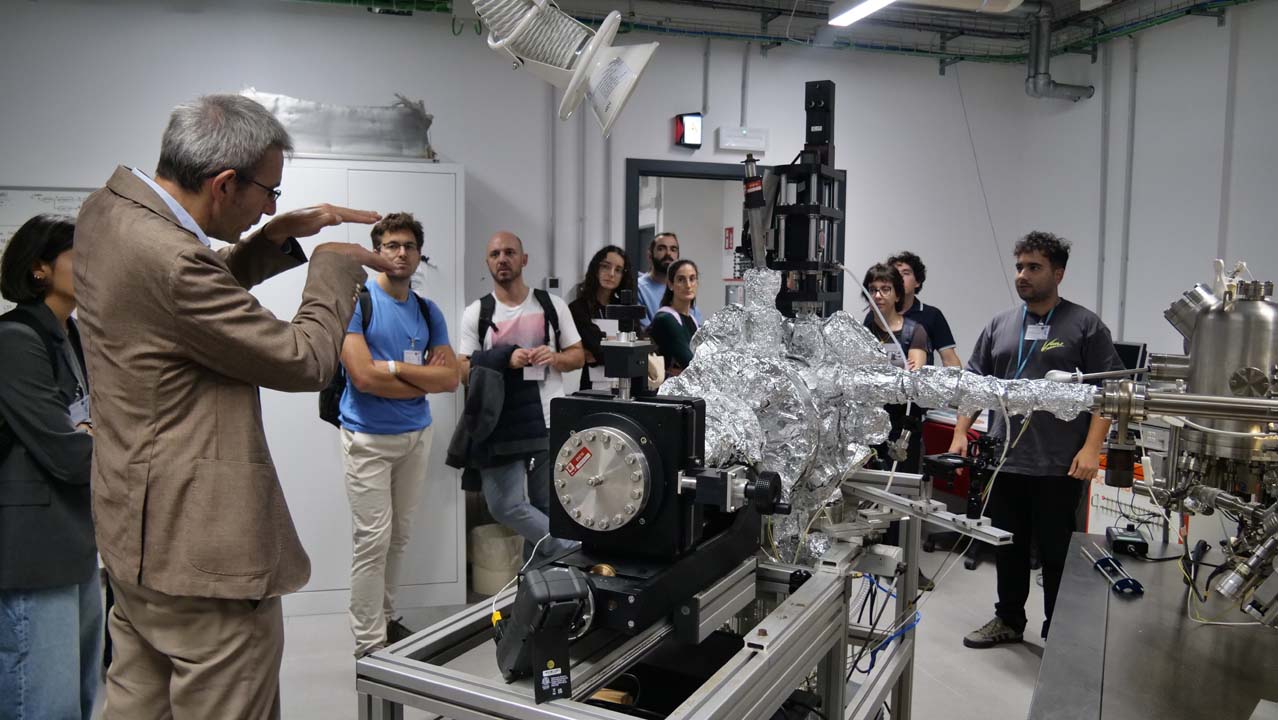
The event continued in the Department of Energy’s NanoLab laboratories, with activities focusing on optical microscopy, artificial intelligence-based image analysis, and virtual reality inside a focused ion beam (FIB) microscope. The tour offered participants a close-up look at the equipment and some of the applications of microscopy in the characterisation of energy materials.