Politecnico di Milano in the European project MESCEL for the sustainable recovery of critical metals from hard metal waste
The Department of Energy leads the design and optimization of electrochemical processes and contributes to training and capacity-building activities within the project, supporting a more efficient circular economy.
The Department of Energy at Politecnico di Milano is a partner in the European project MESCEL – HardMetal scrap electrolysis for recovery of valuable metals, funded under the European Union’s research and innovation programmes and dedicated to the development of sustainable technologies for the recovery of critical materials from industrial waste.
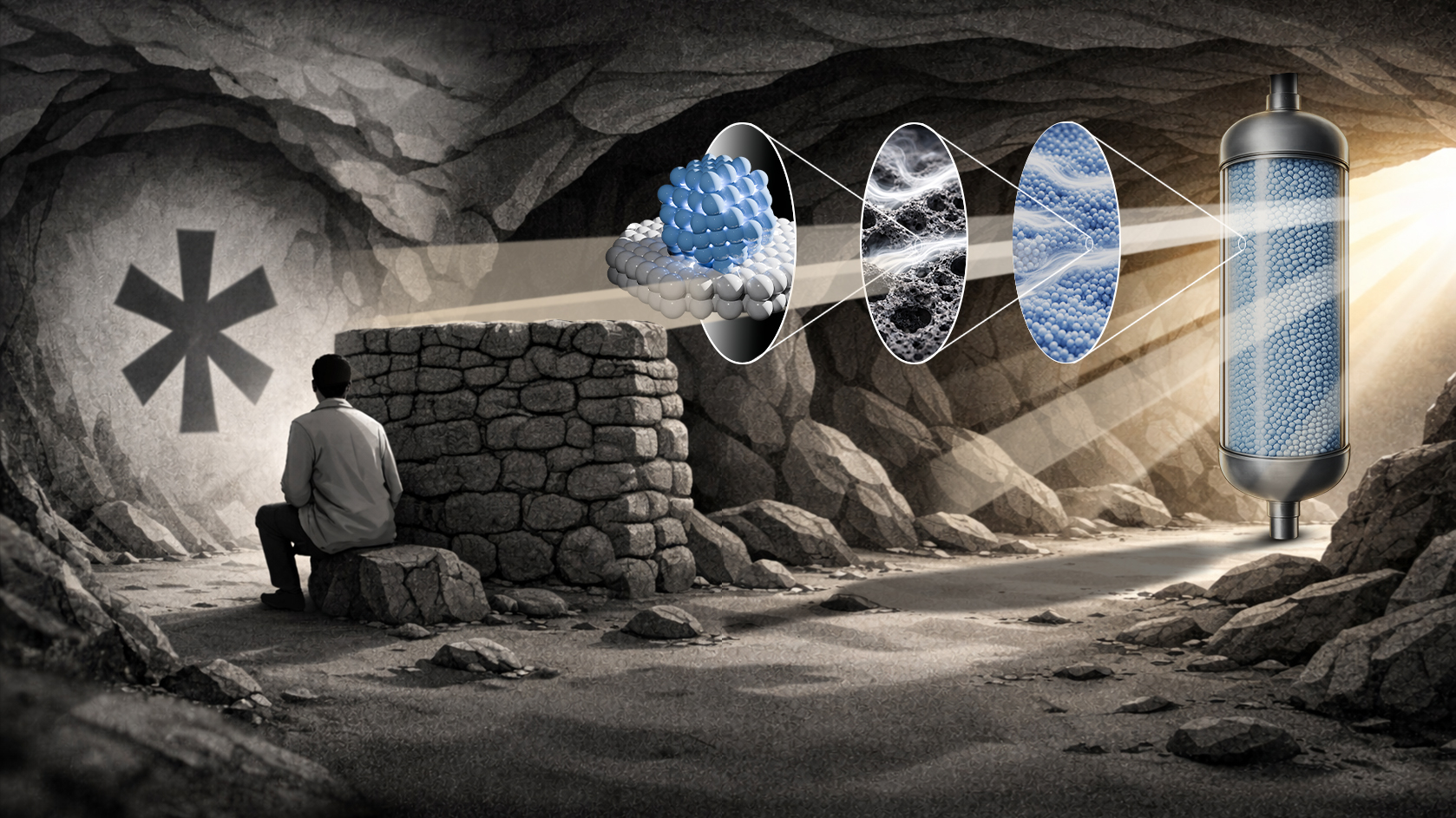
The primary objective of the MESCEL project is to develop an innovative and environmentally friendly electrochemical method for separating tungsten (W) and cobalt (Co) contained in Hard Metal (cemented carbide) scrap. These materials are classified as Critical Raw Materials by the European Union due to their industrial relevance and the vulnerability of their supply chains. The proposed approach operates under neutral pH conditions, with very low energy consumption and non-aggressive reagents, making the process compatible with renewable energy sources. Politecnico di Milano contributes to the project with its well-established research expertise in electrochemical materials science, particularly in the study and implementation of advanced electrochemical methods combined with in operando spectroelectrochemical techniques.
Within MESCEL, the Department of Energy is responsible for the design and optimization of the electrolysis process, as well as for training and capacity-building activities addressed to consortium partners.
The Department’s participation reflects Politecnico di Milano’s commitment to promoting sustainable technological solutions and advancing the transition toward high-efficiency circular economy models, enhancing the valorization of critical materials and reducing dependence on external imports.
Participation in MESCEL represents a strategic opportunity for our Battery Materials Engineering (BMEL) research group to integrate our expertise in materials electrochemistry with a major industrial and environmental challenge. Our contribution to the design and optimization of electrolysis processes, together with training and capacity-building activities, underscores the Department of Energy’s commitment to leading technical solutions that enable a more sustainable and circular management of critical resources in Europe.
Prof. Benedetto Bozzini