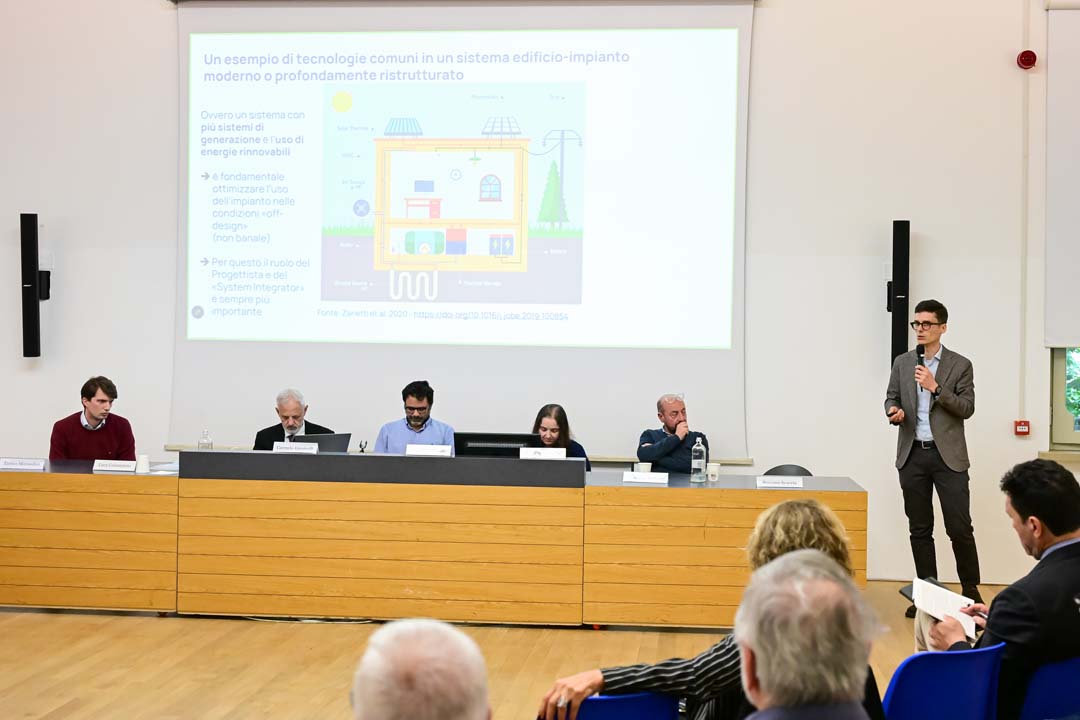
Open Workshop. Science meets Diplomacy: the role of the Universities in improving the science-diplomacy interface
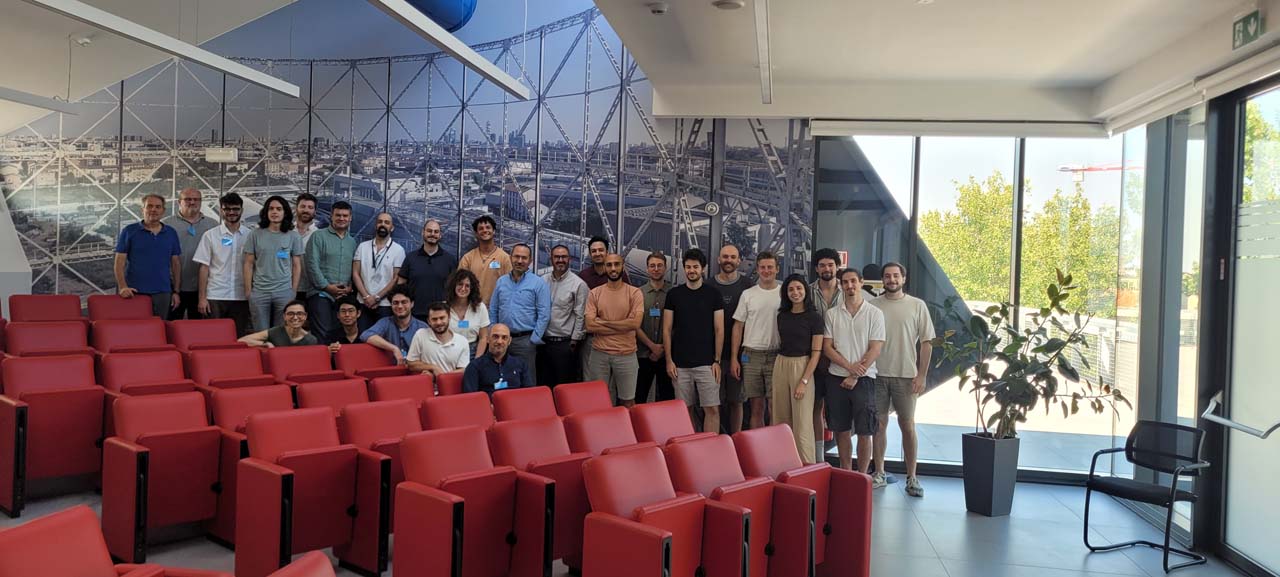
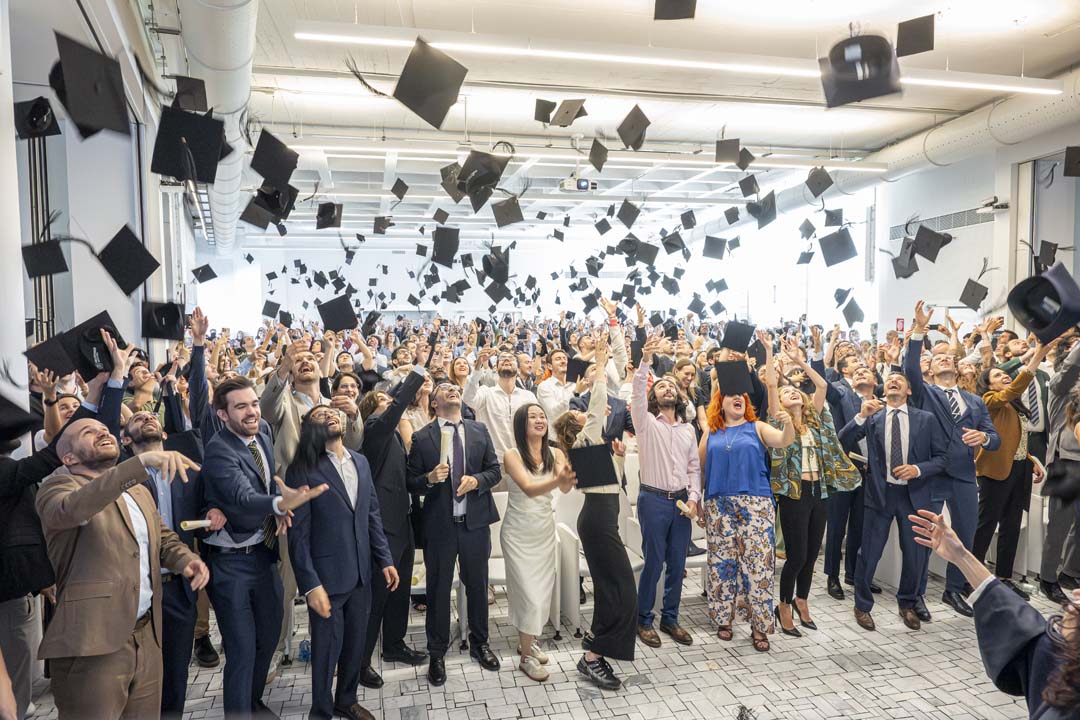
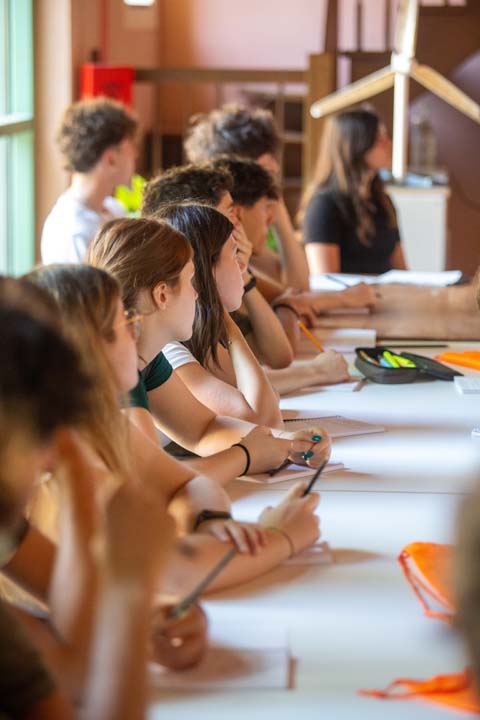
On Friday, March 6, 2026, the Open Workshop “Science Meets Diplomacy: the Role of Universities in Improving the Science–Diplomacy Interface” took place at the EN:lab building of the Department of Energy. The event marked the concluding session of the doctoral course “Science Diplomacy for Researchers – Filling the Gap between Science and Policy within Global Challenges,” organized by the Department of Energy and included in the doctoral educational program of Politecnico di Milano, with the participation of PhD candidates from more than ten countries.
The workshop represented an opportunity to engage the academic and institutional community, providing a space for qualified discussion on the role of universities in strengthening the interface between science and diplomacy. This dialogue took place within an international context characterized by increasingly complex global challenges, ranging from the race for advanced technologies to energy security.
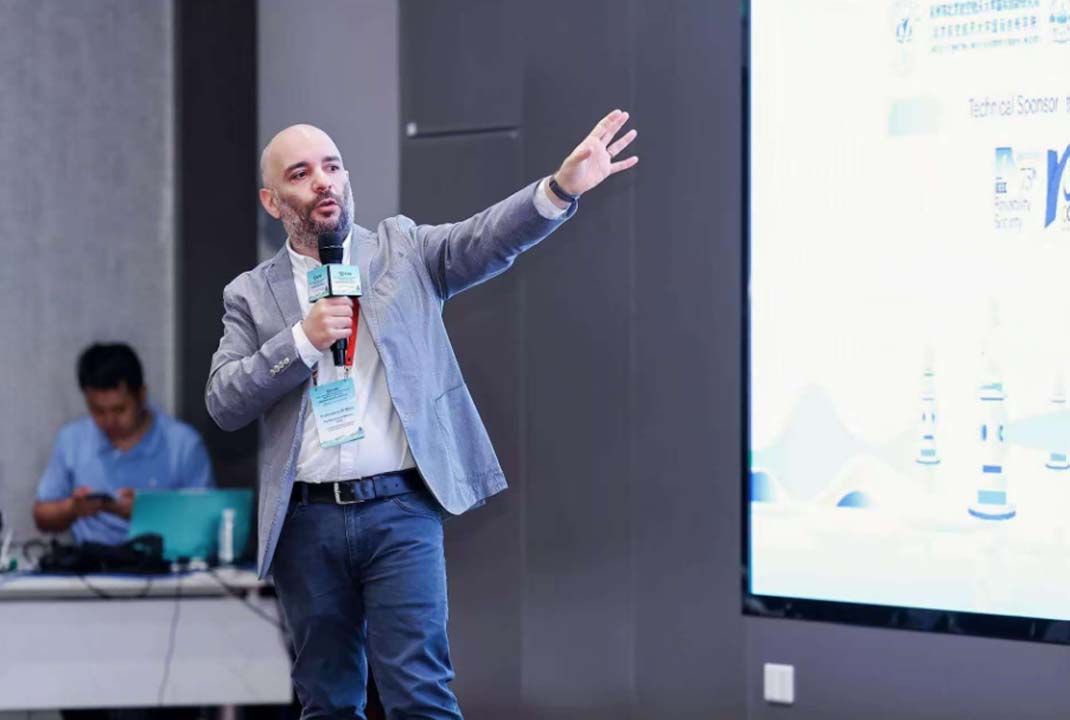
The proceedings opened with institutional remarks by Dr. Vincenzo Lorusso from the Directorate-General for Research and Innovation (DG RTD) of the European Commission. The contributions highlighted the growing importance of science diplomacy as a strategic instrument to support multilateral cooperation and enhance the value of the knowledge capital generated by European universities.
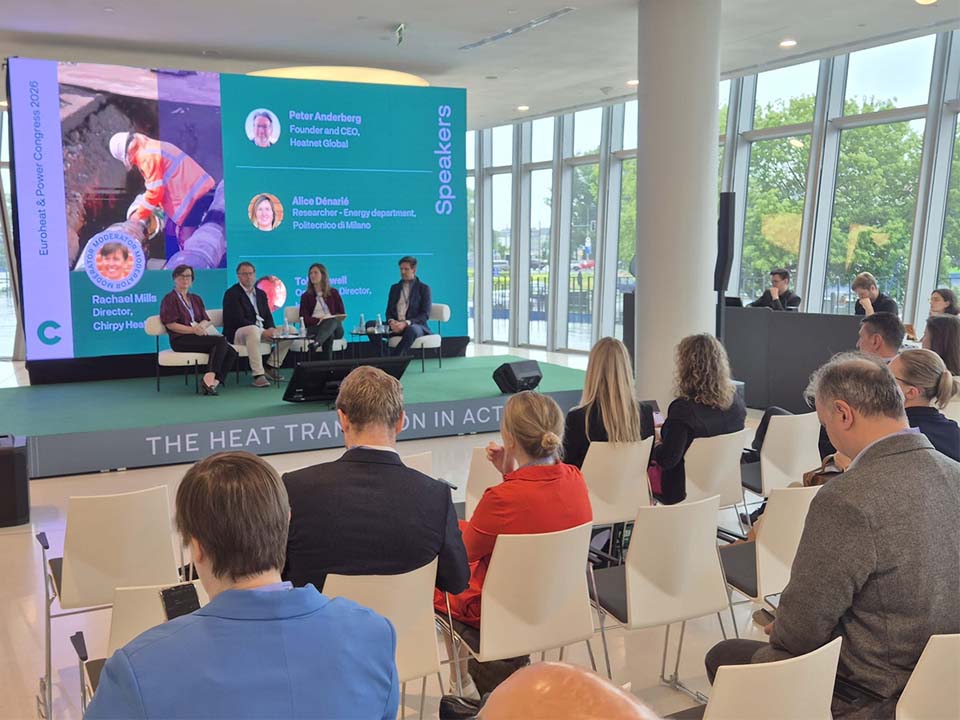
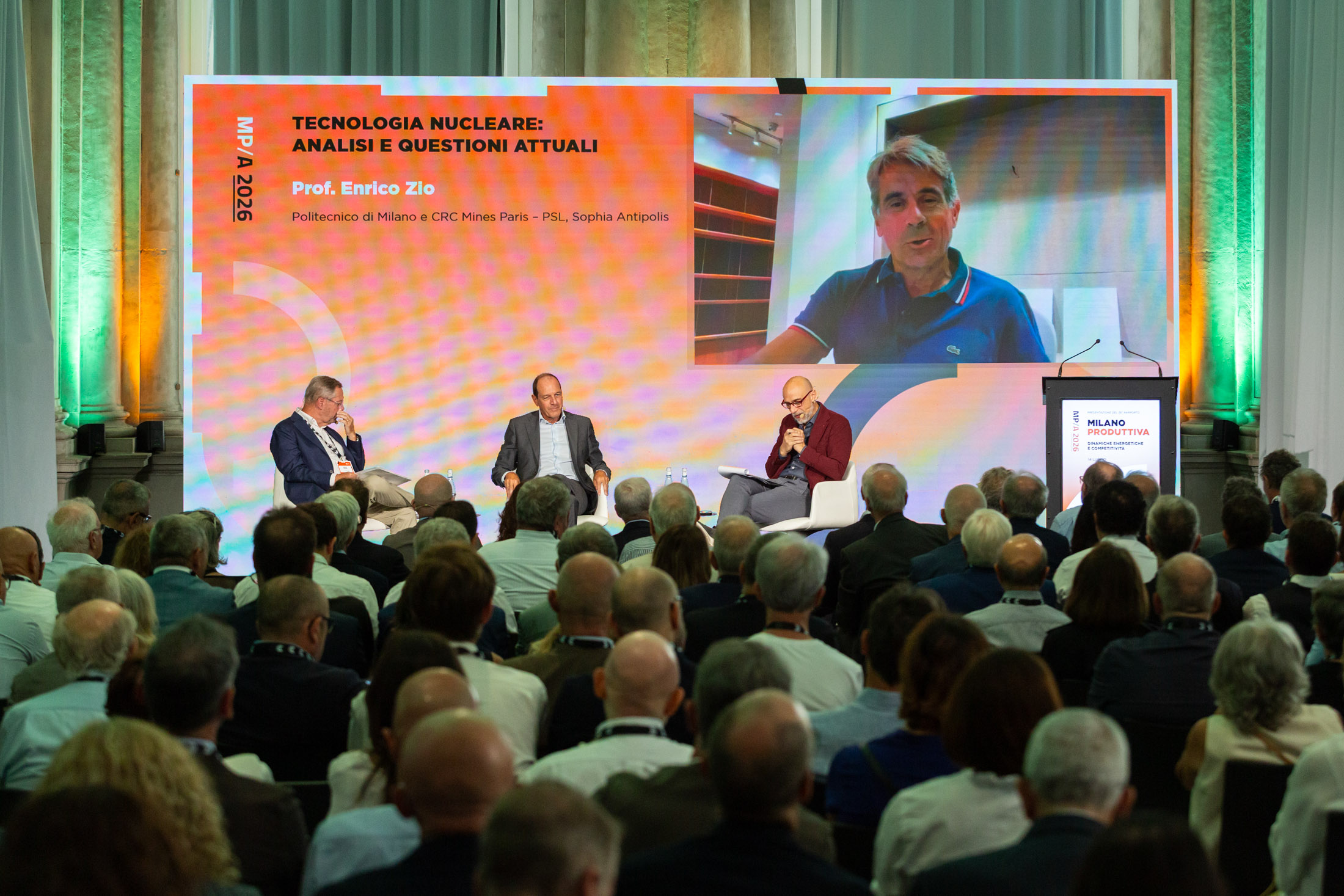
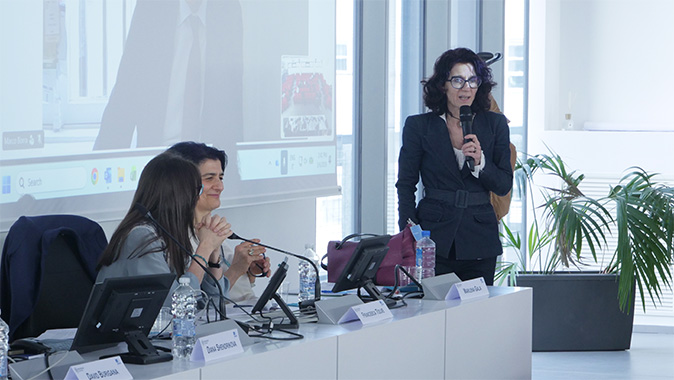
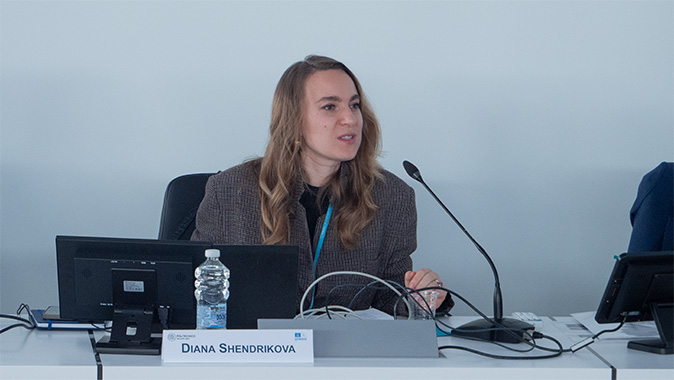
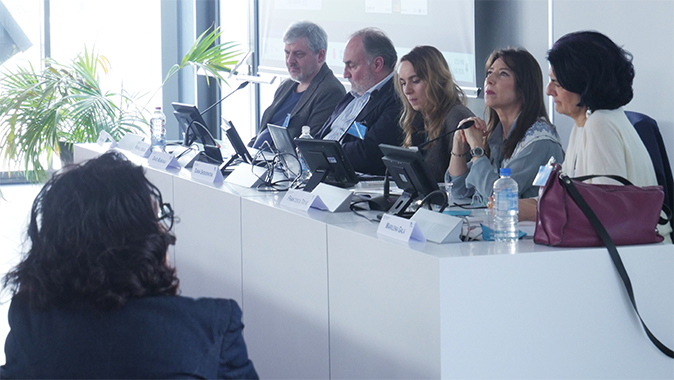
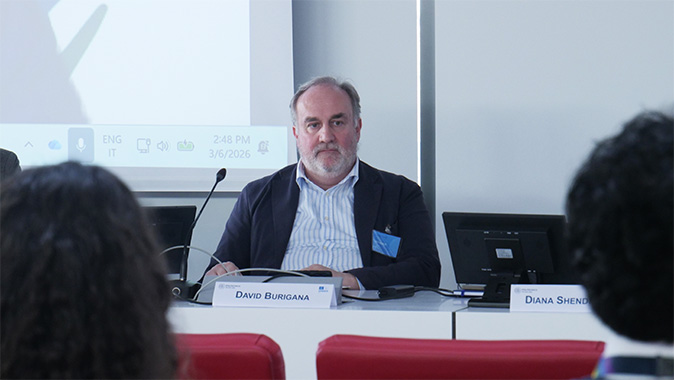
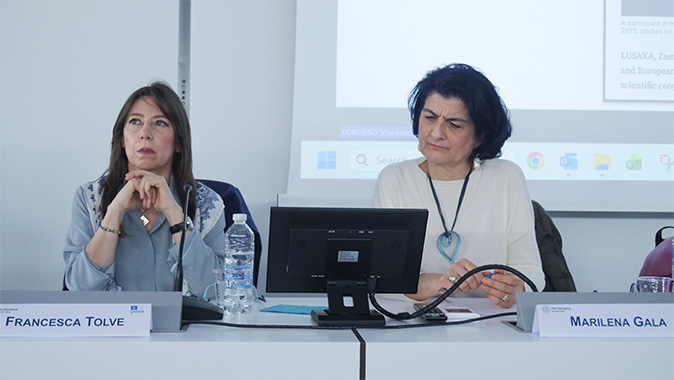
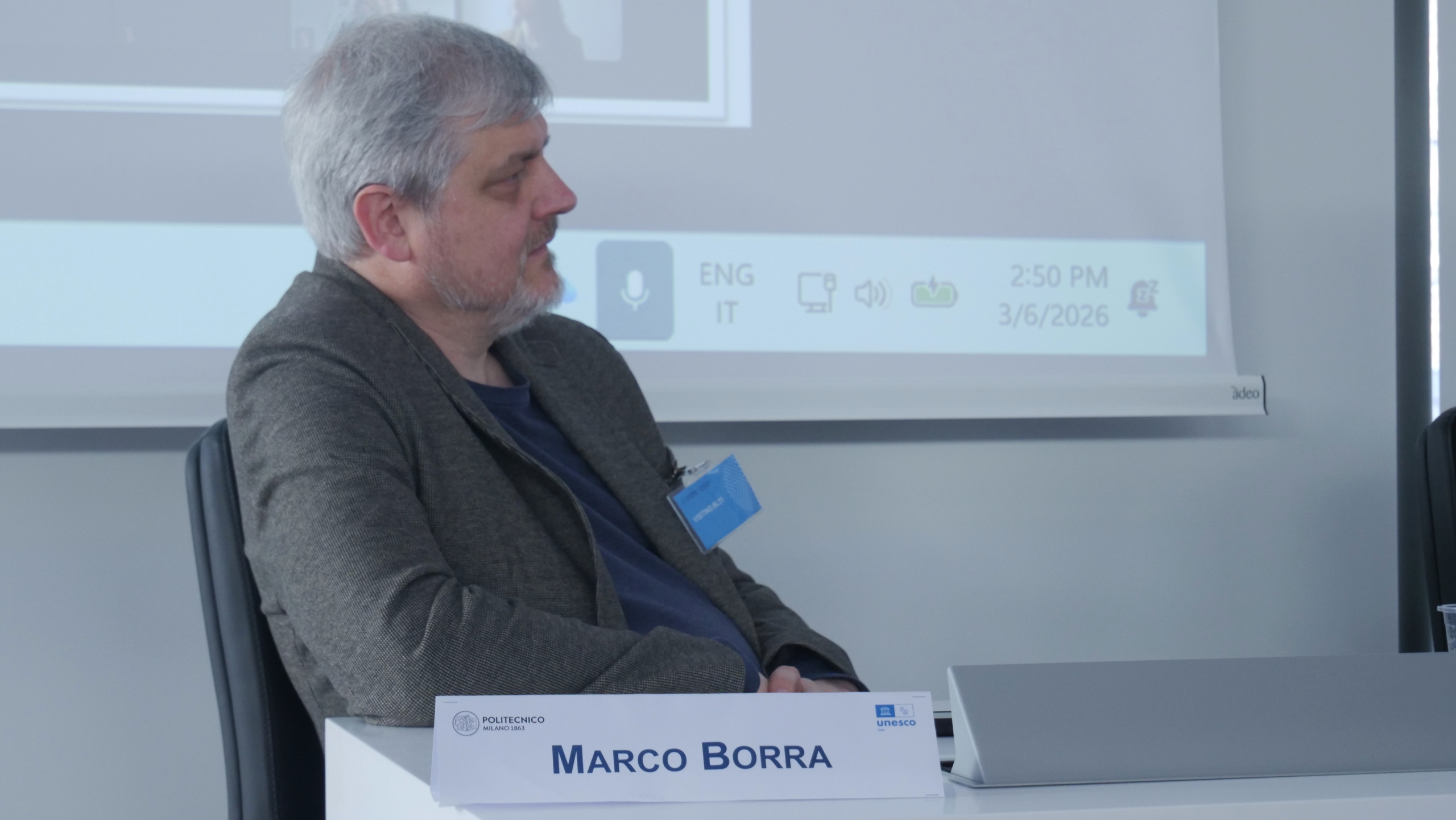
The roundtable, moderated by Diana Shendrikova, brought together scholars and experts from national and international academic and institutional contexts, including representatives David Burigana from the University of Padua, Marilena Gala from Roma Tre University, Pierangelo Masarati from Politecnico di Milano, Francesca Tolve from the CNR (National Research Council of Italy), and Marco Borra, Italy’s scientific attaché in Paris. The discussion highlighted the contribution of universities to European science diplomacy processes, the key role of scientific attachés in international relations, and the potential synergies between research, European institutions, and international cooperation.
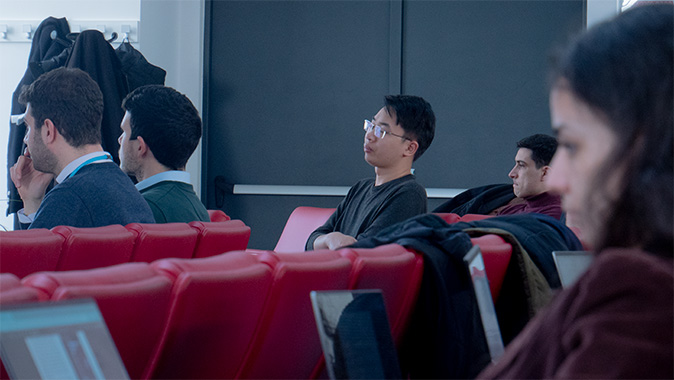
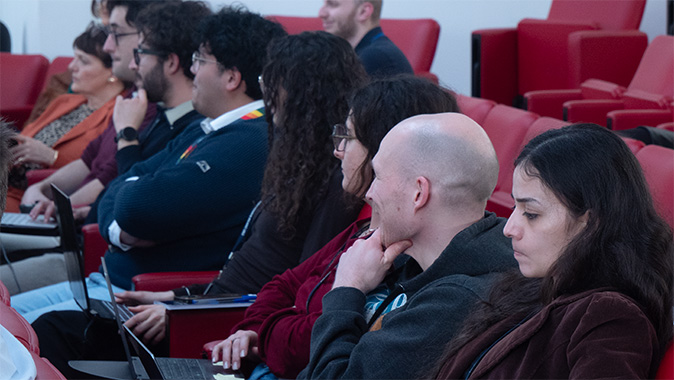
The concluding plenary discussion reaffirmed the need to strengthen tools, competencies, and networks capable of bridging the gap between scientific production and policymaking, further consolidating the role of the Department of Energy as an active actor in the debate on science diplomacy and the governance of major global challenges.
“Universities are increasingly called upon to contribute to the policymaking process with evidence and expertise, becoming an active component of science diplomacy. They are also ideal environments for fostering dialogue between science and diplomacy, also thanks to the scientific method they adopt. This workshop initiated a reflection on this path by bringing together different actors. Politecnico di Milano confirms its commitment in this direction in its Strategic Plan 2026–2028, recognizing science diplomacy as ‘an indispensable strategic lever for its identity and mission.”
Prof. Emanuela Colombo, professor at the Department of Energy of Politecnico di Milano and the Rector’s Delegate for Science Diplomacy.