L’attività di ricerca della sezione riguarda la progettazione dei componenti e la loro integrazione nei sistemi elettrici di potenza. In particolare, sono analizzati la produzione, trasmissione, distribuzione e utilizzazione dell’energia elettrica da un punto di vista sia teorico, sia sperimentale, includendo temi quali le Smart Grids, l’efficienza dei consumi e i sistemi di trasporto elettrici.
Coordinatore
Prof. Roberto Faranda
Telefono: 02 2399 3793
Email: roberto.faranda(at)polimi.it
XX
M €
Fatturato 2022
Staff
Antonino Di Gerlando – scheda persona @POLIMI
Marco Merlo – scheda persona @POLIMI
Roberto Sebastiano Faranda – scheda persona @POLIMI
Sonia Leva – scheda persona @POLIMI
Alcuni progetti selezionati
Parole chiave:
Glide4Heat – Environmentally friendly high-glide refrigerant blends for high-temperature heat pumps and next-generation refrigerators
Environmentally friendly high-glide refrigerant blends for high-temperature heat pumps and next-generation refrigerators (Glide4Heat) Abstract In the HVAC&R sector, a process aimed at reducing greenhouse gas emissions that contribute to climate change has been underway for several years. This process requires the replacement of traditionally used synthetic refrigerants, particularly hydrofluorocarbons (HFCs), with low global warming potential…
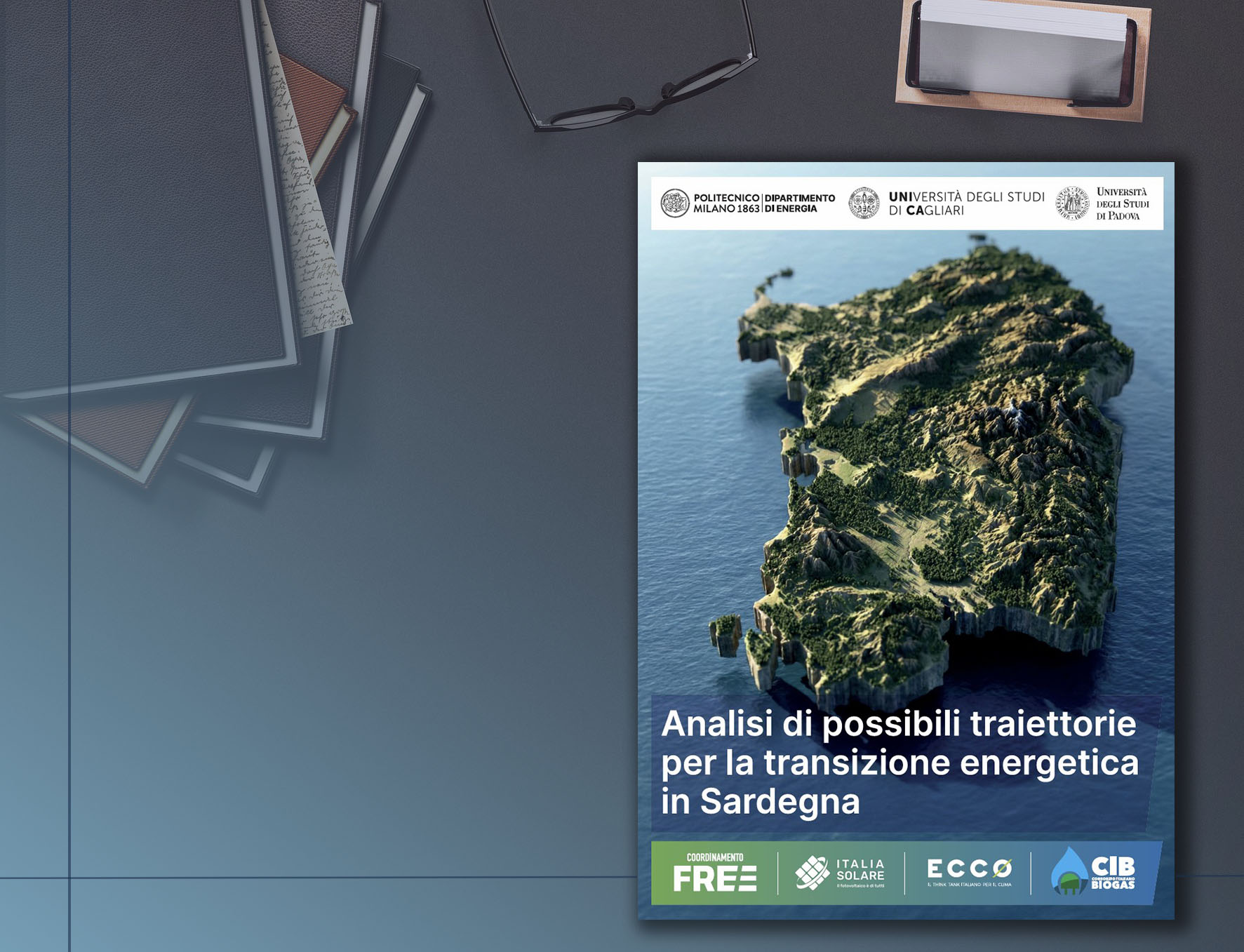
Multi-sectoral Integrated Modeling platform for planning national energy transition pathways (MIMO)
The European strategy for a climate-neutral economy by 2050 mandates an urgent energy transition, requiring member states to adopt sustainable, comprehensive policies. The project “Multi-sectoral Integrated Modeling platform for planning national energy transition pathways (MIMO)” addresses this need by developing an innovative suite of modeling tools—including an energy system model, a microsimulation model, a Stock Flow Consistent (SFC) model, and a SAM-based Dynamic Computable General Equilibrium (CGE) model. By integrating engineering and economic approaches, MIMO provides a cohesive framework that considers feedback effects between energy and socio-economic systems. These interconnected models assess feasible energy technology mixes, household and industrial energy demand, and both long-term structural and short-term policy impacts, offering policymakers robust support for designing effective transition strategies.
Parole chiave:
Parole chiave:
Alcuni progetti selezionati
Parole chiave:
Glide4Heat – Environmentally friendly high-glide refrigerant blends for high-temperature heat pumps and next-generation refrigerators
Environmentally friendly high-glide refrigerant blends for high-temperature heat pumps and next-generation refrigerators (Glide4Heat) Abstract In the HVAC&R sector, a process aimed at reducing greenhouse gas emissions that contribute to climate change has been underway for several years. This process requires the replacement of traditionally used synthetic refrigerants, particularly hydrofluorocarbons (HFCs), with low global warming potential…
Multi-sectoral Integrated Modeling platform for planning national energy transition pathways (MIMO)
The European strategy for a climate-neutral economy by 2050 mandates an urgent energy transition, requiring member states to adopt sustainable, comprehensive policies. The project “Multi-sectoral Integrated Modeling platform for planning national energy transition pathways (MIMO)” addresses this need by developing an innovative suite of modeling tools—including an energy system model, a microsimulation model, a Stock Flow Consistent (SFC) model, and a SAM-based Dynamic Computable General Equilibrium (CGE) model. By integrating engineering and economic approaches, MIMO provides a cohesive framework that considers feedback effects between energy and socio-economic systems. These interconnected models assess feasible energy technology mixes, household and industrial energy demand, and both long-term structural and short-term policy impacts, offering policymakers robust support for designing effective transition strategies.
Parole chiave:
Parole chiave: