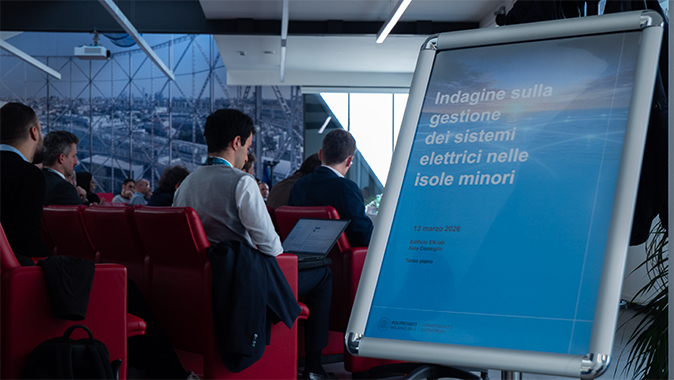
Management of Electrical Systems in the Smaller Islands: the Department of Energy workshop presents results, critical issues, and future perspectives of the Technical Working Group
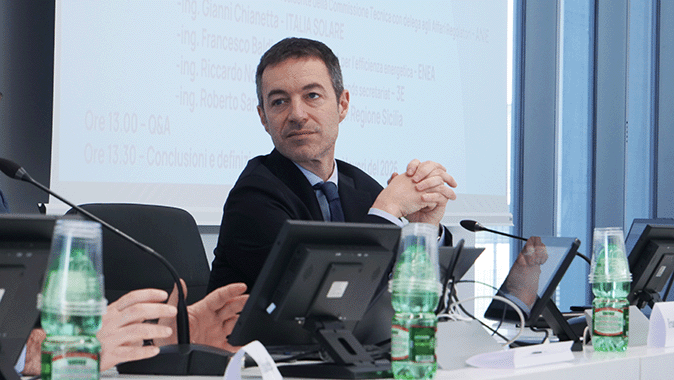
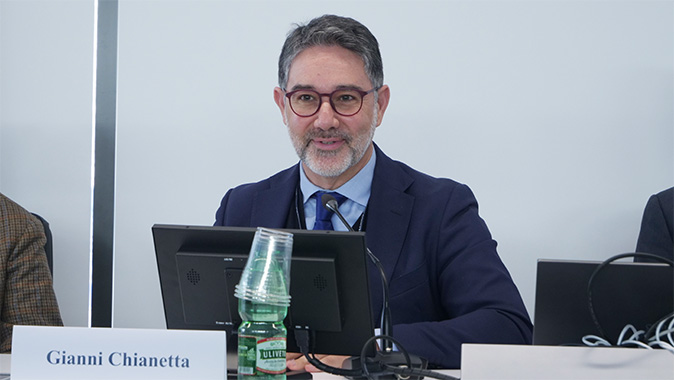
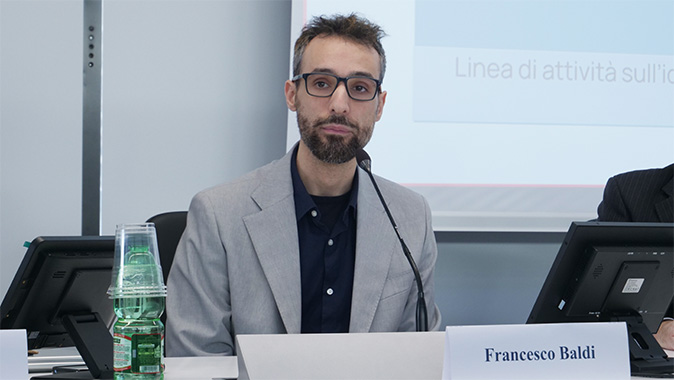
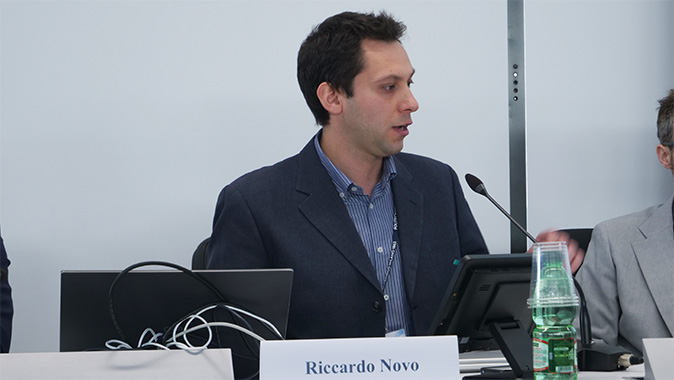
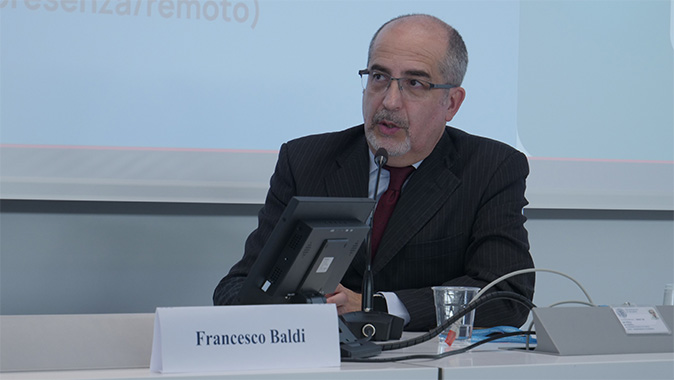
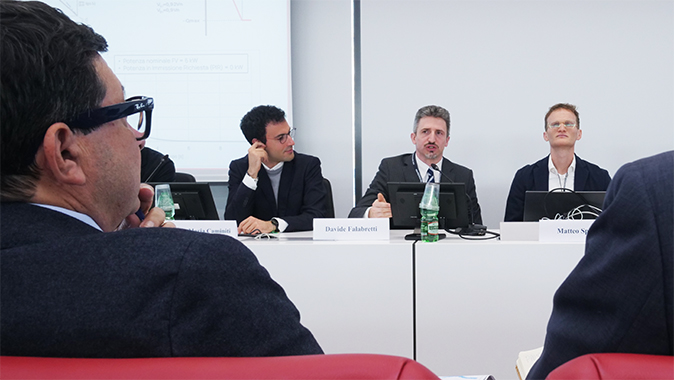
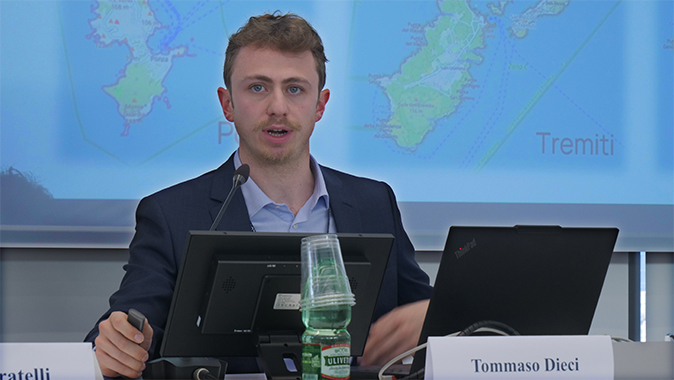
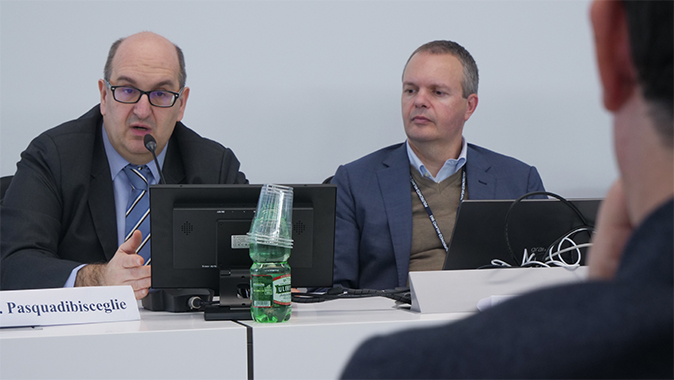
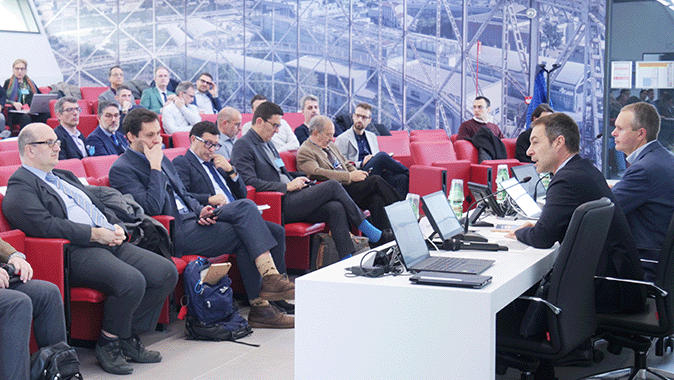
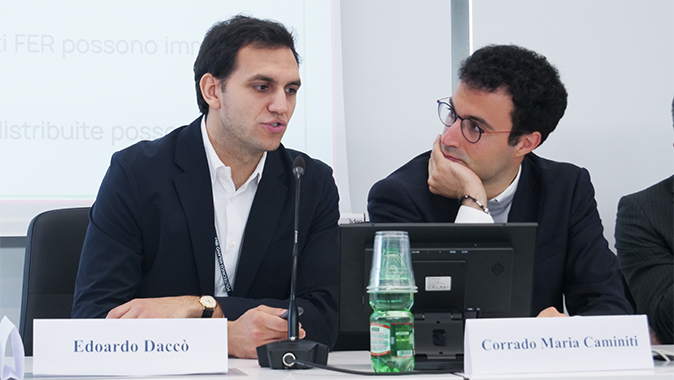
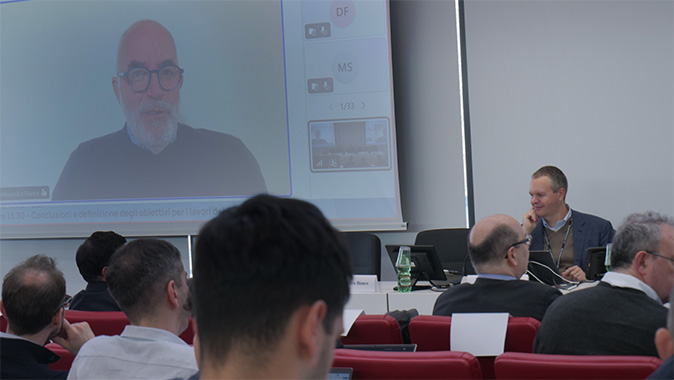
The day opened with institutional greetings from Prof. Francesco Grimaccia and an introduction by Prof. Marco Merlo, followed by a contribution from Alessandro Bianco for UNIEM. The workshop then featured a presentation by Marco Pasquadibisceglie (ARERA) on the regulatory and energy framework, the presentation of survey results by the Department’s research group, and a roundtable discussion with Ettore De Bernardinis (CT316 CEI), Fabio Zanellini (ANIE), Gianni Chianetta (Italia Solare), Francesco Baldi (ENEA), Riccardo Novo (Clean Energy for EU Islands Secretariat – 3E), and Roberto Sannasardo.
A key takeaway from the workshop was the strategic value of Smaller Islands as a real-world laboratory for studying the integration of renewable energy sources into isolated grids, which are characterized by low inertia, high demand variability, and limited balancing capabilities. The 2025 report clarifies that the aim of the study is to build an overall picture of the status of Italian island electrical systems, highlighting the critical issues linked to the increasing penetration of renewable energy sources and laying the groundwork for further technical and regulatory developments in 2026.
One of the first findings concerns the current energy status of the islands involved in the study, which confirms highly heterogeneous scenarios but a common trend: a significant increase in energy demand during the summer months, driven by seasonal tourism.
Among the case studies discussed, Favignana clearly shows how the growth of photovoltaic generation can shift minimum residual load conditions from nighttime hours to the central hours of spring days, producing the typical “duck curve” and the consequent reduction in operating diesel units. Lipari, on the other hand, highlights how, as the contribution of rotating units decreases, frequency oscillations increase and system control margins are reduced. Pantelleria—already the most advanced case in terms of renewables and storage—demonstrates how coordination between diesel units and BESS is already an essential requirement.
Another particularly relevant element emerging from the slides and the report concerns the installable rooftop photovoltaic potential. Through GIS analyses and irradiation models, the research group estimated a potential of approximately 27.25 MW in Lipari, 23.49 MW in Pantelleria, and 5.97 MW in Favignana—figures that are highly significant when compared to the current loads of the islands. This confirms that the issue is not only about promoting new renewable generation, but above all about creating the technical, infrastructural, and regulatory conditions needed to make it effectively manageable.
From a technical standpoint, the workshop highlighted that the increasing penetration of renewable energy sources makes the management of active and reactive power balance increasingly delicate. Simulations developed for the case of Lipari show that reduced inertia amplifies frequency oscillations, while the integration of storage systems could significantly mitigate them, although it does not represent a complete solution on its own. At the same time, in low- and medium-voltage networks, the growth of distributed generation introduces new voltage regulation challenges, requiring more advanced monitoring systems, distributed control architectures, and closer interaction with inverters.
Among the most discussed macro-topics was that of electrical protection systems, which are set to become increasingly central with the growing penetration of inverter-based resources. Preliminary analyses indicate that, in the short term, adjustments to existing protection schemes may still ensure proper system operation; however, in the medium to long term, more substantial interventions will be required—particularly in low-voltage networks and in understanding fault behavior of grid-following and grid-forming technologies.
Significant attention was also devoted to the regulatory framework. As already noted, the report highlights that the main challenge lies in the overall management of the energy balance in the presence of high renewable generation and limited demand. In this context, flexibility tools such as Flexible Connection Agreements could represent a possible solution; however, their implementation is not immediate, and the most practical option at present is the activation of pilot initiatives under ARERA Resolution 352/2021.
The final roundtable broadened the discussion to include grid monitoring, SCADA systems, energy management systems, telecommunications, control architectures, and industrial and regulatory perspectives. This confirmed the need for an integrated approach involving universities, industry players, regulatory bodies, and system operators. One of the key outcomes of the workshop was the convergence on several priorities for 2026: the development of advanced monitoring and control architectures, the analysis of new smart equipment and storage systems, further investigation into protection schemes, and the definition of a regulatory framework better suited to managing renewable generation in islanded electrical networks.
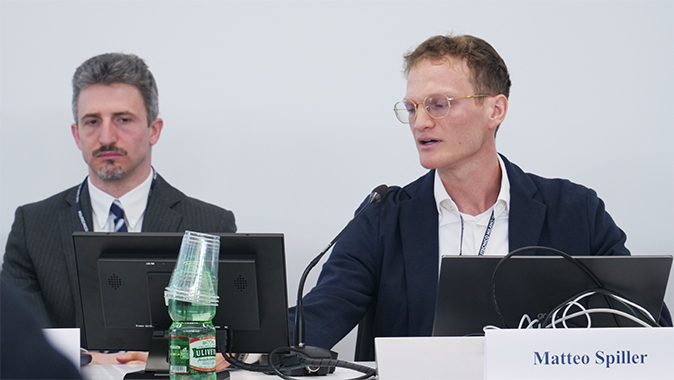

“Smaller Islands represent a particularly challenging yet highly significant context for understanding how to manage the energy transition in increasingly renewable-based electrical systems. The work carried out during this first year has enabled us to identify very concrete technical and regulatory critical issues and to define several priorities for further analysis in 2026, with the aim of contributing to realistic, shared, and transferable solutions.”
Marco Merlo, Professor at the Department of Energy (Politecnico di Milano) and Scientific Coordinator of the Technical Working Group
The workshop video is available on YouTube: