Smart Buildings and Decarbonization Pathways: RELab’s Contribution to the General Assembly of Engineering Professions
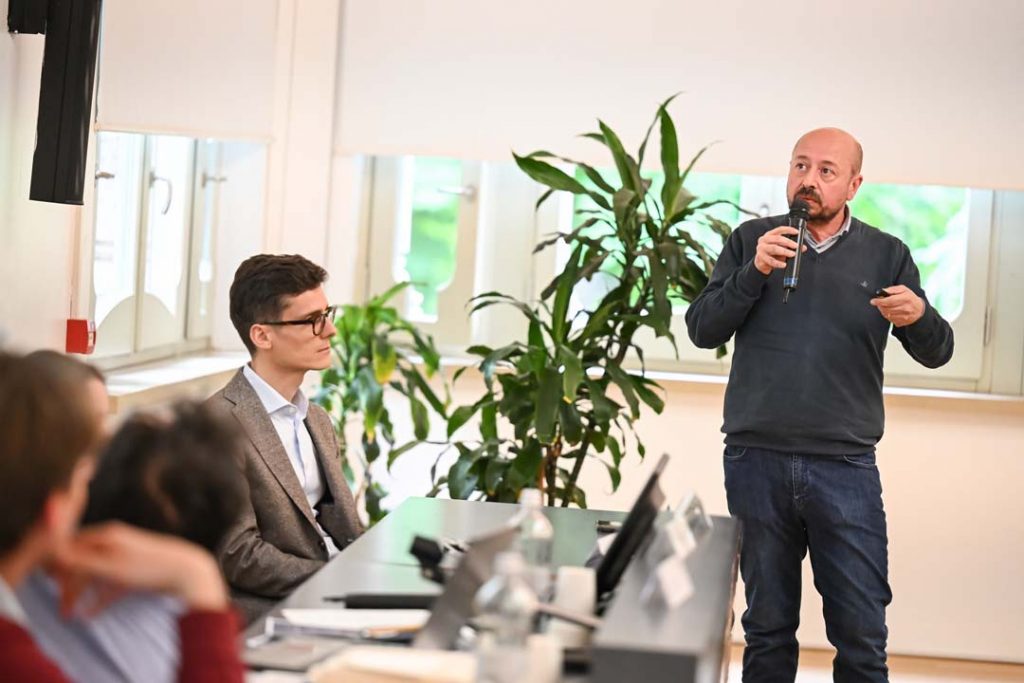
Rossano Scoccia e Giuseppe Muliere hanno presentato due interventi dedicati all'evoluzione del settore civile europeo e alle tecnologie per edifici più efficienti, flessibili e sostenibili.
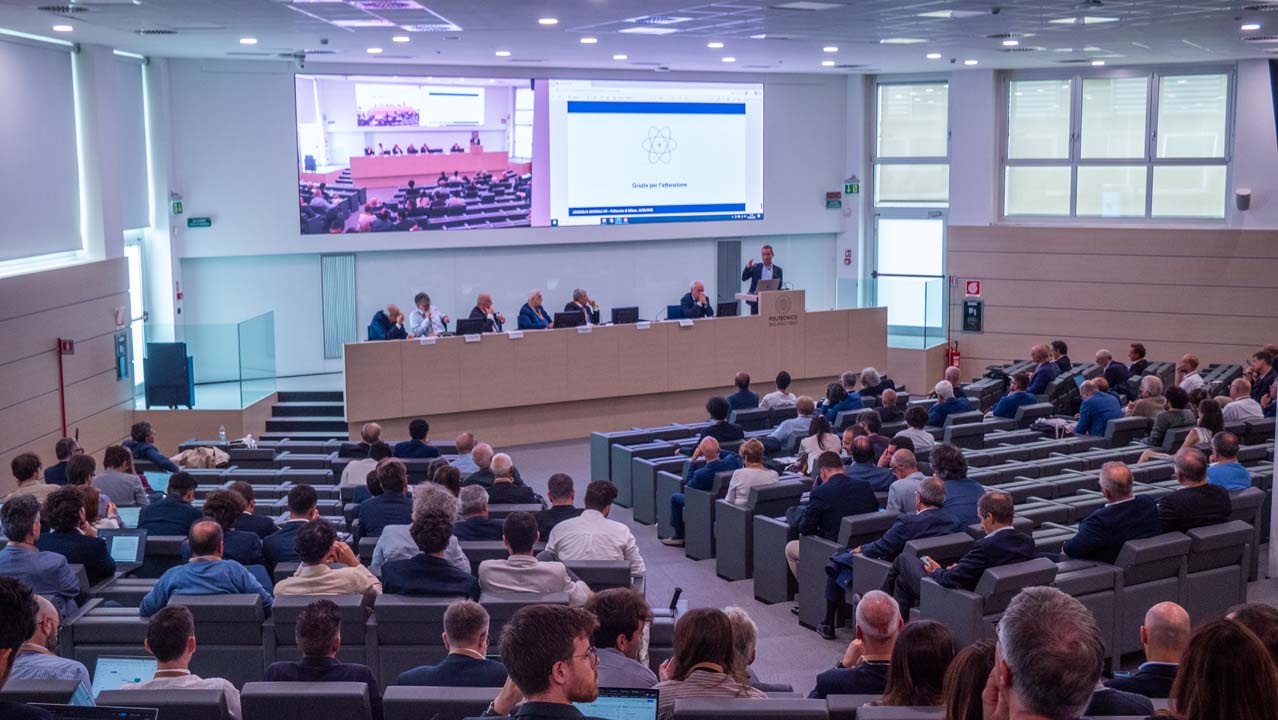
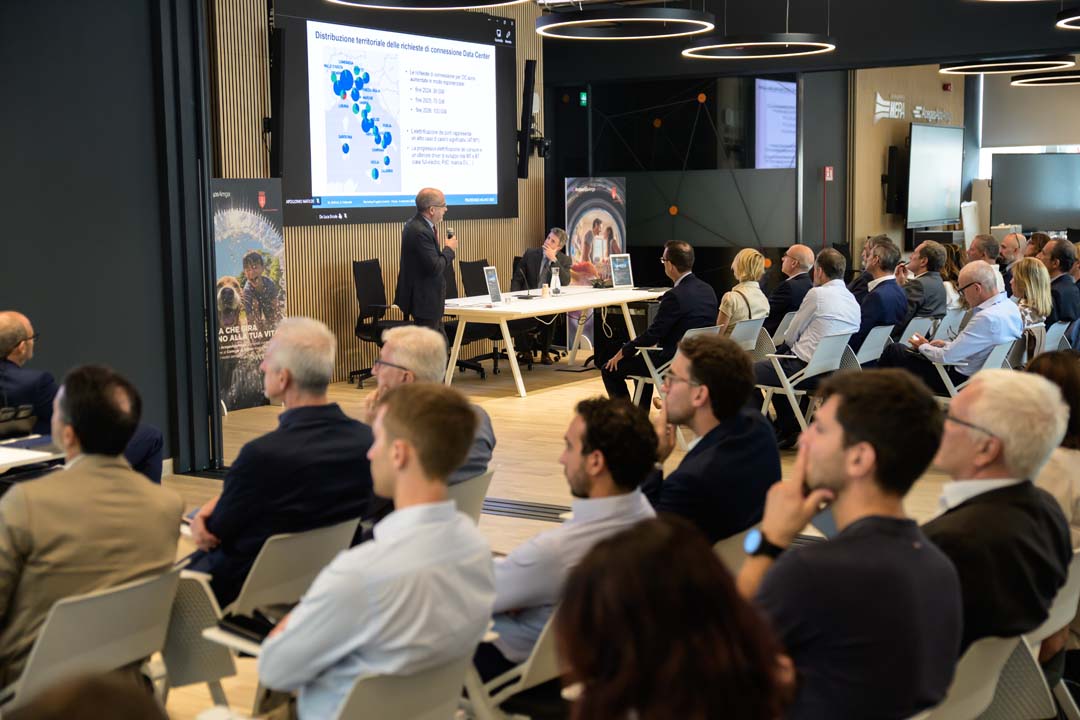
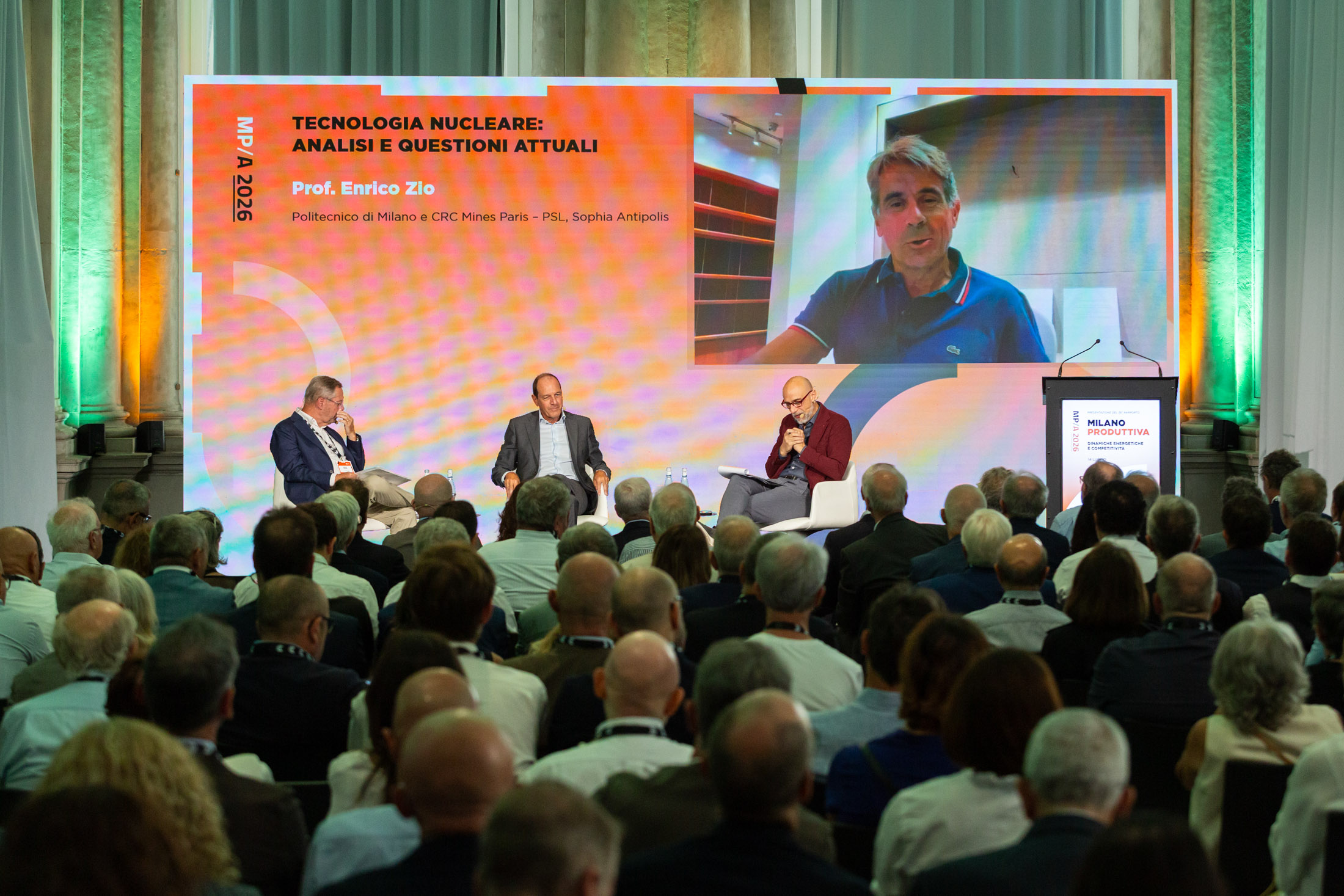
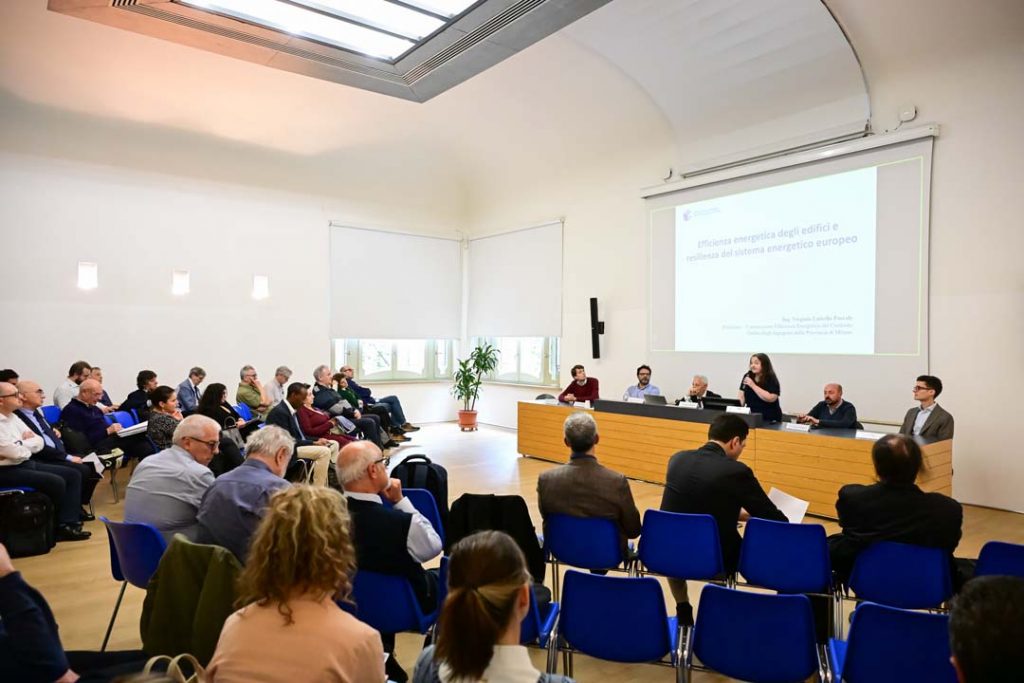
The 2026 General Assembly of the Engineering Profession, promoted by the Order of Engineers of the Province of Milan and held on May 13–14 at the Civic Aquarium of Milan, represented an important opportunity for discussion on the challenges facing the engineering profession and the energy system in the coming decades.
In this context, the RELab – Renewable Energy Laboratory at Politecnico di Milano contributed to the debate with two presentations focused on the energy transition of the civil sector, addressing topics ranging from building digitalization to the planning of decarbonization pathways at national and European scale.
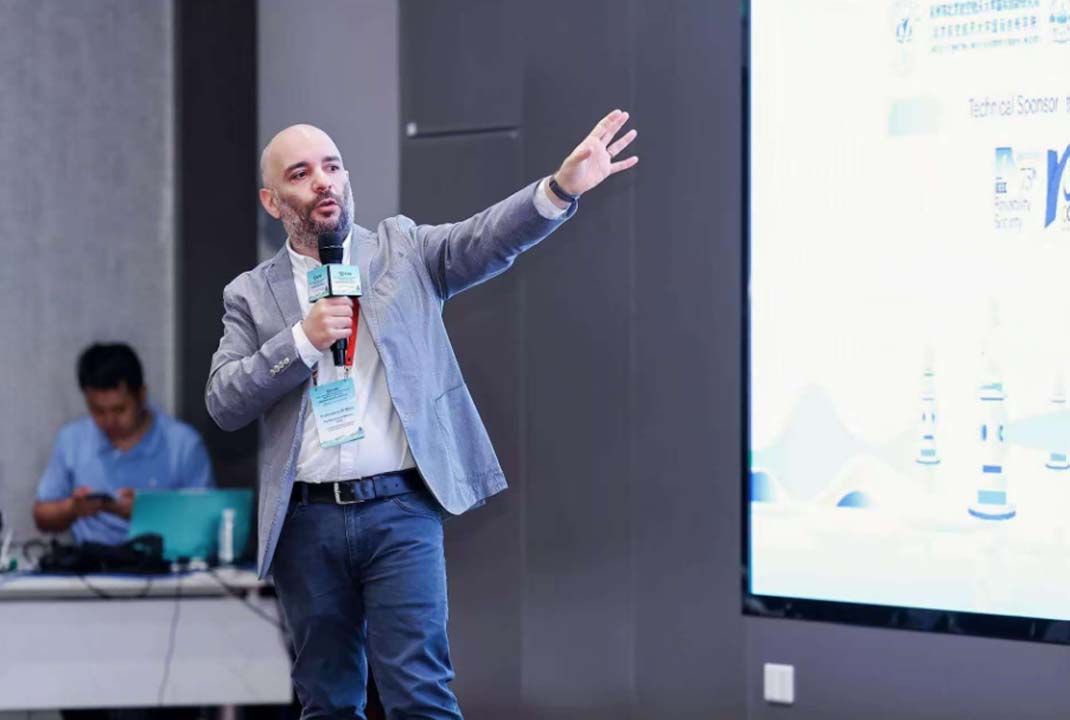
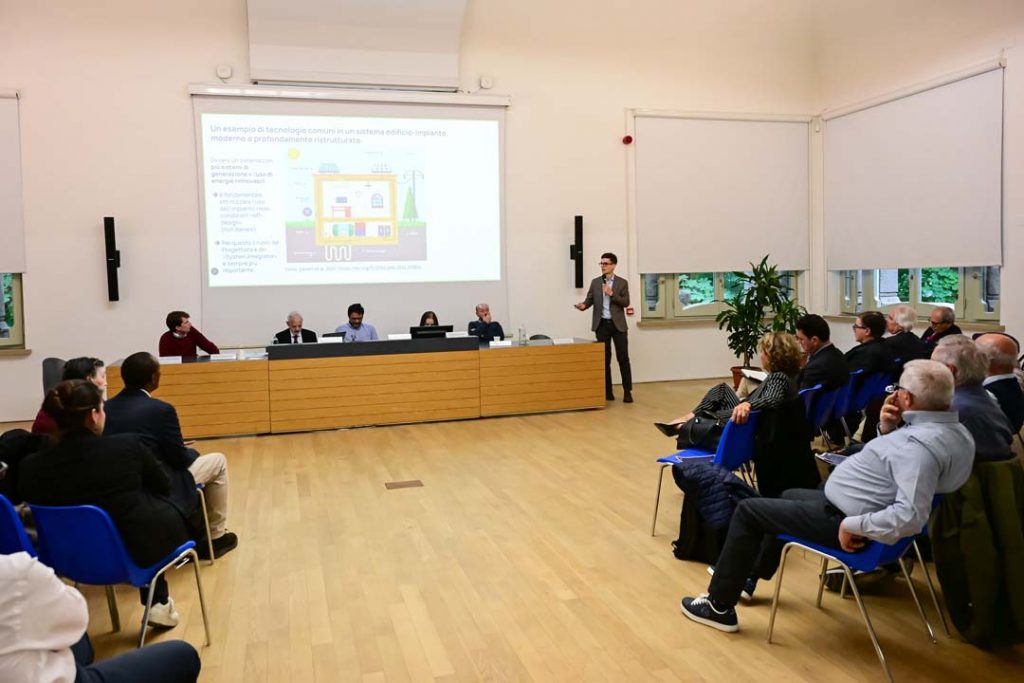
Rossano Scoccia, Associate Professor at the Department of Energy, delivered the presentation “Building automation and smart building systems: a key lever for more efficient, healthy, and flexible buildings.”
The presentation explored the role of Building Automation and Control Systems (BACS), the Internet of Things (IoT), the Smart Readiness Indicator (SRI), and advanced approaches such as Model Predictive Control (MPC) within the framework of the new European EPBD 2024 Directive. It highlighted how digitalization acts as an enabling factor to improve building energy efficiency, indoor environmental quality, occupant comfort, and the ability to integrate with energy grids, renewable sources, and storage systems.
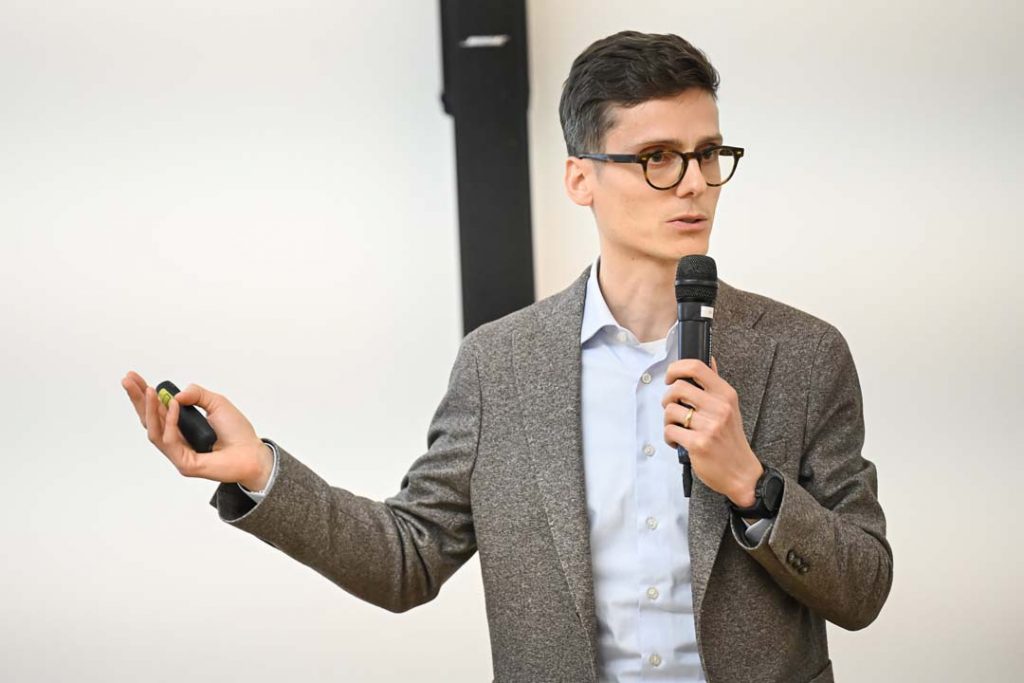
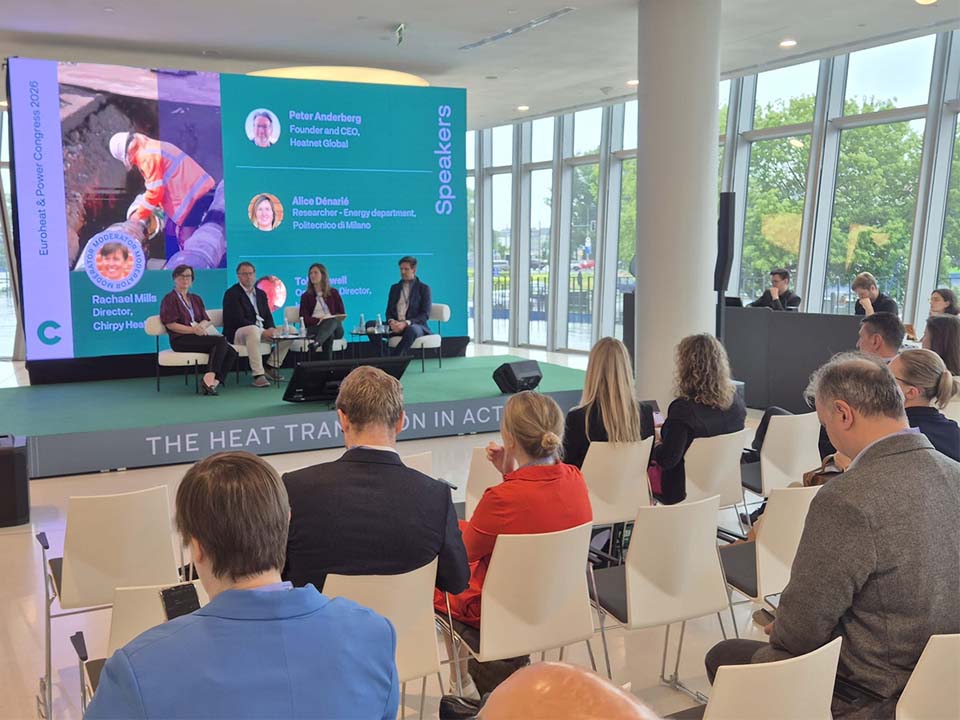
Giuseppe Muliere, a member of the RELab group at the Department of Energy, presented the contribution “Scenario analysis of the European civil sector energy system: comparison of decarbonization policies and implications for the Italian case.”
Using the ACE model, the presentation illustrated possible pathways for the evolution of the civil heating sector in Europe and Italy up to 2050, analyzing the impact of decarbonization policies and recent European directives. The results show how different strategies—based on electrification, energy retrofitting, district heating, and hybrid systems—can contribute to emissions reductions depending on the territorial, climatic, and infrastructural characteristics of the various contexts.
Both presentations highlighted the central role of research and energy modelling in supporting increasingly complex technological and policy decisions, contributing to the definition of effective pathways toward a zero-emission building stock.