Enrico Zio in Chile for a series of lectures and meetings on the reliability assessment of industrial systems and the management of critical infrastructure resilience

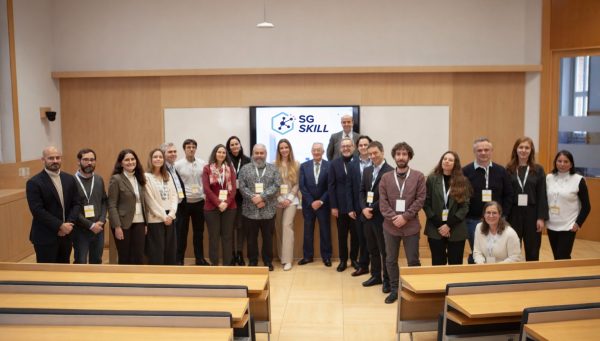
Professor Enrico Zio from the Department of Energy at the Politecnico di Milano visited Chile, where he delivered lectures, meetings, and a lectio magistralis on the reliability assessment of industrial systems and the management of critical infrastructure resilience, further strengthening scientific collaboration with PUCV.

Challenges of the energy transition and lessons from blackouts: two Terna seminars within the course on Electric Power Systems

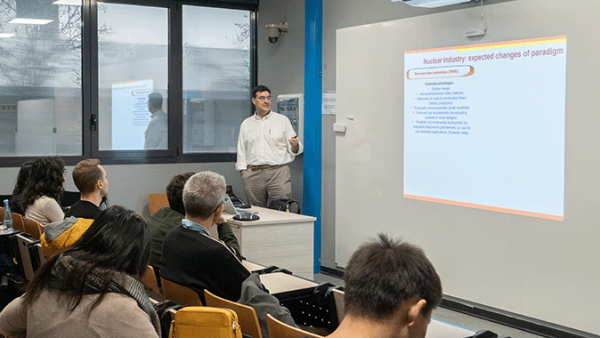
On 21 and 25 November, as part of the “Electric Power Systems” course module in the Master’s Degree Programme in Electrical Engineering, two in-depth seminars were held. The events were organized by Professor Alberto Berizzi, faculty member of the Department of Energy and course instructor of the course module, in collaboration with Terna Spa, the Transmission System Operator of the Italian electricity grid.
The initiative, strongly supported by Professor Berizzi, offered students a unique opportunity to engage with experts from one of the leading TSOs at the international level.

Training of Trainers (TOT) Week, un percorso dedicato allo sviluppo delle competenze accademiche del personale SUTech

Energy, educational and digital innovation: Politecnico di Milano at SUTech in Cairo

A delegation from the Politecnico di Milano—composed of professors from the Department of Energy, ABC, and the METID center—spent an intensive week of academic activities at SUTech in Cairo. The mission, led by Professor Emanuela Colombo and Professor Riccardo Mereu, included training, institutional meetings, capacity building, and participation in a panel on energy and artificial intelligence. The visit also featured the inauguration of SUTech’s Energy Lab, strengthening collaboration between the university and industrial partners in the energy sector.

Sustainable mobility and clean energy: children learn with the professors of the Politecnico di Milano.

The children in the final year of the IMIBERG Preschool in Bergamo took part in a lesson by the Politecnico di Milano dedicated to sustainability and sustainable mobility. Through a short film, the reading of a book, and hands-on activities led by Professor Michela Longo and her team, they learned how electric cars work and imagined the mobility of the future. The day ended with a creative workshop and the delivery of an illustrated book and a certificate, with the aim of raising their awareness from an early age about the responsible use of resources.

First Edition of the Second-Level Specializing Master “PoliTech Lab: Innovation in Electrical Systems for Energy” Launched, Promoted by Terna Spa

On 24 November, the inauguration ceremony of the first edition of the second-level Specializing Master “PoliTech Lab: Innovation in Electrical Systems for Energy” — promoted by Terna together with the Polytechnics of Milan, Bari, and Turin — was held at Terna’s headquarters in Rome.
This is the first project developed within the High-Competence Polytechnic Network, established last April to strengthen collaboration between Terna and the three universities.

The SHARE_Africa project at the Department of Energy: intensive training on energy and sustainability to strengthen collaboration between Italian and African universities.

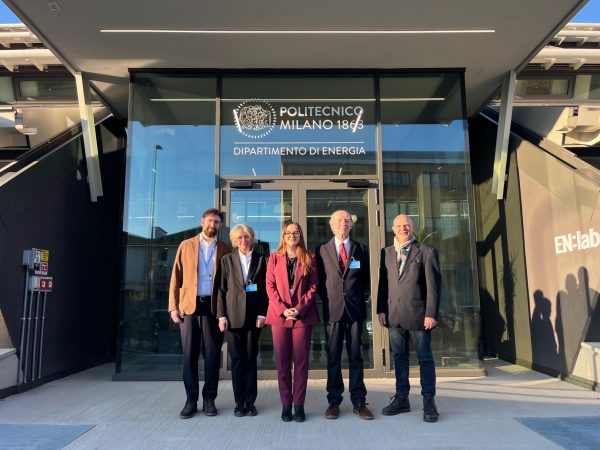
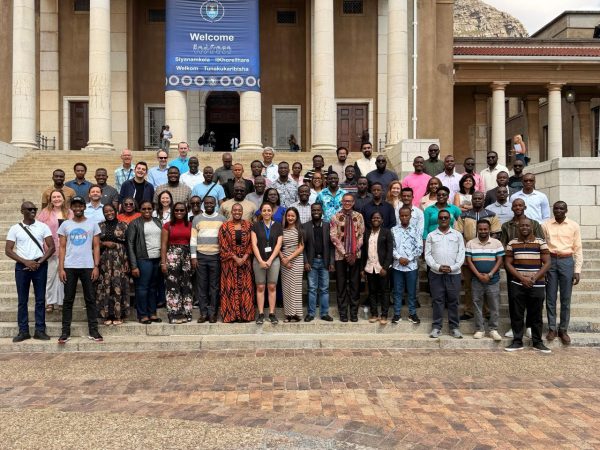
From 5 to 21 November 2025, the three on-campus weeks of the Blended Executive Programme (BEP) Strategic Energy Planning and Industrial Ecology for Local Sustainable and Just Development in an Era of Geopolitical Uncertainties were held at the EN:lab of the Politecnico di Milano. The training programme, which began online in October 2025 and will conclude in February 2026, is is a TNE (transnational education initiative) and it is part of the SHARE_Africa initiative, launched by the IHEA Foundation (Italian Higher Education with Africa) and supported by the Italian Ministry of University and Research (MUR) through the National Recovery and Resilience Plan (PNRR). It is funded by the European Union-Next Generation EU.